The importance of freshness in coffee beans
Imagine two cups of coffee: one made from beans freshly roasted one week ago, and another made from six-month-old beans. Most coffee lovers would immediately choose the former, but why?
Simply put, the freshness of the beans impacts coffee’s flavour and aroma. We can break down this impact into three distinct elements:
1. Flavour retention – These unique profiles, ranging from fruity and floral notes to rich, chocolatey undertones, peak shortly after roasting.
2. Aroma intensity – A single roast balances some 30 aromatic compounds, which develop differently over time and alter the sensory profile.
3. Acidity and brightness – Fresh beans should exhibit a crisp acidity that adds depth and character to your brew. These, too, diminish as the beans age.
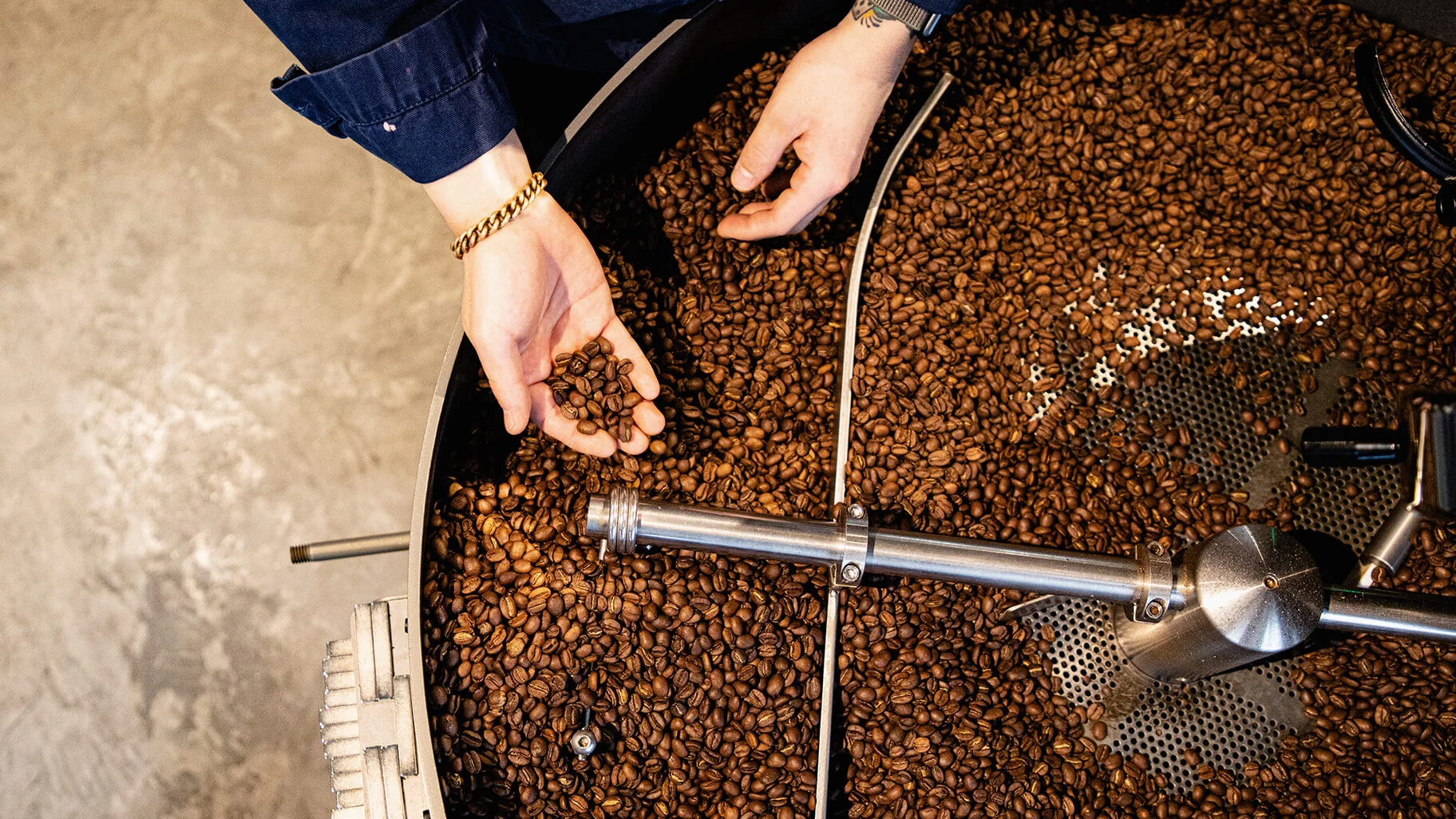
The roasting process initiates the complex series of chemical reactions that affect each of these factors. The longer past the roast date, the less favourable each of these will be. Any coffee enthusiast will tell you that freshly roasted coffee beans offer a noticeably better flavour compared to stale beans.
To get the freshest beans, buy yours from the local coffee roaster and look for the “roasted on” date on the coffee bag. Coffee beans are best about 5 days after roasting, however quality will diminish after about thirty days.
The role of packaging in preserving freshness
Certain environmental elements speed up the oxidation process that saps the freshness of coffee beans. These elements include:
● Moisture
● Light
● Heat
● Oxygen
Packaging protects beans from these elements. An airtight, vacuum-sealed, or nitrogen-flushed environment is ideal, as these factors preserve the freshness of coffee beans for as long as possible.
The science behind coffee bean freshness
Coffee is just as much science as art; understanding this science can help you discern the optimal timing for brewing quality coffee.
Here's a closer look at some key scientific aspects of freshly roasted beans.
Understanding the degassing process
When coffee beans are roasted, the heat triggers chemical reactions inside the beans, one of which produces carbon dioxide (CO2). After roasting, the beans begin to release this gas in a process known as degassing or resting. The intensity of gas release is most pronounced in the initial days following roasting and continues (albeit at a diminishing rate) for several weeks.
The optimal time to brew freshly roasted beans
This leads to the central question: When is the best time to brew? Generally, you should brew as close to the roast date as possible but after degassing has peaked. This means anywhere from 5 to 30 days post-roast, after the initial burst of degassing has settled, while the fresh coffee beans still retain their peak flavours and aromas.
How to maintain the freshness of your coffee beans
Knowing how to keep coffee beans fresh will ensure they last as long as possible, up to those 30 days. Here are a few tips and best practices:
Proper Storage Techniques for Maximum Freshness
It all begins with proper coffee storage. Three tips can help preserve freshness:
● Store coffee beans in a cool, dark place, away from moisture.
● Use airtight containers to minimise oxygen exposure.
● Avoid storing beans in the refrigerator or freezer, as this can introduce moisture and unwanted flavours.
Best Practices for Grinding and Brewing Fresh Beans
The freshness of your coffee also depends on how it’s prepared:
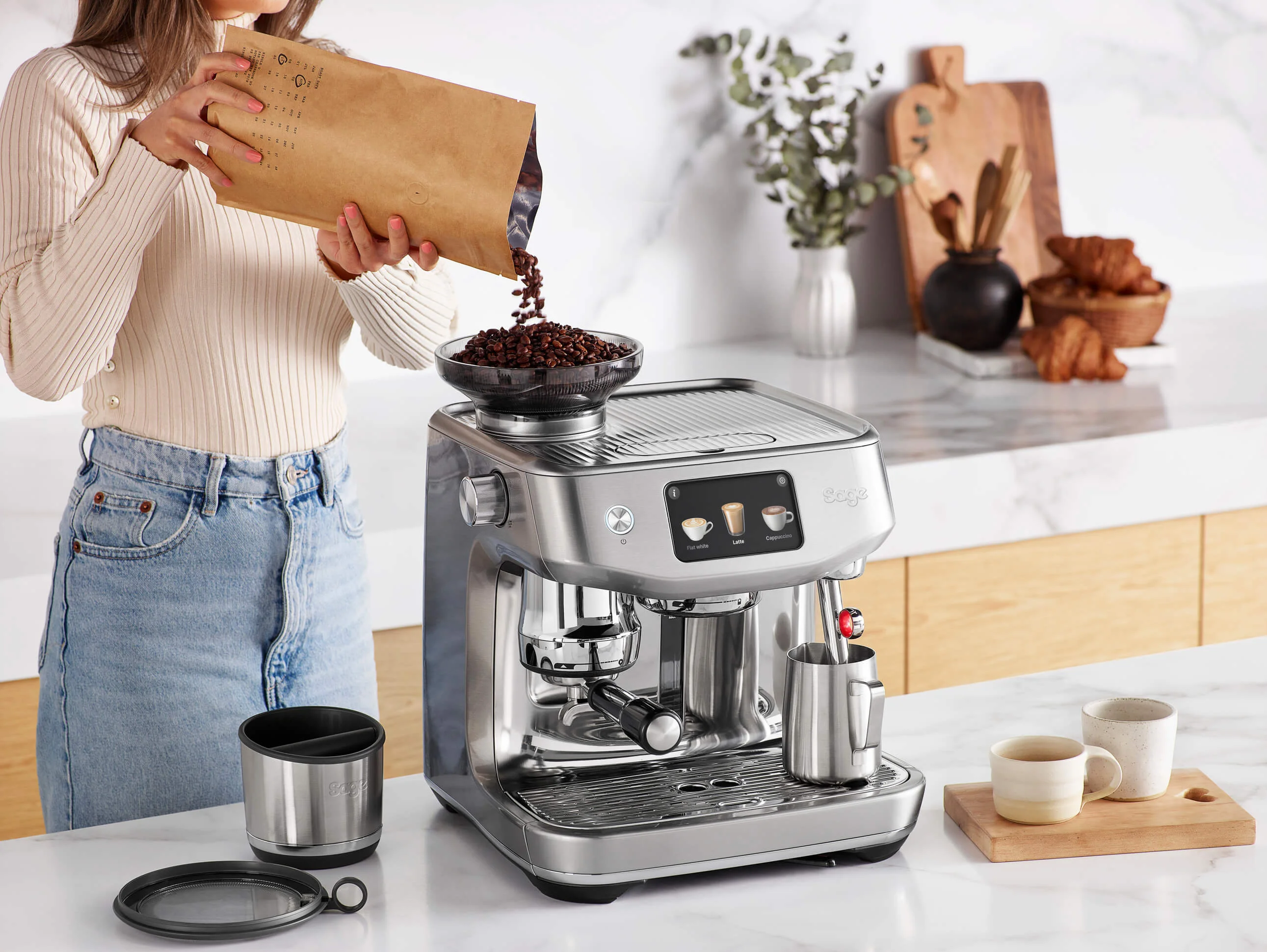
1. Grind coffee beans just before brewing to preserve their freshness and flavour
2. Match grind size to your brewing method for optimal extraction
3. Avoid using pre-ground coffee, even if vacuum-sealed
Making freshness a priority in your coffee routine
Coffee beans are complex little structures, filled with oils, gases, and compounds that come together to create the aromas and flavours we love. However, these elements begin to diminish almost immediately after roasting, making the beans less vibrant and flavourful over time.
Beating that biological clock is the key to an enriching, enjoyable coffee experience for casual drinkers and coffee aficionados alike.
With cutting-edge coffee grinders, espresso machines, and other essential coffee accessories, Sage equips you with everything needed to customise your coffee, from grind to brew.
Explore how Sage can transform your coffee experience. From filter coffee machines to Nespresso machines, Sage has something for every taste. Browse all kitchen appliances today.
Sources:
Perfect Daily Grind. What Creates Coffee Aroma? Understanding The Chemistry. https://perfectdailygrind.com/2019/08/what-creates-coffee-aroma-understanding-the-chemistry/
European Coffee Trip. A science guide to coffee freshness. https://europeancoffeetrip.com/coffee-freshness-science/
Cava Sava. What is Coffee Degassing and Why it’s Important. https://cavasava.com/daily-drinkers/what-is-coffee-degassing/
Related Articles
- Coffee & Espresso

A guide to the different types of coffee roasts
Learn how light, medium and dark coffee roasts differ in taste, aroma and strength to help you choose the perfect roast for your brew. - Coffee & Espresso

Long black vs. Americano: Key differences
Discover the differences between a long black and an Americano, from flavour profiles to brewing techniques. Learn how to make both with café-quality results. - Coffee & Espresso

How to use an espresso machine at home
Master how to use an espresso machine with our easy guide. From settings to brewing tips, learn to make barista-quality coffee at home. - Coffee & Espresso

Espresso machine vs. coffee machine
Wondering whether an espresso machine or coffee maker suits you best? Discover the key differences and which option works for your lifestyle. - Coffee & Espresso

Ristretto vs. espresso: Unpacking the differences
Discover the key differences between ristretto and espresso. Explore each drink's flavour intensity and brewing techniques in our guide. - Coffee & Espresso

How to make a cappuccino at home
Learn how to make the perfect cappuccino at home with our step-by-step guide! Discover essential tools and milk frothing tips. - Coffee & Espresso

Single-origin vs blend coffee: Key differences explained
Learn what single-origin coffee is, how it differs from blends, and which option offers the flavour, consistency, and brewing style that suits you best. - Coffee & Espresso

Burr grinder vs blade: Which is better?
Debating burr grinder vs. blade? Find out which one delivers the best grind for your preferred coffee style and flavour profile. - Coffee & Espresso

How to make cold foam for iced coffee
Learn how to make cold foam at home using simple ingredients and tools. Elevate your iced drinks with this creamy, café-style finishing touch. - Coffee & Espresso

Top espresso accessories for at-home baristas
Discover must-have espresso accessories to enhance your coffee experience at home. From tampers to milk frothers, explore tools for the perfect shot. - Coffee & Espresso

How to save money on coffee
Looking to cut costs without sacrificing your morning brew? Discover smart, simple ways to save money on coffee while still enjoying great flavour at home. - Coffee & Espresso

What is the best coffee water temperature?
Struggling with bitter or flat coffee at home? Learn the ideal water temperature for coffee brewing and how Sage machines help you achieve the perfect flavour. - Coffee & Espresso

What is the perfect coffee-to-water ratio?
Unlock the secret to a perfect cup of coffee with the ideal coffee-to-water ratio. Learn how to measure, adjust, and brew different coffee styles with precision. - Coffee & Espresso

Semi-automatic vs. automatic espresso machine
Discover the differences between semi-automatic and automatic espresso machines. Learn which suits your lifestyle with Sage's barista-quality designs. - Coffee & Espresso

At-home coffee brewing methods
Discover the most popular coffee brewing methods and how each one creates a different flavour, strength and experience in every cup. - Coffee & Espresso

10 coffee hacks you need to try
Upgrade your daily brew with these 10 clever coffee hacks. From saving money to boosting flavour, here's how to get the most from your morning cup. - Coffee & Espresso

Making coffee at home vs. buying at a café
Is it better to brew coffee at home or buy it from a shop? We break down the cost, taste, time, and experience to help you make the right choice. - Coffee & Espresso

How to pour latte art: A step-by-step guide
Master the art of creating stunning latte art at home with this beginner-friendly guide. Learn essential techniques, tools, and tips for perfect latte art. - Coffee & Espresso

Whole beans vs. ground coffee
Whole beans or ground coffee—what saves more money? Discover cost comparisons, brewing factors, and tips to stretch your coffee budget further. - Coffee & Espresso

What is the best milk for frothing?
Wondering which milk froths best? Compare dairy and plant-based options to achieve creamy, café-style foam for lattes and cappuccinos at home. - Coffee & Espresso

How to dial in espresso: Tips for home baristas
Master barista-level espresso at home with this dial-in guide. Learn how to adjust grind size, dose, tamp and extraction time for balanced, flavourful espresso. - Coffee & Espresso

Why is my espresso bitter? Potential causes
Wondering why your espresso tastes bitter? Learn what causes bitterness and how to fix it for a smoother, more balanced shot every time. - Coffee & Espresso

How to tamp espresso
Master the art of tamping espresso to achieve the ideal shot. Learn the correct pressure and technique for delicious, balanced espresso every time. - Coffee & Espresso

Light vs dark roast coffee: Key differences explained
Discover how light and dark roast coffees differ in flavour, acidity, aroma, caffeine, and brewing results so you can choose the roast that suits your taste.