The importance of properly ground coffee
Imagine pouring water over a jar full of rocks. It wouldn’t take long for the water to filter through and reach the bottom. What about a jar of sand? You can visualise how quickly it would absorb the water.
This illustrates the impact coffee bean grind size has on your brew.
The coarser your grounds, the quicker water passes through, resulting in less extraction of the aromatic oils, acids, and sugars that give coffee its distinct flavour. Conversely, fine grounds result in greater extraction.
Achieving that perfect balance is where the right grind size comes in.
Tools you need to grind coffee beans
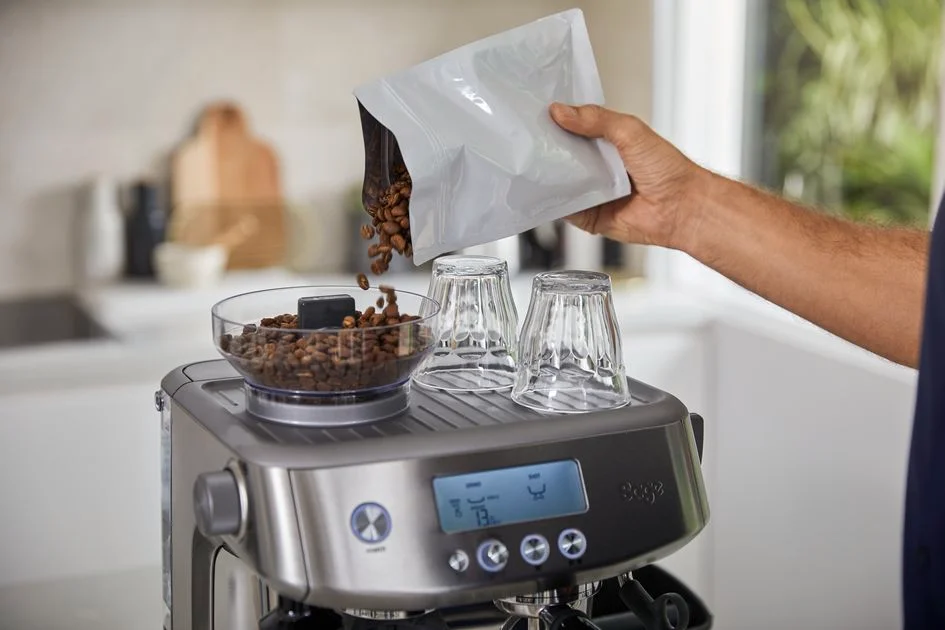
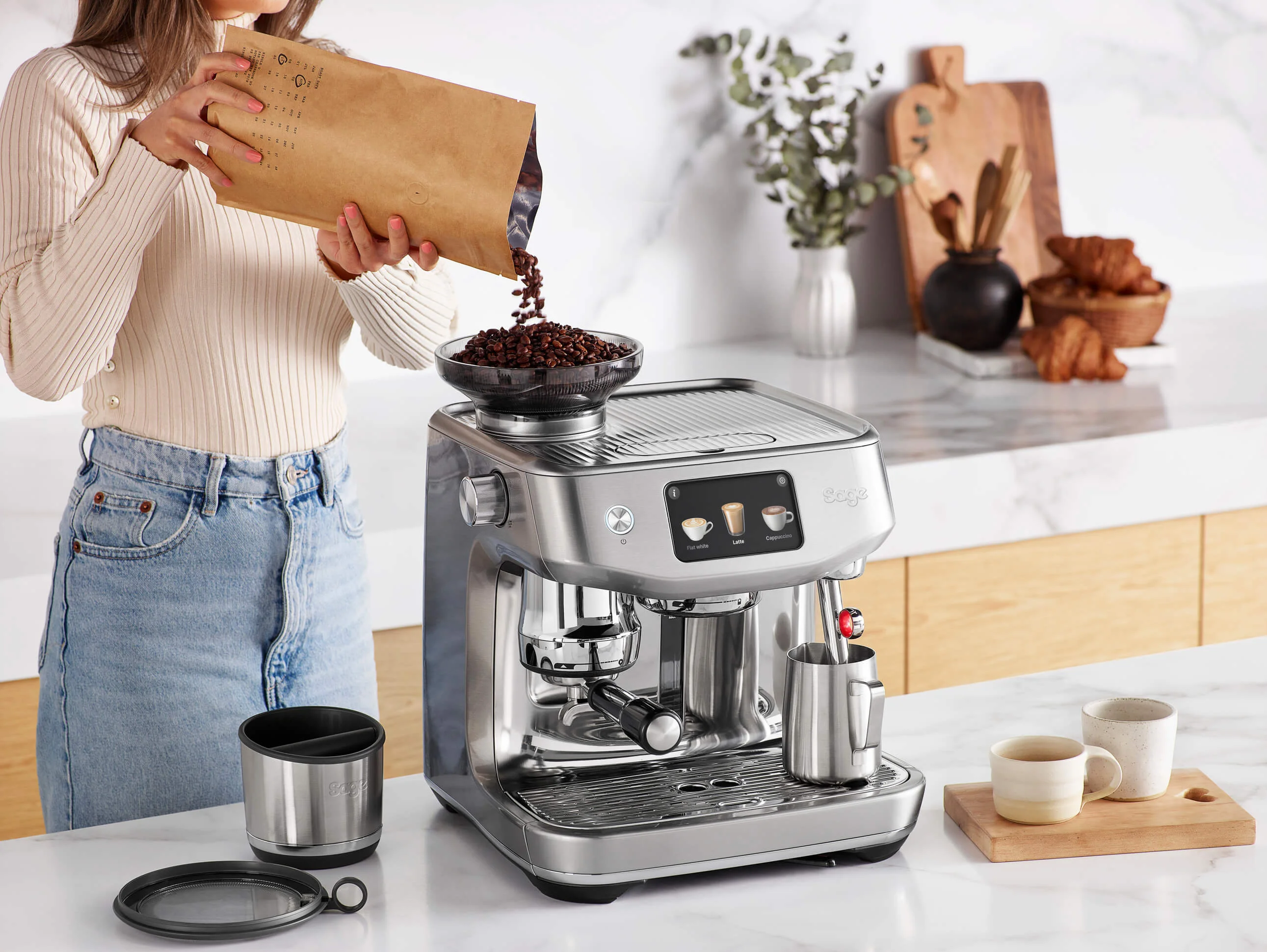
Before you learn how to use an espresso machine, you first need to understand how to grind your coffee beans for the perfect morning brew. To grind coffee beans effectively, you'll need the right equipment. Of the numerous coffee grinders available, almost all of them fall under two categories: the blade grinder and the burr grinder.
Choosing the right grinder: Blade vs. burr
We could sum up the difference between these two types of grinders this way: While blade grinders are more affordable, burr grinders are the only choice for those serious about their coffee.
Consider a side-by-side comparison:
● Blade grinders spin two blades to chop coffee beans. They will produce uneven particles and unnecessary heat, which will negatively affect your final cup.
● Burr grinders crush coffee beans between precisely adjustable metal or ceramic burrs, either manually or automatically, producing uniform particles and even extraction.
Both grinders break down coffee beans, but only burr grinders can do so consistently and to the level of precision needed to make certain types of brews (such as espresso).
Understanding grind sizes for different brewing methods
Coffee drink varieties all come from the same two ingredients: coffee grounds and water. The key lies in the, shall we say, finer details—namely, the consistency of your grinds.
Consider a few examples of ideal grind sizes for popular brewing techniques.
Coarse grind: Friend to the French press
French press coffee calls for a coarse grind, resembling sea salt in texture. This grind size is ideal because it:
● Allows for a longer extraction time (typically 4-5 minutes).
● Prevents fine particles from passing through the filter and muddying your final cup.
● Produces a full-bodied, rich brew with a robust profile.
Medium grind: Delightful for drip coffee
Drip coffee makers work best with a medium grind, similar to sand or table salt. Medium grind is perfect for a few reasons. It:
● Provides a balance between extraction and flow rate.
● Works well with a variety of drip coffee machines.
● Offers a baseline for experimentation and fine-tuning.
Fine grind: Excellent for espresso
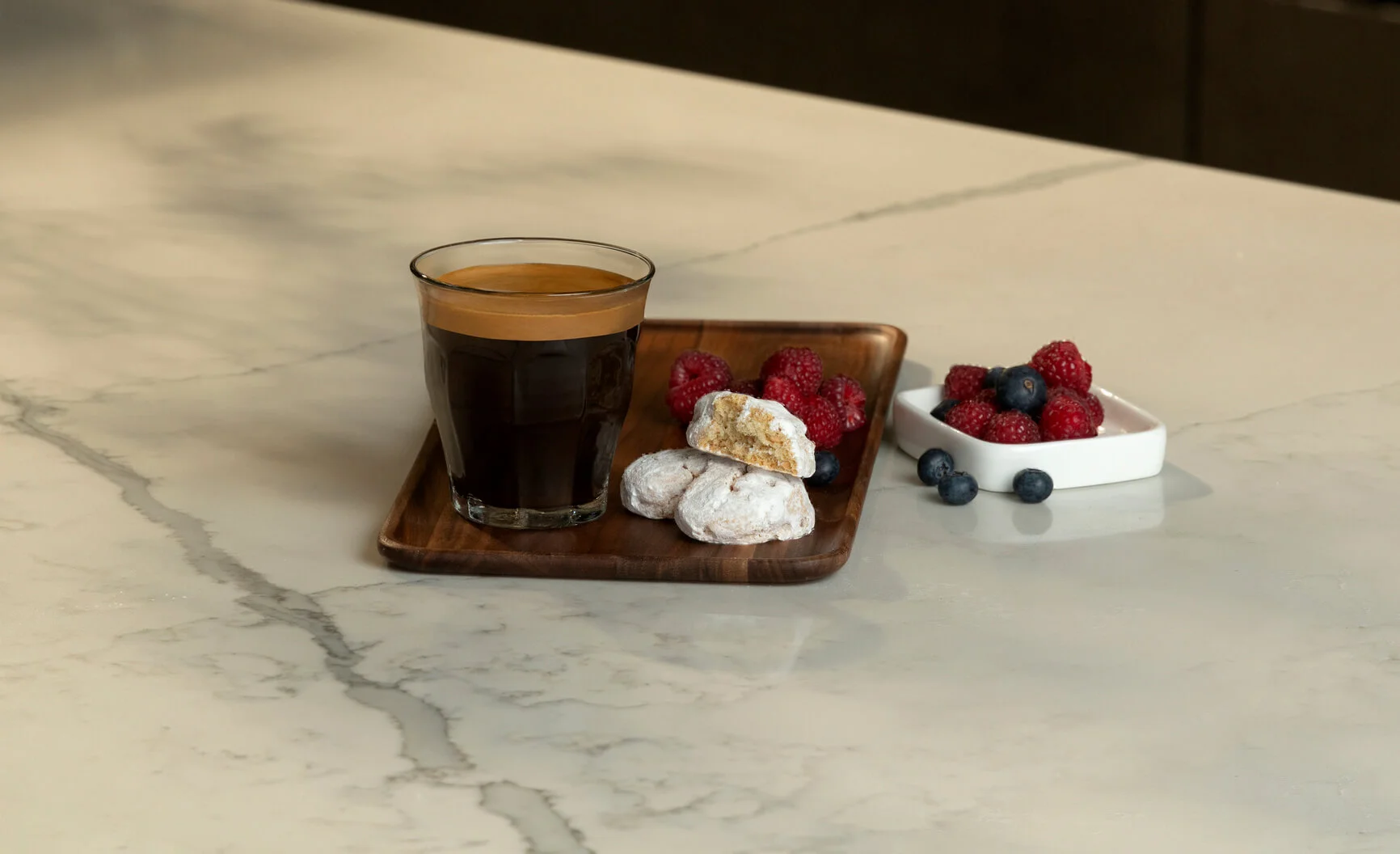
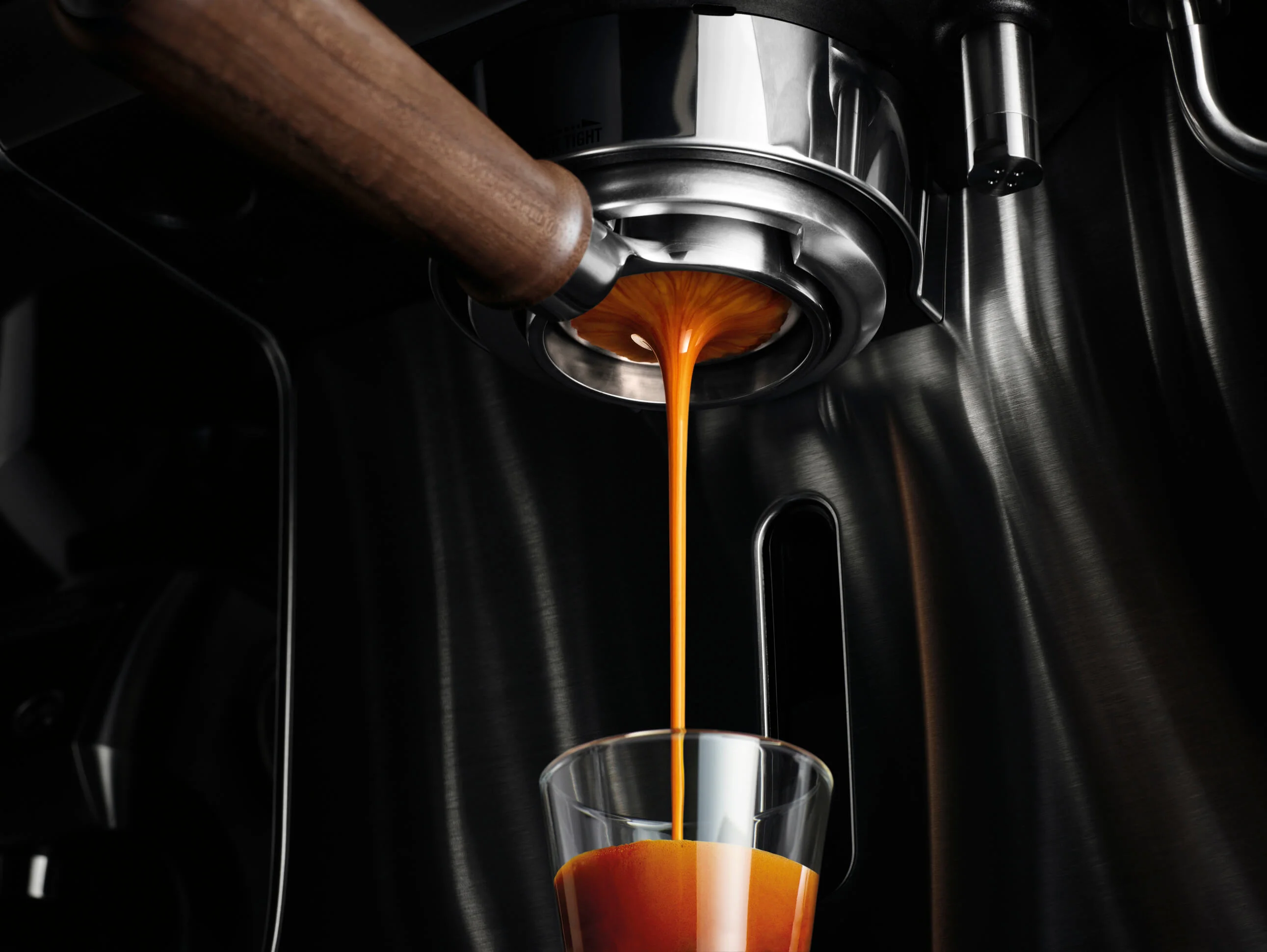
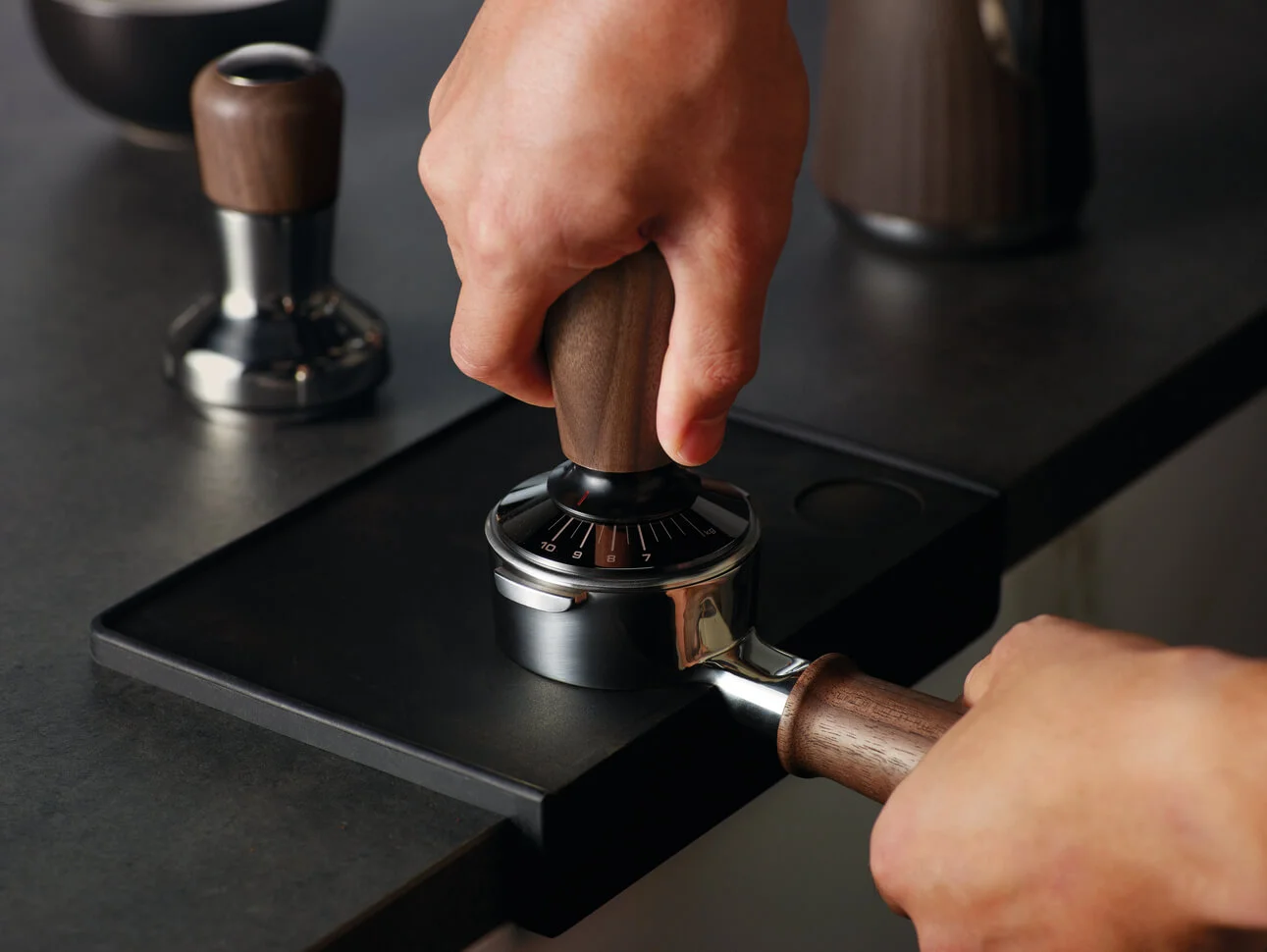
Espresso machines use high pressure to force hot water through finely ground coffee, extracting a concentrated shot of coffee in a short amount of time.
A fine grind size is necessary for brewing espresso since it:
● Compensates for the short brew time (typically 20-30 seconds).
● Creates resistance, allowing for proper pressure build-up in the espresso machine.
● Enables full extraction, producing a concentrated and flavourful shot of espresso.
Step-by-step guide to grinding coffee beans
Armed with an understanding of grind size, let’s walk through the process of grinding coffee beans like a pro.
Measuring the beans
Before you start using a coffee grinder, accurate measurements are crucial. Your goal often centres around a specific coffee-to-water ratio; for example, a 2:1 ratio represents two parts water for one part coffee.
While the golden ratio depends on personal preference, it also depends on your brew method. Note some common guidelines:
● Drip coffee – 17:1
● French press – 16:1 to 12:1
● Espresso – 2:1
● Pour over – 15:1
● Cold brew – 5:1
Weighing your fresh coffee beans on a digital or kitchen scale is an effective way to align your ratios, allowing you to achieve the perfect balance for your tastes.
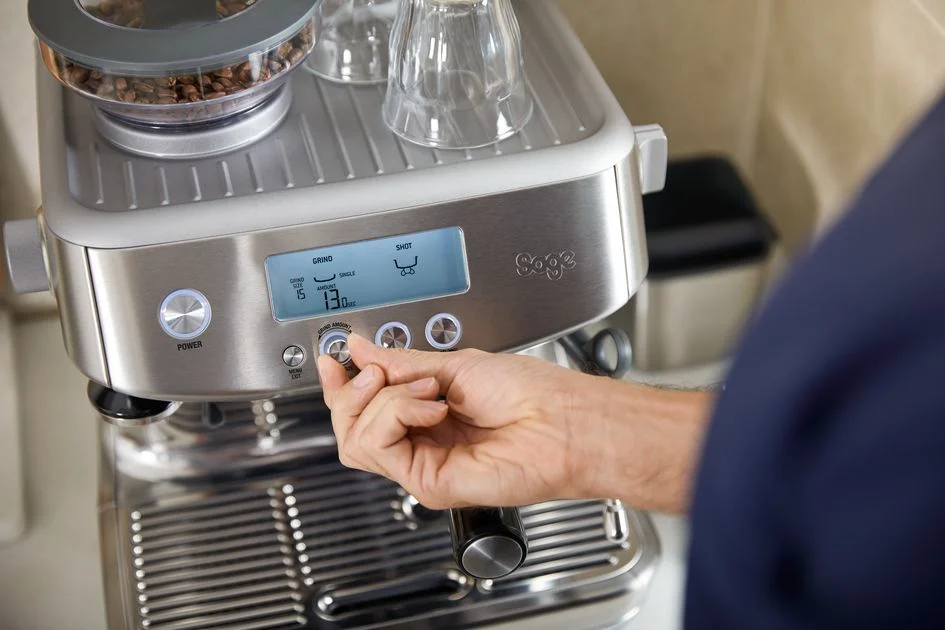
Adjusting the grind setting for your brewing method
Particularly for newer home baristas, making the distinction between coarse versus medium grinds can be challenging. This is often a trial-and-error process:
● Start by setting your coffee grinder to the size recommended for your brew method.
● Brew as normal, then taste it.
● Adjust your desired grind size as needed.
Sour or watery cups might mean an under-extracted brew, requiring a finer grind. On the other hand, astringent or overly bitter results may warrant a coarser grind for reduced extraction.
Tips for storing freshly ground coffee
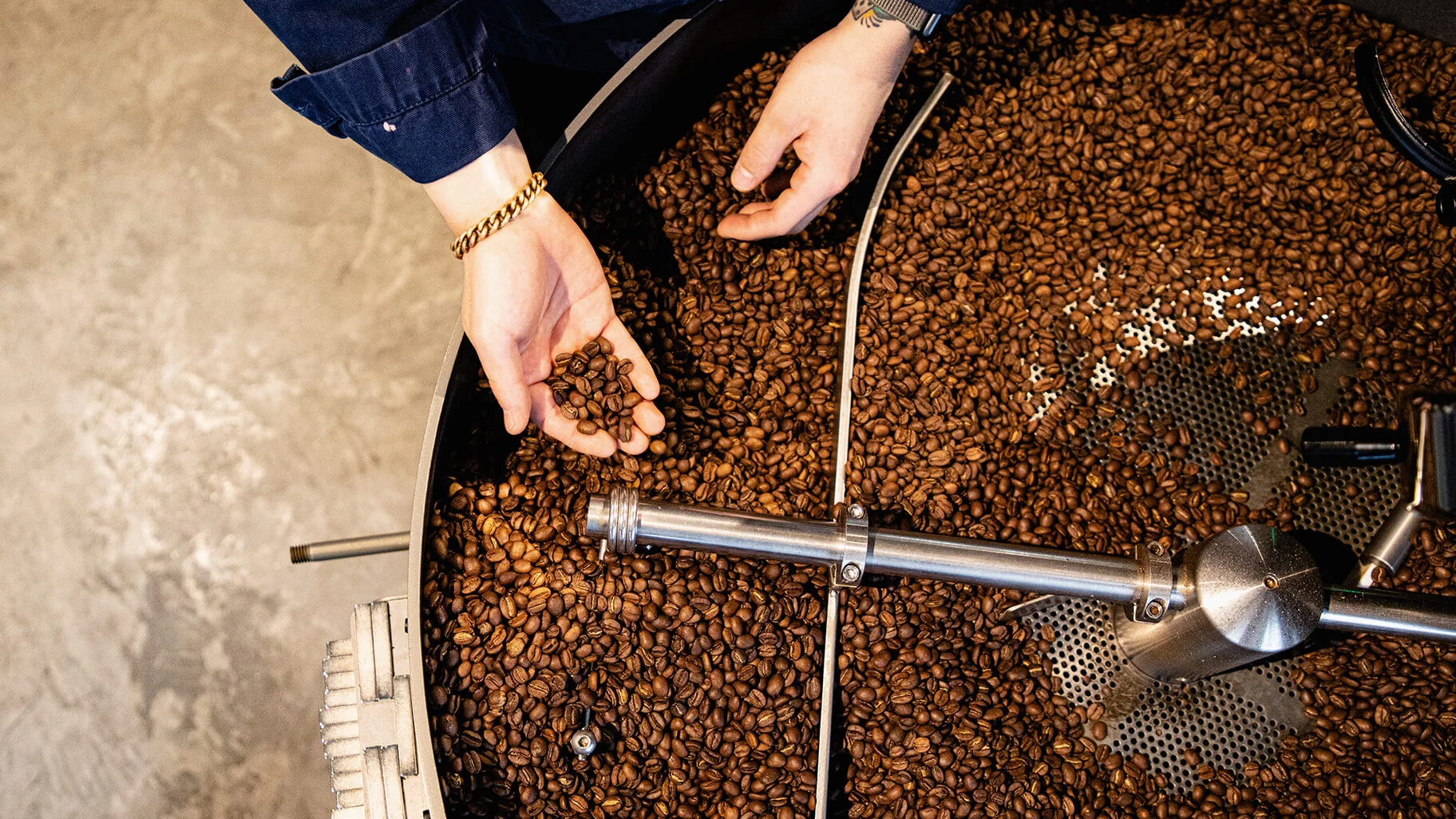
Oxygen is the enemy of coffee grounds, quickly robbing them of their freshness. So, how can you keep coffee beans fresh? Consider a few tips on how to store ground coffee to lock in maximum flavour and aroma:
● Store grounds in an airtight container at room temperature.
● Keep the container away from moisture, heat, and direct sunlight.
● Use the ground coffee within 1-2 weeks for optimal flavour.
Since whole beans stay fresh longer than grounds, the single best way to preserve your coffee is to grind beans as needed before brewing.
Master the art of coffee grinding like a pro
Today, you’ve learned a critical quality of the aspiring home barista. The art of the grind is a mix of science and precision, with a healthy dose of experimentation.
Take your time with this process. Savour each sip, no matter how imperfect—knowing that each endeavour brings you one step closer to that coveted perfect cup.
If you’re looking for companions in your coffee quest, look no further than Sage. We’ve engineered our coffee grinders to deliver precise and consistent grinds, all with a cutting-edge and intuitive design.
Become your own barista with Sage: explore our lineup of kitchen appliances now.
Sources:
Methodical Coffee. Coffee to Water Ratio: The Ultimate Guide to Brewing Ratios. https://methodicalcoffee.com/blogs/coffee-culture/coffee-to-water-ratio-the-ultimate-guide-to-brewing-ratios?srsltid=AfmBOoqlX9XKDJaUkcoaQ4qf-eAhbtuVzyoui3H-3BE5nY7cK6b3397E
Perfect Daily Grind. Coffee Grind Size & How It Affects Consistency & Flavor. https://perfectdailygrind.com/2017/12/a-guide-to-coffee-grind-size-consistency-flavor/
Department of Food Science and Human Nutrition. Effect of Storage Conditions on the Sensory
Quality of Ground Arabica Coffee. https://citeseerx.ist.psu.edu/document?repid=rep1&type=pdf&doi=8d12b019117d1670f688682077691c35cbb6cb55