If you prefer espresso to filter coffee, the type of espresso machine you get will impact how much time and effort you put in, as well as how much control you have over the flavour and consistency of the finished cup.
This guide will cover two popular options, comparing semi-automatic vs. automatic espresso machines, to help you weigh your preferred level of convenience, involvement, and customisation.
What is a semi-automatic espresso machine?
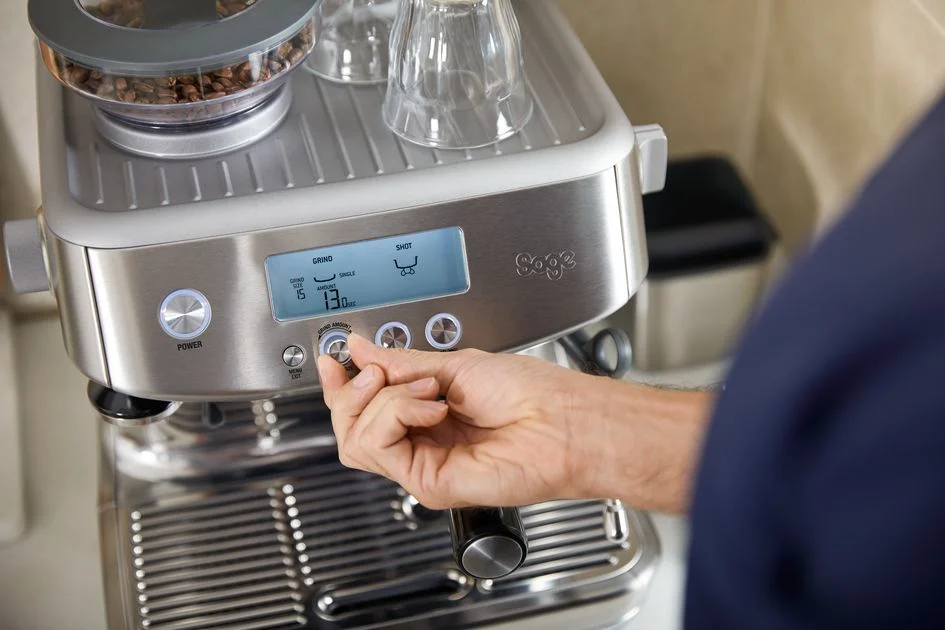
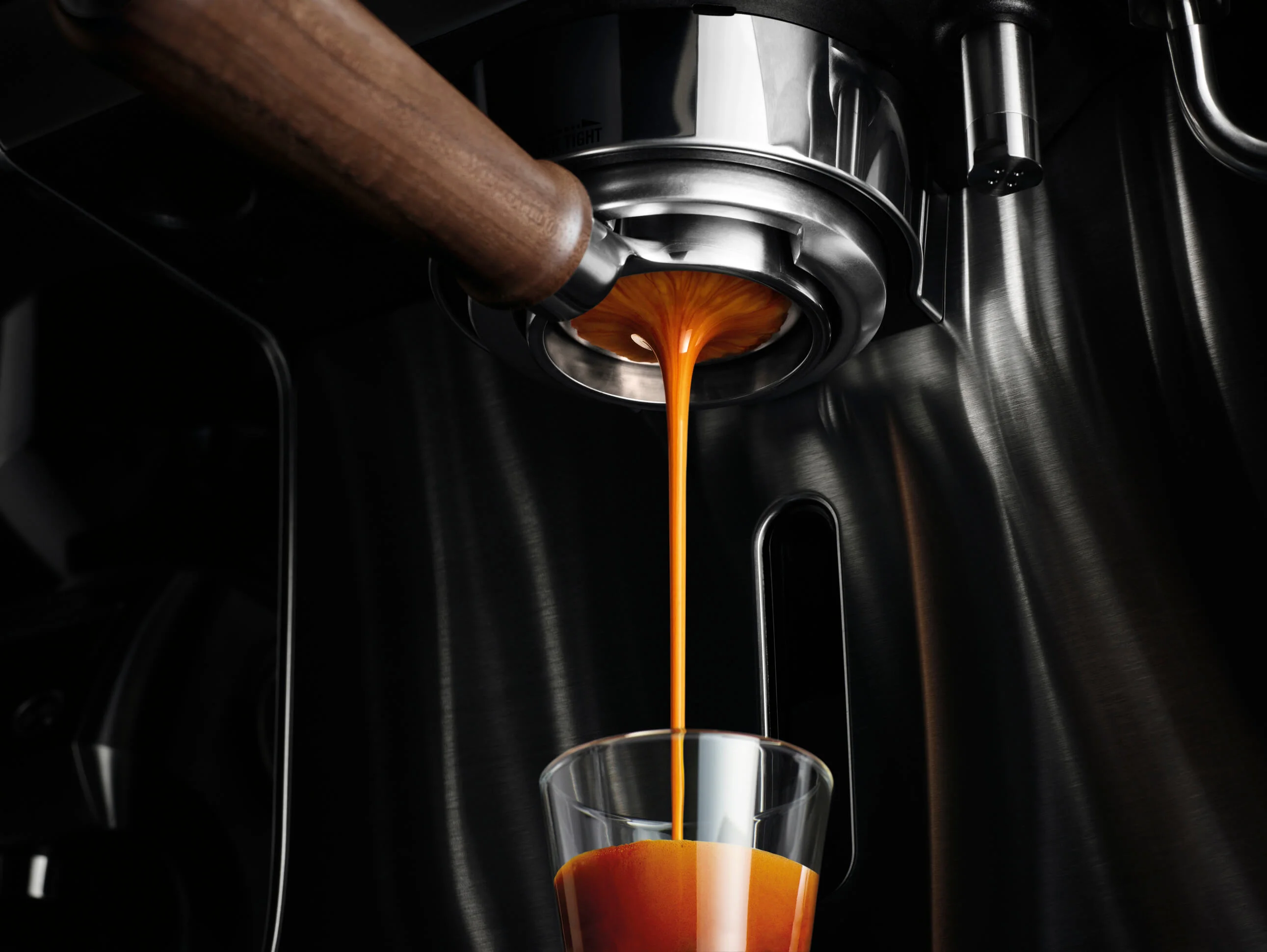
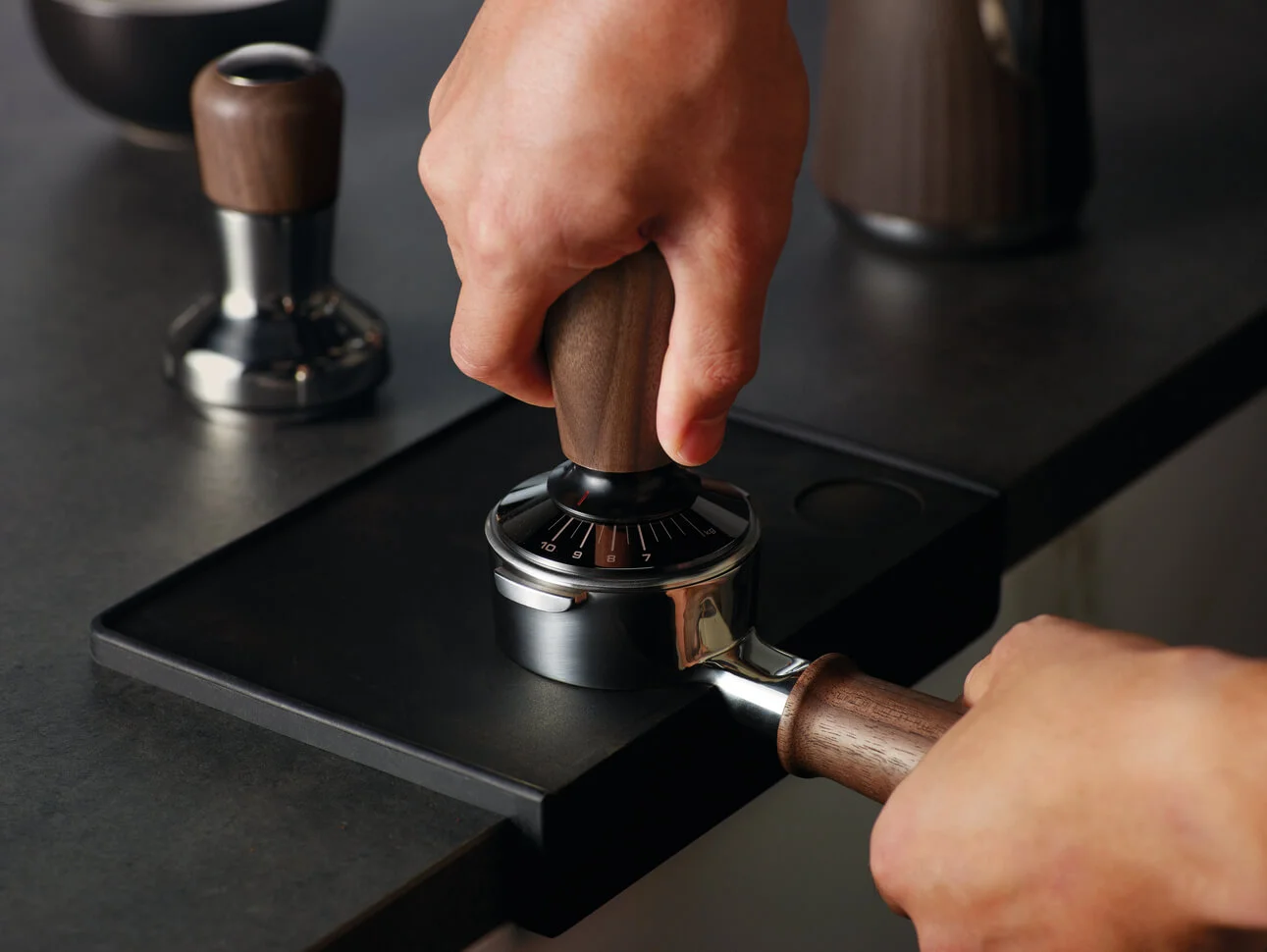
A semi-automatic espresso machine is the type of system most often used in cafés. It has an electric pump that sends hot water through finely ground coffee. Although it generates the necessary water pressure to brew concentrated espresso shots, you have to start and stop the extraction yourself and load and tamp the portafilter by hand.
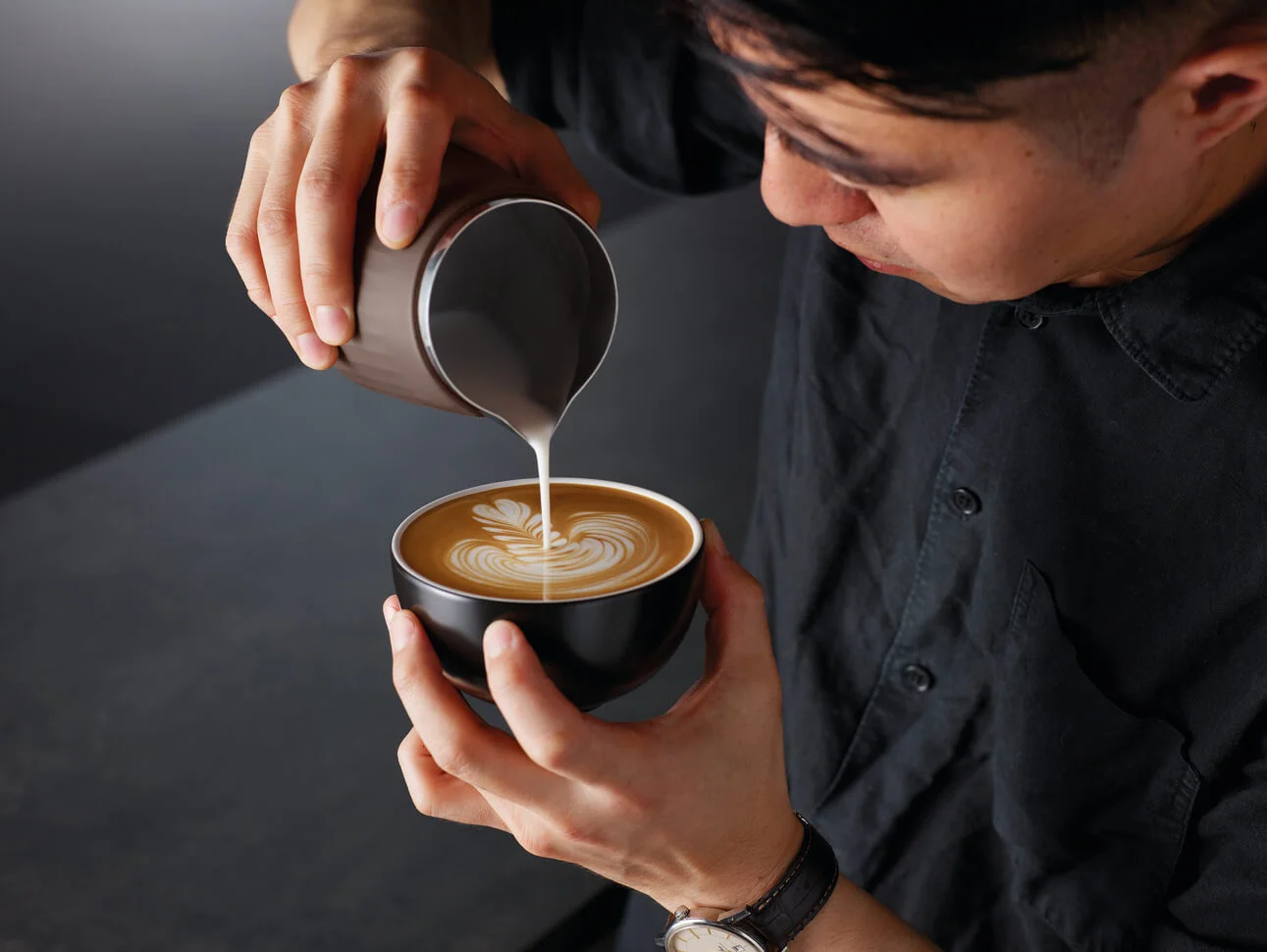
This type of espresso machine combines manual effort with automatic features. It requires some skill but gives you control over the espresso grind size, dose, and extraction timing. Semi-automatic espresso machines are ideal for home brewers who appreciate the barista experience and want to refine their espresso shots.
What is an automatic espresso machine?
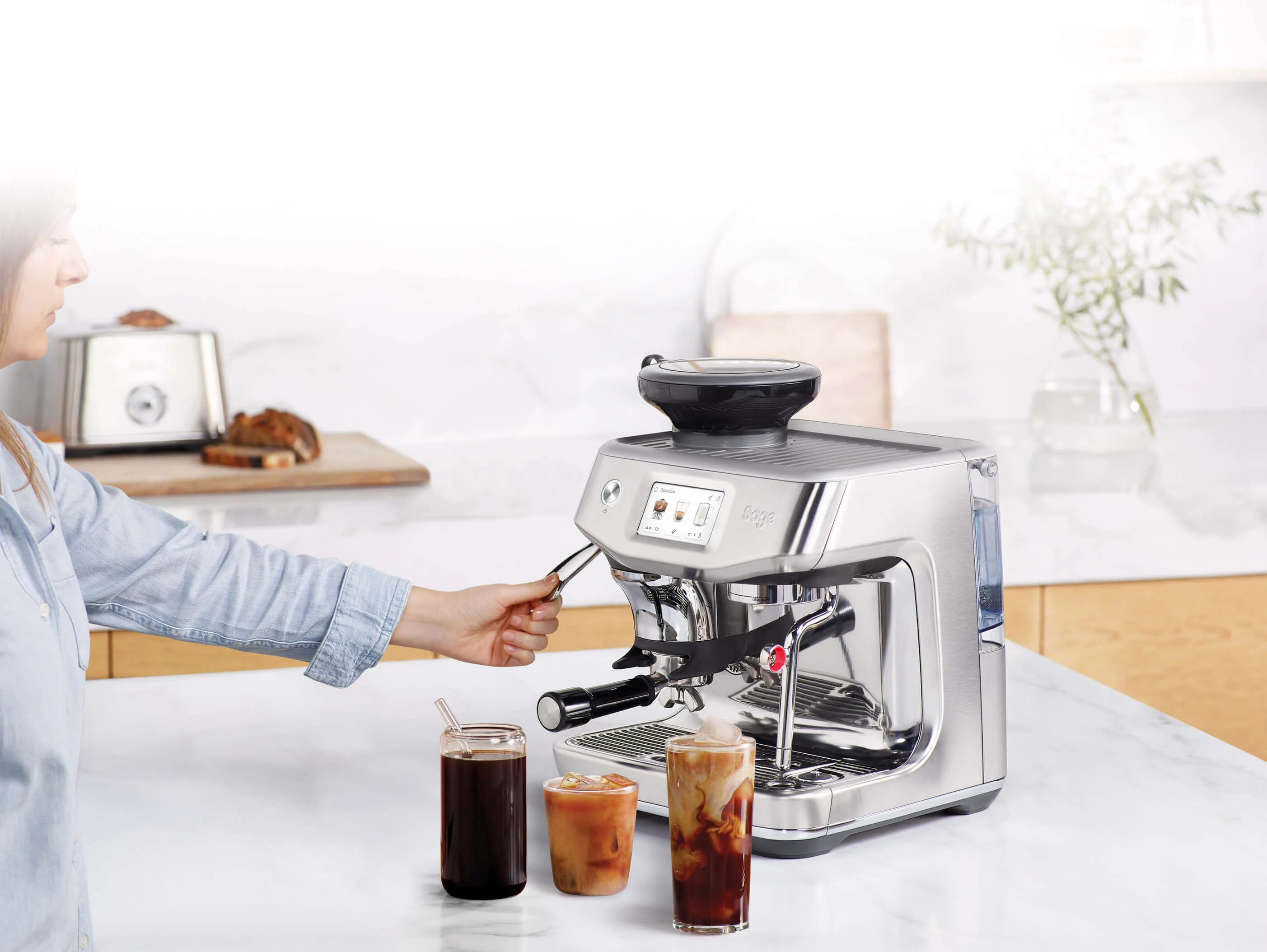
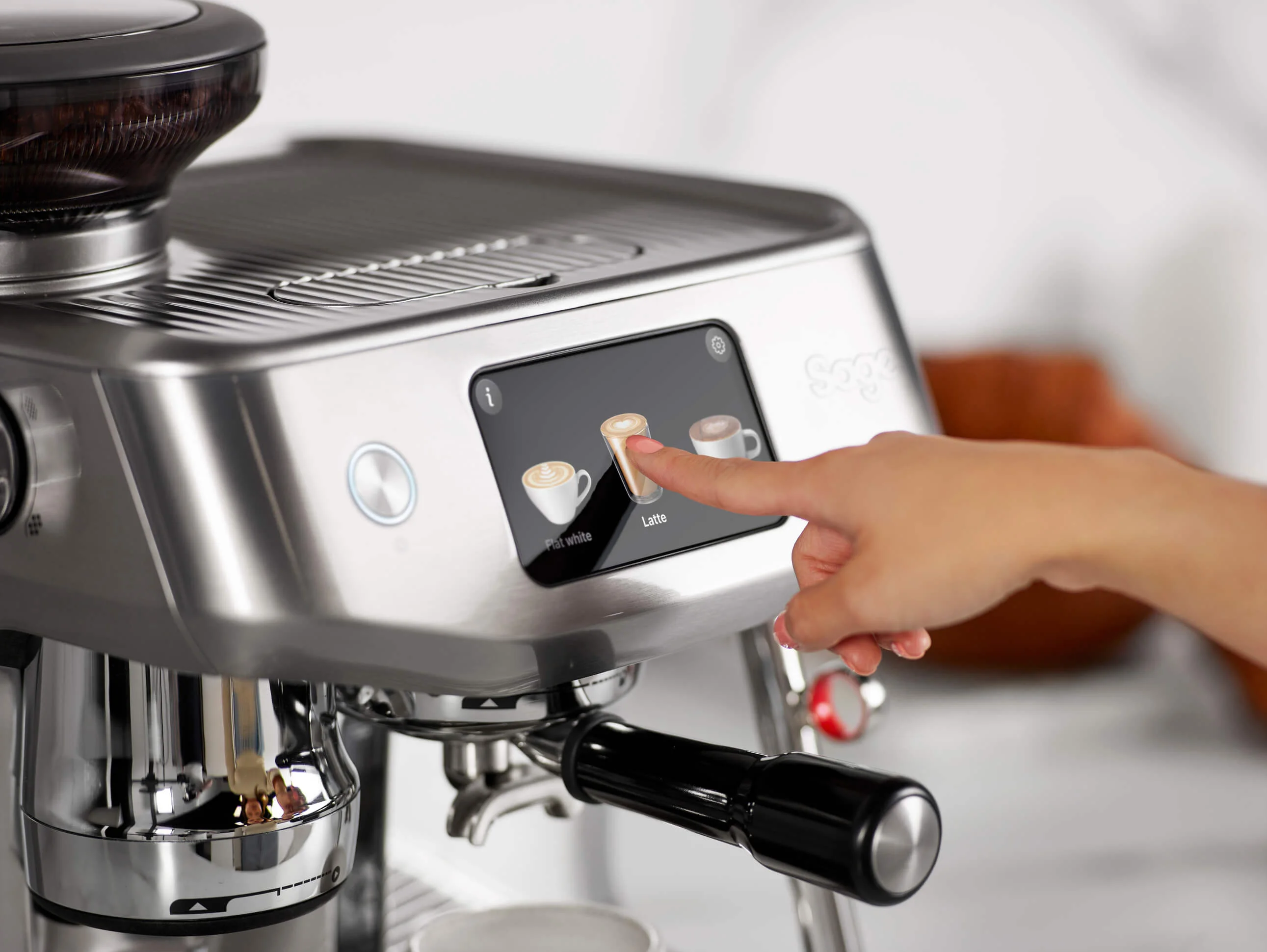
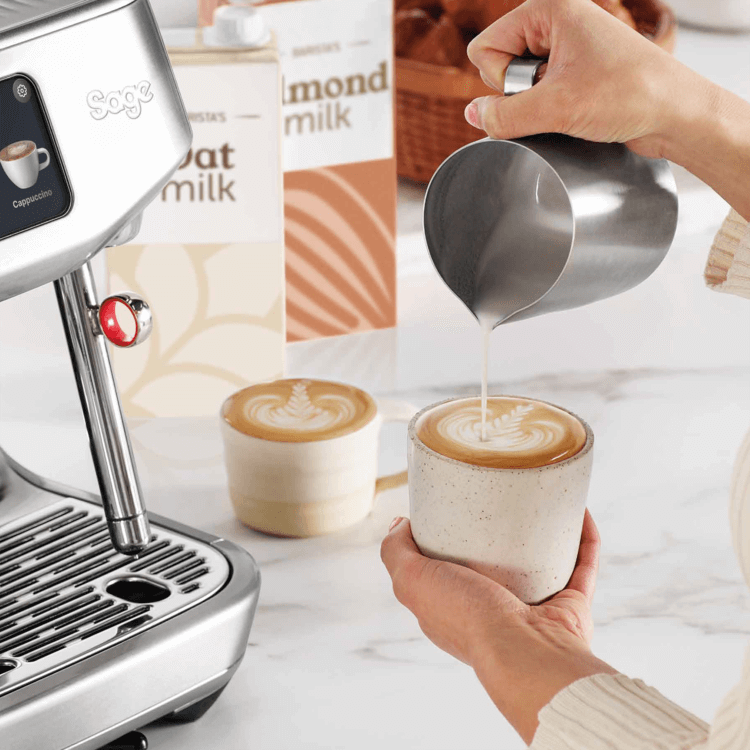
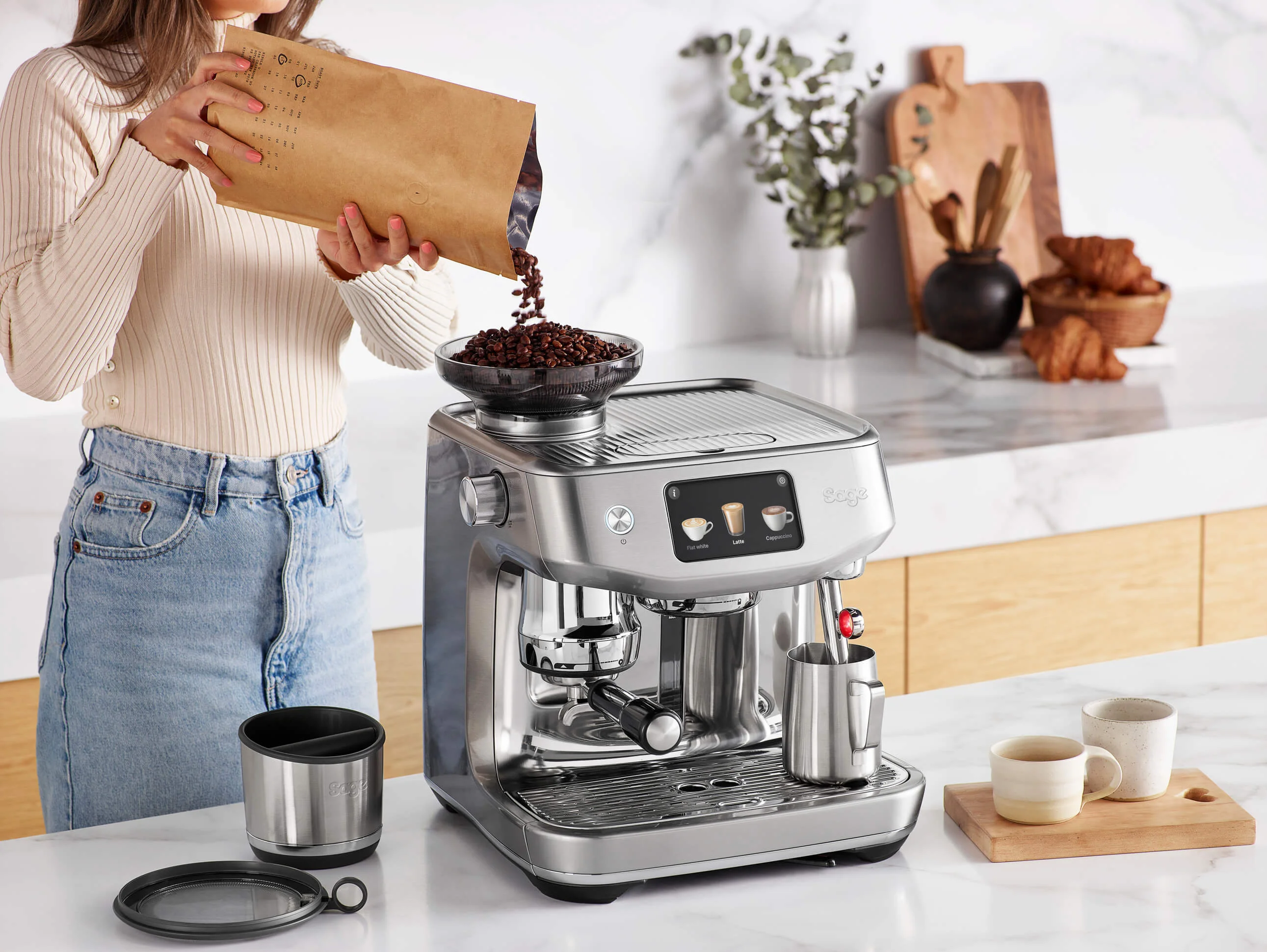
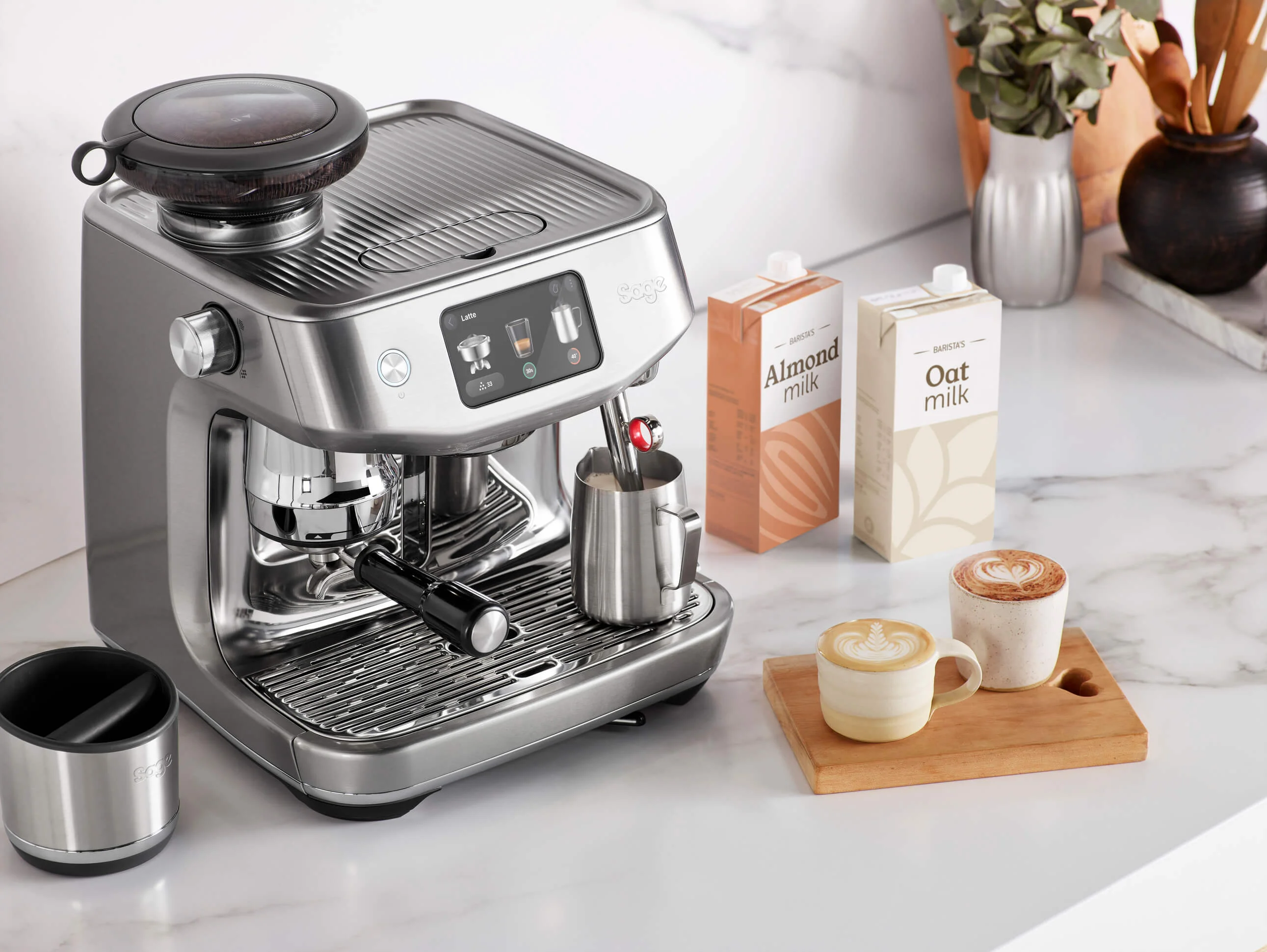
An automatic espresso machine is a comprehensive unit that automates nearly every step of the brewing process. These units typically have built-in burr grinders, PID (proportional–integral–derivative) temperature controls, and integrated milk frothers. They're preprogrammed to pull and heat the correct amount of water, grind and tamp the ground espresso, extract the espresso, and dispense perfect shots.
The bean-to-cup design makes it easy to make and enjoy barista-style coffee drinks at home. Many super automatic machines have multiple preprogrammed drink options, allowing you to create cappuccinos, lattes, and caffè lungos with the press of a button. Though you'll have less control and room to experiment, lots of people appreciate the convenience of an automatic machine. All you need to do is fill the beans, water, and milk, then make your selection.
Key features to consider in espresso machines
Here's what to consider when deciding whether to buy a semi-automatic or automatic espresso machine:
● Control vs. convenience – Semi-automatic machines allow for more control through manual measuring, tamping, and shot timing, while automatic machines automate extraction.
● Consistency – Automatic machines deliver uniform, consistent results. Meanwhile, semi-automatic systems require skill and small adjustments to create balanced espresso shots.
● Ease of use – An automatic espresso machine is more user-friendly on account of features like a built-in grinder and intuitive displays.
● Extra functions – Consider whether additional features are important to you, such as a built-in steam wand or programmable settings.
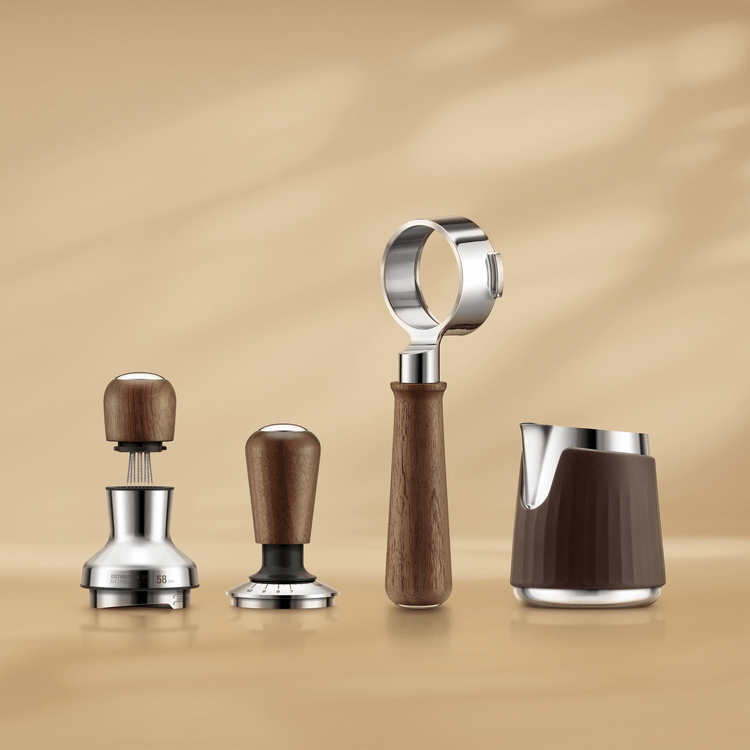
● Size and design – Think about your available counter space and how the machine will complement your kitchen style. Automatic machines are often larger, as the grinder, milk frother, and puck-collection container are all part of the unit. A semi-automatic machine may be more compact, but you'll need to store the separate components somewhere.
● Cleaning – Keeping your espresso machine clean is important for its longevity. However, some super-automatic machines are more difficult to clean due to the way the coffee and milk travel through the interior of the machine. If you’re worried about maintaining one, a semi-automatic might be the safer choice.
Matching the machine to your lifestyle
Should you get a semi-automatic or automatic espresso machine? Consider which option matches your lifestyle best based on:
● Time and routine – If you have a few extra minutes in the morning and enjoy the slower ritual of brewing espresso, a semi-automatic machine might be a good choice. However, if you tend to be short on time or have a busy household, automatic brewing may be better.
● Budget and long-term value – Automatic espresso machines are typically priced higher than semi-automatics because they have more features and advanced capabilities. But investing in a premium machine that lasts up to a decade or more can offer long-term value—not to mention the time you'll save.
● Sustainability – If sustainability is a top priority, you can feel good about buying a semi-automatic or automatic machine from Sage. Both types are designed with durable builds and energy-efficient performance.
Tips for getting the best results with either machine
No matter which type of espresso machine you use, you can optimise your results with a few best practices:
● Always use fresh beans – For optimal results, use fresh coffee beans. If you're using a semi-automatic system, grind the beans to a fine grind size before each use.
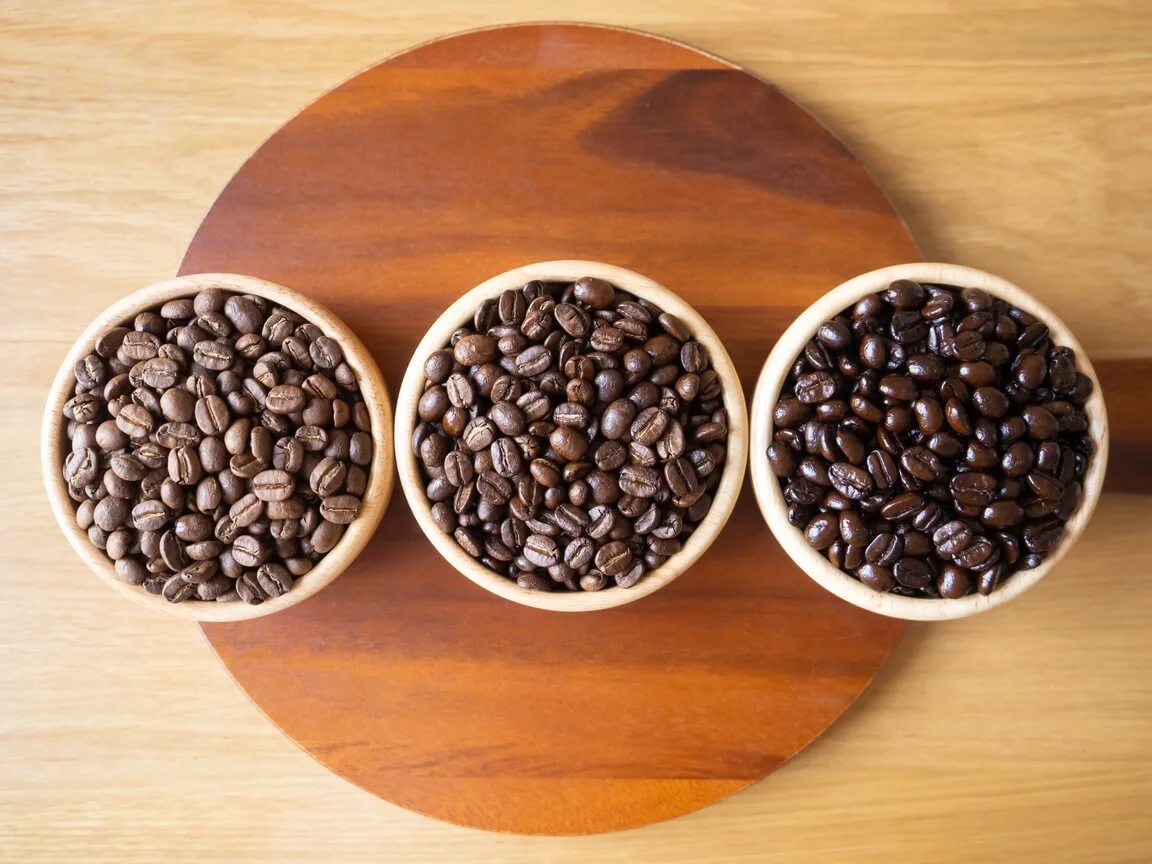
● Choose a dark or medium roast – Dark and medium coffee roasts tend to be easier to extract for espresso, as they're soluble but can withstand the high water pressure.
● Use fresh, filtered water – Add new water to the reservoir daily. Filtered or reverse-osmosis water is best for taste and machine care.
● Clean and purge daily – Purge the steam wand and clean any external components and espresso accessories after every use, such as the tamper, tamping mat, and dosing funnel.
● Descale regularly – Descale your espresso machine regularly with a mixture of filtered water and distilled white vinegar or the manufacturer's recommended cleaning solution.
Find your perfect espresso machine with Sage
Both semi-automatic and automatic espresso machines can produce excellent coffee. The difference comes down to the level of involvement in each step of the brewing process. The choice depends on how much effort you're willing to put in for more control versus convenience.
Explore the collection of innovative, high-performing espresso machines from Sage to find your ideal match.
Sources:
1. CoffeeGeek. Manual vs. Automatic vs. Super Auto; It's Gotten Complicated!. https://coffeegeek.com/blog/technology/manual-vs-automatic-vs-super-auto/
2. Jurnal Polimesin. The effect of temperature, pressure, and grind size on Total Dissolved Solids (TDS) and extraction yield of semi-automatic espresso machines. https://www.researchgate.net/publication/382294005_The_effect_of_temperature_pressure_and_grind_size_on_Total_Dissolved_Solids_TDS_and_extraction_yield_of_semi-automatic_espresso_machines
3. Perfect Daily Grind. What's the future for home espresso machines?. https://perfectdailygrind.com/2025/06/future-for-home-espresso-machines/
4. International Journal of Mass Spectrometry. Extraction kinetics of coffee aroma compounds using a semi-automatic machine: On-line analysis by PTR-ToF-MS. https://www.sciencedirect.com/science/article/pii/S1387380616000440
5. Engineering Failure Analysis. Anomalous corrosion phenomena observed on electrovalves of coffee espresso machines. https://www.sciencedirect.com/science/article/abs/pii/S1350630713002252
6. Roast Magazine. Sweetness in Coffee: How Do We Define, Analyze and Discuss It?. https://www.roastmagazine.com/stories/sweetness-in-coffee