While it may seem like the exclusive domain of seasoned baristas, the truth is that anyone can learn how to do latte art at home—with the right tools and techniques, that is.
This guide will show you exactly how to get started and share tips for turning every homemade latte into a masterpiece.
Essential tools and equipment for latte art
Artwork begins with the right tools, and latte art is no exception. Consider the equipment you need for precise, consistent results.
Choosing the right espresso machine
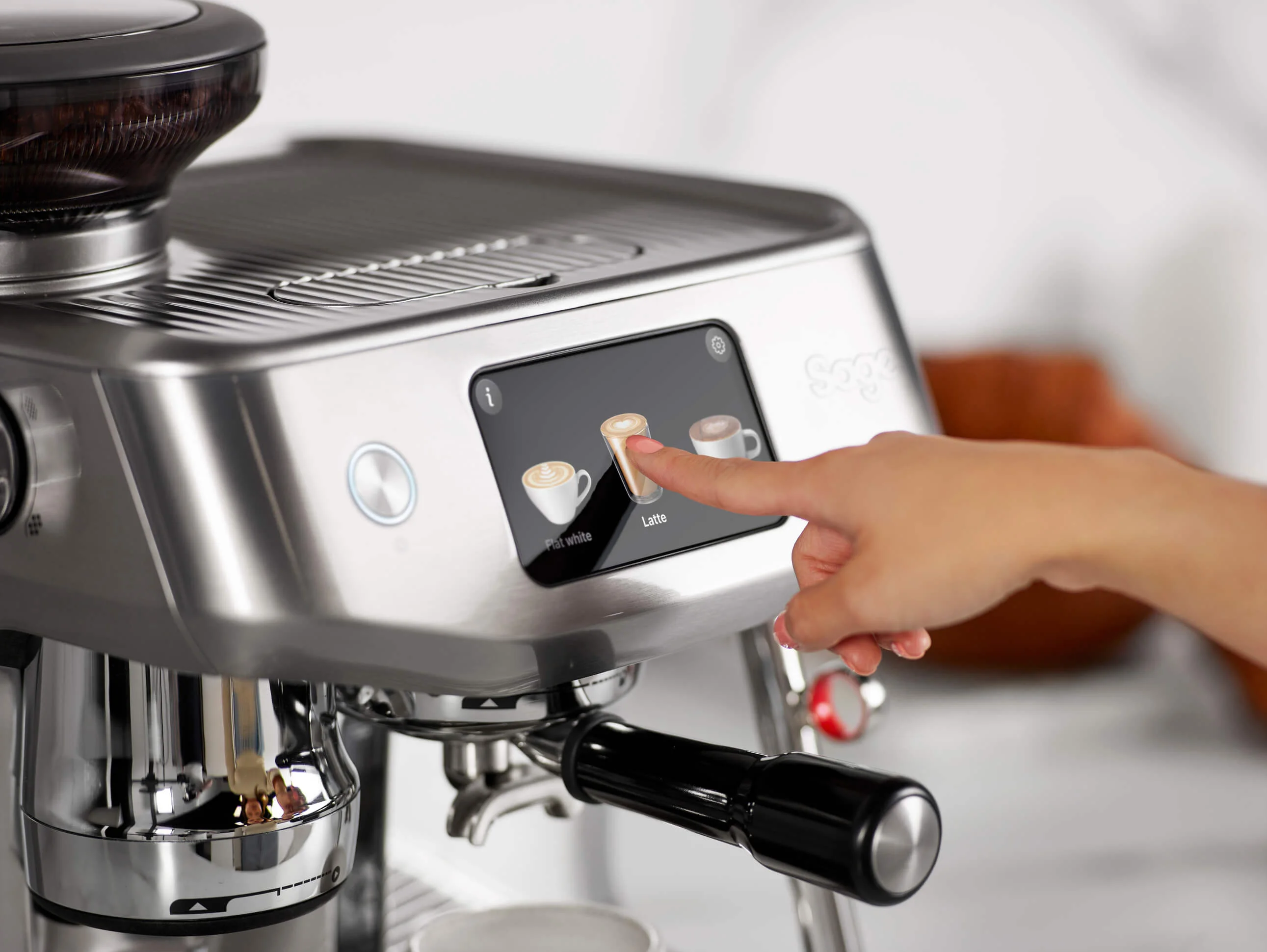
Like an artist needs a reliable canvas, a barista needs quality espresso as the backdrop for latte art. Look for an espresso machine that offers:
● 9 bars of pressure for ideal extraction
● An attached steam wand for perfectly textured milk
● Quality of life features such as a built-in coffee grinder
A great espresso machine is the key to a consistent coffee cup, ensuring your lattes taste as good as they look.
Selecting the perfect milk pitcher
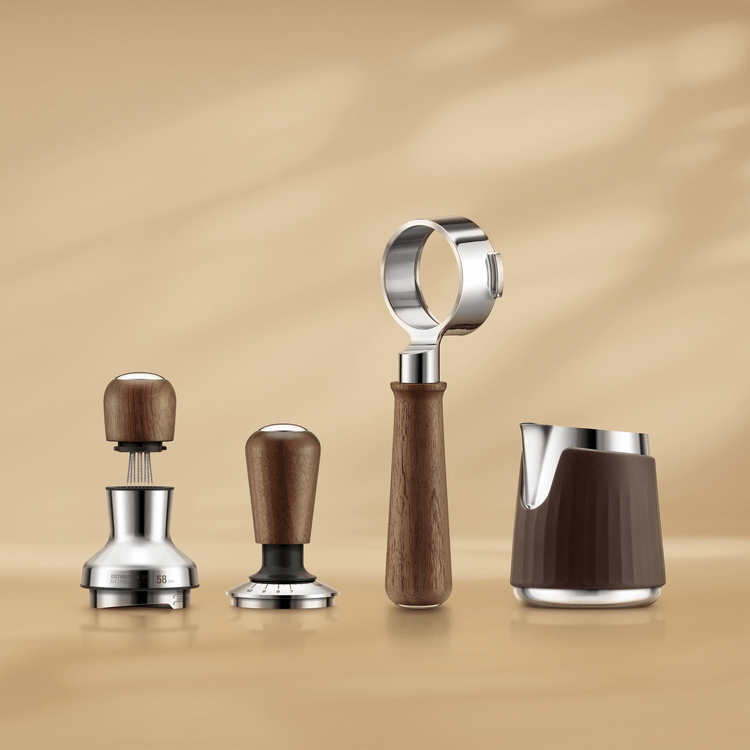
Just as a fine-tipped brush allows for detailed strokes, a well-designed milk pitcher gives you the control needed to perfect your pour. Select one with a narrow spout for better control, and preferably a smaller pitcher to retain heat when steaming milk.
The role of fresh espresso and proper milk
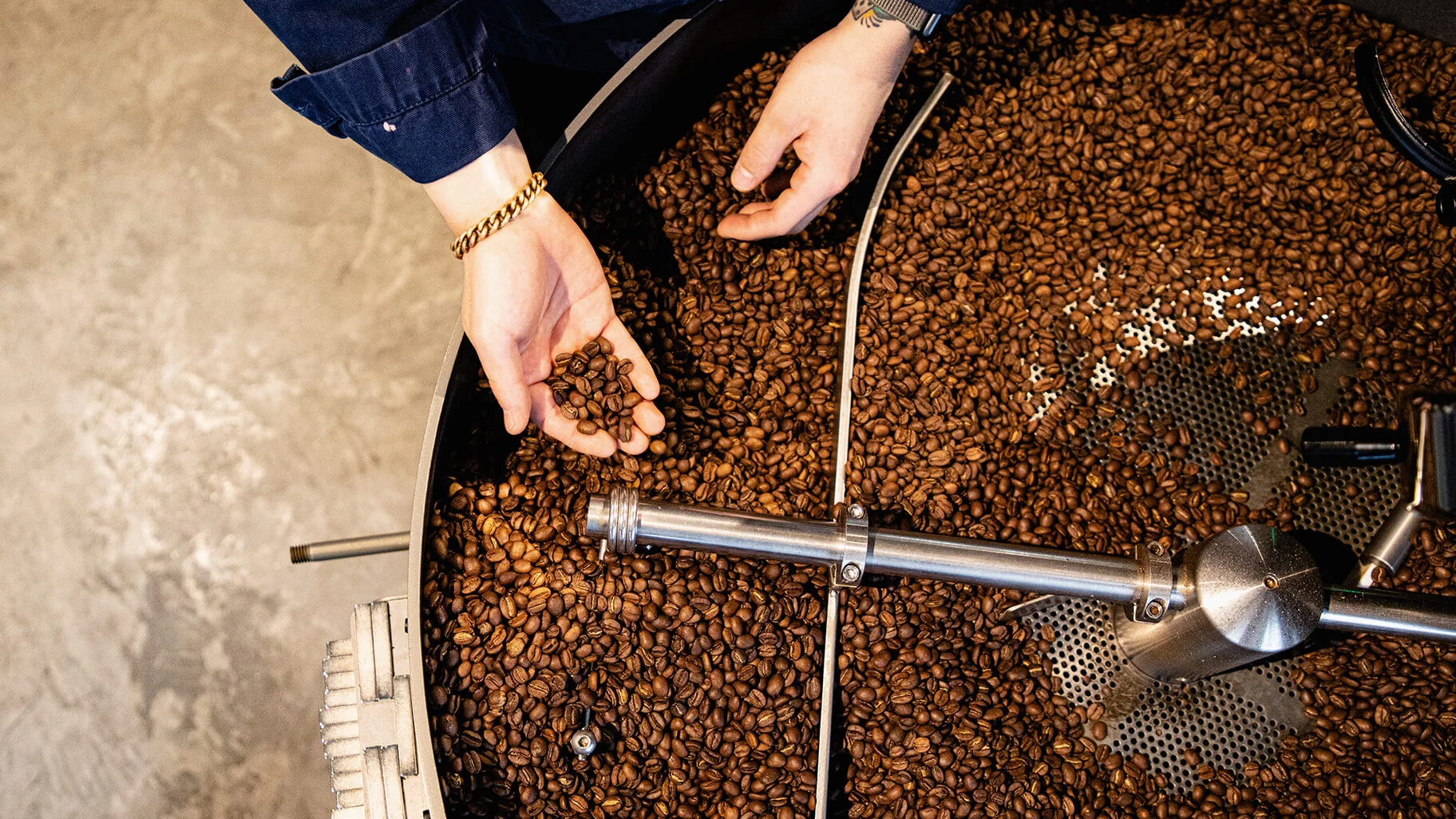
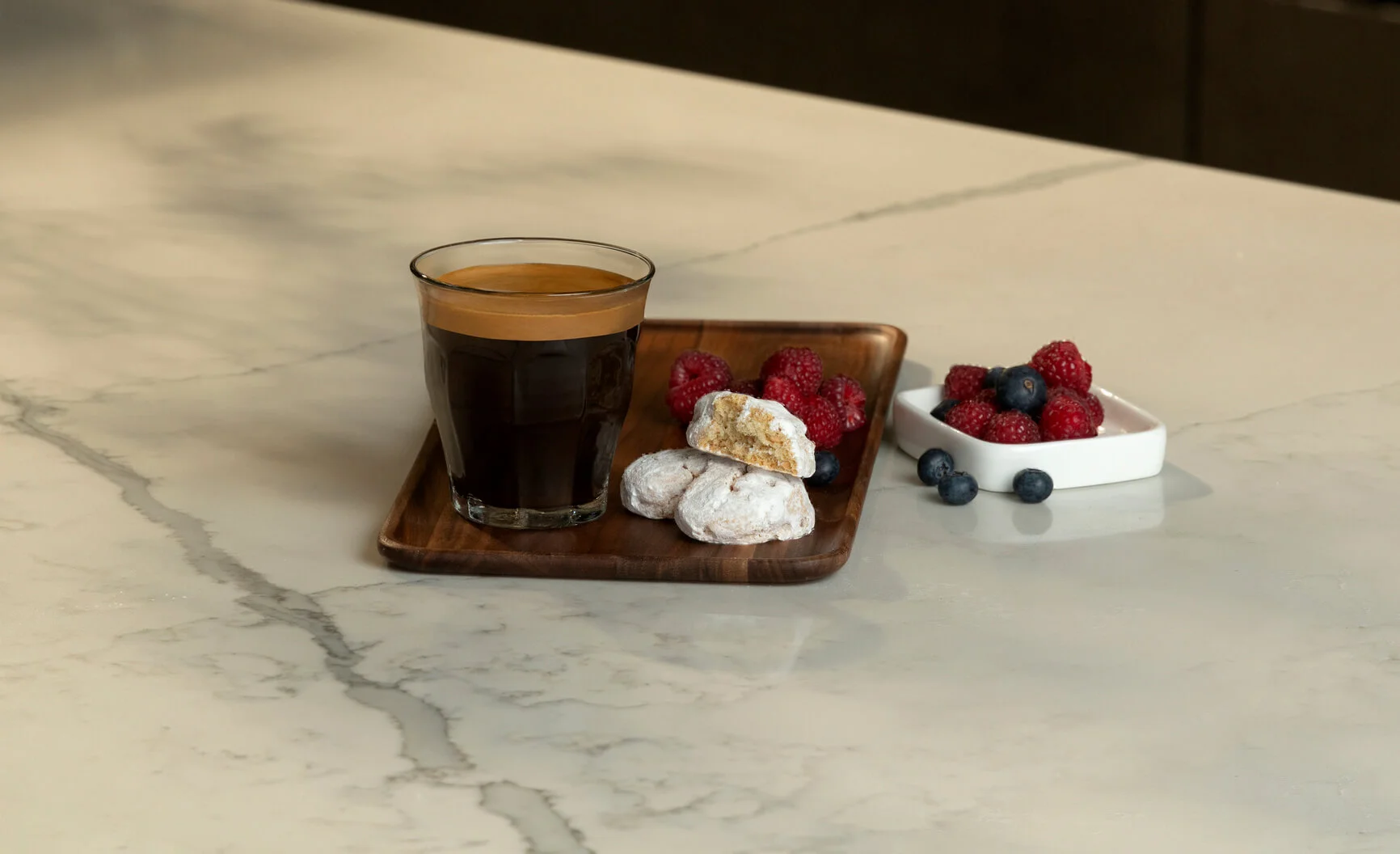
Freshly ground espresso produces crema, that bubbly layer of golden foam atop espresso. If the beans are too old or preground coffee is used, you may not achieve any espresso crema.
Milk choice is likewise crucial for creating the ideal latte art texture. Some varieties can be difficult to steam properly, such as:
● Low-fat milk
● Soy milk
● Almond milk
For beginners, whole milk offers a creamier texture and stable microfoam—ideal for learning how to do latte art pours and patterns.
The basics of milk steaming
With your espresso canvas prepped, it’s time to prepare your “paint”—that is, perfectly steamed milk.
How to steam milk for latte art
So, how do you foam milk like a professional barista? Achieving the smooth, silky microfoam texture ideal for latte art is a matter of five simple steps:
1. Fill the pitcher halfway with fresh, cold milk
2. Briefly turn on the steam wand to purge any residue
3. Position the steam wand just beneath the milk’s surface
4. Turn on the steam and tilt the pitcher slightly to create a vortex
5. Stop steaming just as the pitcher’s body becomes uncomfortably hot to touch
Allow the steam wand to “surface” slightly and aerate the milk, gradually lowering the wand deeper to accelerate the vortex and evenly mix the air.
Common steaming mistakes and how to fix them
Every artist, no matter how talented, makes mistakes. Here are some common issues you may encounter and methods for correcting them:
● Large bubbles mean too much air was incorporated. If swirling and tapping the pitcher doesn’t smooth them out, try lowering the steam wand’s position on your next attempt so you can have the perfect foam for your latte art design.
● Thin milk may indicate the opposite issue; not enough air was incorporated. Raise the steam wand’s position for greater aeration during the first few seconds of steaming to get the right milk texture.
● Burnt or scalded flavours occur when the milk is steamed for too long. Consider timing your attempts to better identify the ideal temperature.
With practice, steaming milk will become second nature, setting the stage for a perfect pour.
Step-by-step guide to creating latte art
With well-brewed espresso and textured milk in hand, it’s time to pour and make your latte art design. Your artistic technique can be summed up in three steps:
1. Lay the foundation – Begin pouring from a few inches above the cup, keeping a steady stream aimed at the centre to pierce the crema and mix below the surface.
2. Shape the design – As the cup fills, lower the pitcher closer to the surface, slowing the pour to allow patterns to take shape.
3. Add the final flourish – Use quick, precise motions to refine the pattern, finishing with a delicate pull-through.
Each latte art style follows these core steps, but slight variations will help create distinct patterns.
Popular latte art designs and how to make them
Once you’ve honed your pouring technique, challenge yourself with these beginner-friendly, beautiful designs.
Creating the classic heart
Simple yet iconic, the heart is the perfect starting point for new baristas:
1. Pour a steady stream of milk into the espresso’s centre to form a white dot
2. Bring the steam pitcher closer, slowing the pour
3. To complete the heart, lift and pull your pour through the centre in a single, smooth motion
Mastering the rosetta
A stunning design resembling a fern or leaf, the rosetta is a step up in complexity:
1. Start with a steady pour, just as you would for a heart
2. Once a white dot forms, gently move the pitcher side-to-side in a zigzag motion while continuing to pour
3. Slow the pour and pull through the centre to create a well-defined stem.
Crafting the elegant tulip
A more intricate floral-inspired pattern, the tulip is built through a series of layered pours:
1. Begin by pouring a small dot in the centre of the espresso.
2. Stop the pour momentarily, then pour another dot directly on top. Adjust the flow rate to maintain control over the layering.
3. Repeat this layering process several times to “stack” the pattern, keeping the design centred in the cup for symmetry.
4. Use a wide-mouth, bowl-like cup to give the milk more space to spread, enhancing the tulip’s definition.
5. Pull the pour through the centre to tie the layers together.
Bring cafe quality to your home with Sage
Gone are the days when stunning latte art was reserved for specialty cafes. With the right supplies and a bit of practice, you can learn how to pour latte art from the comfort of your own kitchen—heart, tulip, rosetta, and beyond.
But great artistry isn’t just about technique; it’s also about using the finest tools.
Sage equips budding latte artists with everything needed to hone their craft. From high-quality espresso machines and Nespresso machines to premiere espresso accessories, Sage empowers you to perfect your pour. Explore our lineup today.
Sources:
1. Coffee Science. How to do Latte Art – A Beginner’s Guide. https://www.coffeescience.org/latte-art-beginners-guide/
2. Crema Coffee Roasters. Latte Art Guide. https://crema-coffee.com/pages/latte-art-guide