Whether you’re just starting your coffee journey or you’ve been brewing for years, understanding the burr grinder vs. blade debate is key to making the most of your beans. This guide will walk you through the differences, pros, and cons, helping you find the perfect fit for your preferred brewing method—whether it’s a French press, drip coffee maker, or espresso machine.
Understanding coffee grinders and their importance
A coffee grinder is one of the most vital coffee accessories for any coffee lover. The type of grinder you use can impact not only the consistency of your grounds but also the flavour and aroma of your cup of coffee. Knowing the key differences between burr coffee grinders and blade grinders can help you elevate your brewing experience and get the best out of your coffee beans.
How the right grinder affects coffee flavour and consistency
Grind size plays a key role in determining flavour extraction and consistency. The size of the coffee grounds affects how quickly water extracts the flavours, making it an important factor in the brewing process.
● Grind size and extraction: The coffee grind size directly influences how the water interacts with the coffee grounds. A precise grind size ensures balanced flavours, while an uneven grind can result in over-extraction (bitter) or under-extraction (sour).
● Consistency matters: A good coffee grinder, particularly a burr grinder, produces uniform grind size, which is key for a consistent cup. Inconsistent grind sizes lead to uneven extraction, which can throw off the taste of your ground coffee entirely.
What is a burr grinder?
Burr grinders are a popular choice among coffee enthusiasts for their precision and consistency. These grinders use two abrasive surfaces, known as burrs, to crush coffee beans into a uniform size, making them ideal for everything from cold brew to Turkish coffee.
How burr grinders work
Burr grinders operate by crushing coffee beans between two rotating burrs. The distance between the burrs determines the grind size, allowing you to adjust settings for anything from a fine grind for espresso to a coarse grind for a French press.
Burr grinders also give you control over grind size, offering the flexibility needed for different brewing methods. You can fine-tune the distance between the burrs for the perfect grind size, whether you need coarse grounds for French press or a fine grind for Turkish coffee.
Conical vs. flat burr grinders
Burr grinders come in two main types: conical and flat burr grinders. Each has its unique features and benefits.
● Conical burr grinders: These grinders use a cone-shaped burr that produces a uniform grind size with less heat. They tend to be quieter and are often favoured for home use due to their efficiency.
● Flat burr grinders: Flat burrs are known for their precision, making them excellent for fine grinding. However, they generate more heat during the grinding process, which can affect flavour.
● Pros and cons: Conical burrs are typically quieter and more affordable, while flat burrs offer greater precision. The choice between the two often comes down to budget, preferred brew method, flavour of your final cup, and personal preference.
What is a blade grinder?
Blade grinders are a common choice for those new to coffee grinding due to their simplicity and affordability. These grinders use a spinning blade to chop coffee beans, similar to a food processor.
How blade grinders work
Blade grinders work by chopping the beans with a rapidly spinning blade. While this method is straightforward, it lacks the precision of a burr grinder.
With a blade grinder, you have less control over the grind size, as the spinning blade creates particles of varying sizes. This inconsistency can lead to uneven extraction and an unpredictable flavour profile, especially if you're aiming for a specific brew like cold brew or Turkish coffee.
Pros and cons of blade grinders
● Pros: Blade grinders are affordable, easy to find, and simple to use.
● Cons: The main drawback of blade grinders is their inconsistent grind size, which can lead to uneven extraction. Additionally, the rapidly spinning blade generates heat, which may affect the natural oils in the coffee bean, altering its flavour.
Key differences between burr grinders and blade grinders
Understanding the differences between these two types of coffee grinders can help you make an informed decision based on your brewing preferences and budget.
Grind consistency
Burr grinders are known for their ability to deliver a consistent grind size, which is key to achieving balanced flavour in every cup. The uniform grind they provide is ideal for a variety of brewing methods. For instance, when comparing espresso vs. drip coffee, burr grinders excel by producing the fine grind needed for quick, high-pressure extraction in espresso and the medium grind that suits the slower, even extraction of drip coffee.
Blade grinders, on the other hand, produce grounds of various sizes, leading to uneven extraction. The inconsistent grind size can result in a mix of over-extracted and under-extracted flavours, particularly noticeable in methods like cold brew and drip coffee.
Flavour quality
Burr grinders crush the beans slowly, reducing heat and preserving the natural oils that give coffee its rich flavour. The controlled grinding process ensures that the flavour profile of your ground coffee remains intact.
Due to the uneven grind size, blade grinders often lead to over-extraction or under-extraction, which can result in a bitter or weak taste. This inconsistency can make it difficult to achieve the full potential of your coffee beans.
Ease of use and maintenance
While burr grinders tend to be more expensive, they offer superior performance and longevity. Regular cleaning is needed to maintain the precision of the burrs.
Blade grinders are typically easier to clean and maintain, but the blades may dull over time, reducing their effectiveness and leading to further inconsistencies in grind size.
Choosing the right grinder for your brewing method
The best coffee grinder for you depends largely on your preferred brewing method and desired flavour profile.
Best grinder for espresso, French press, drip coffee, and more
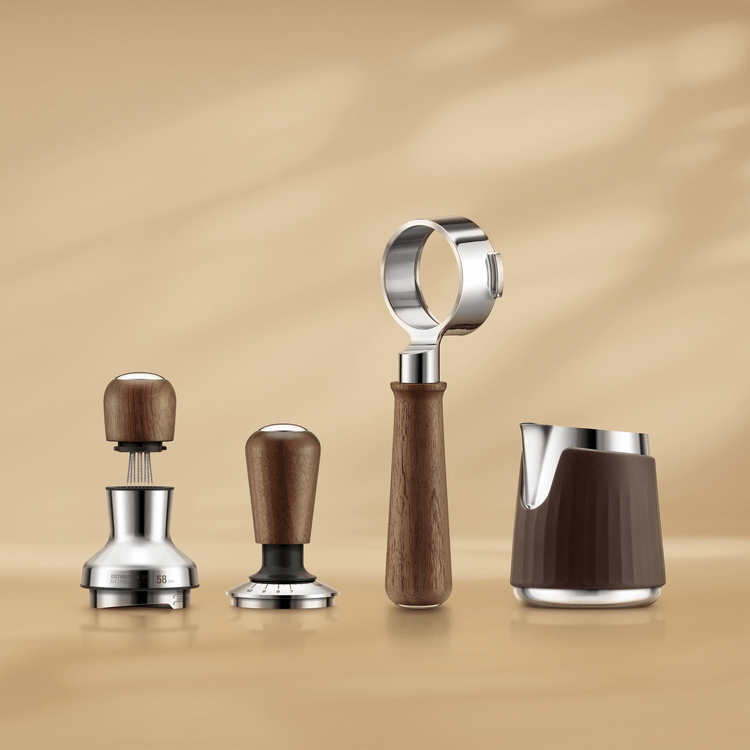
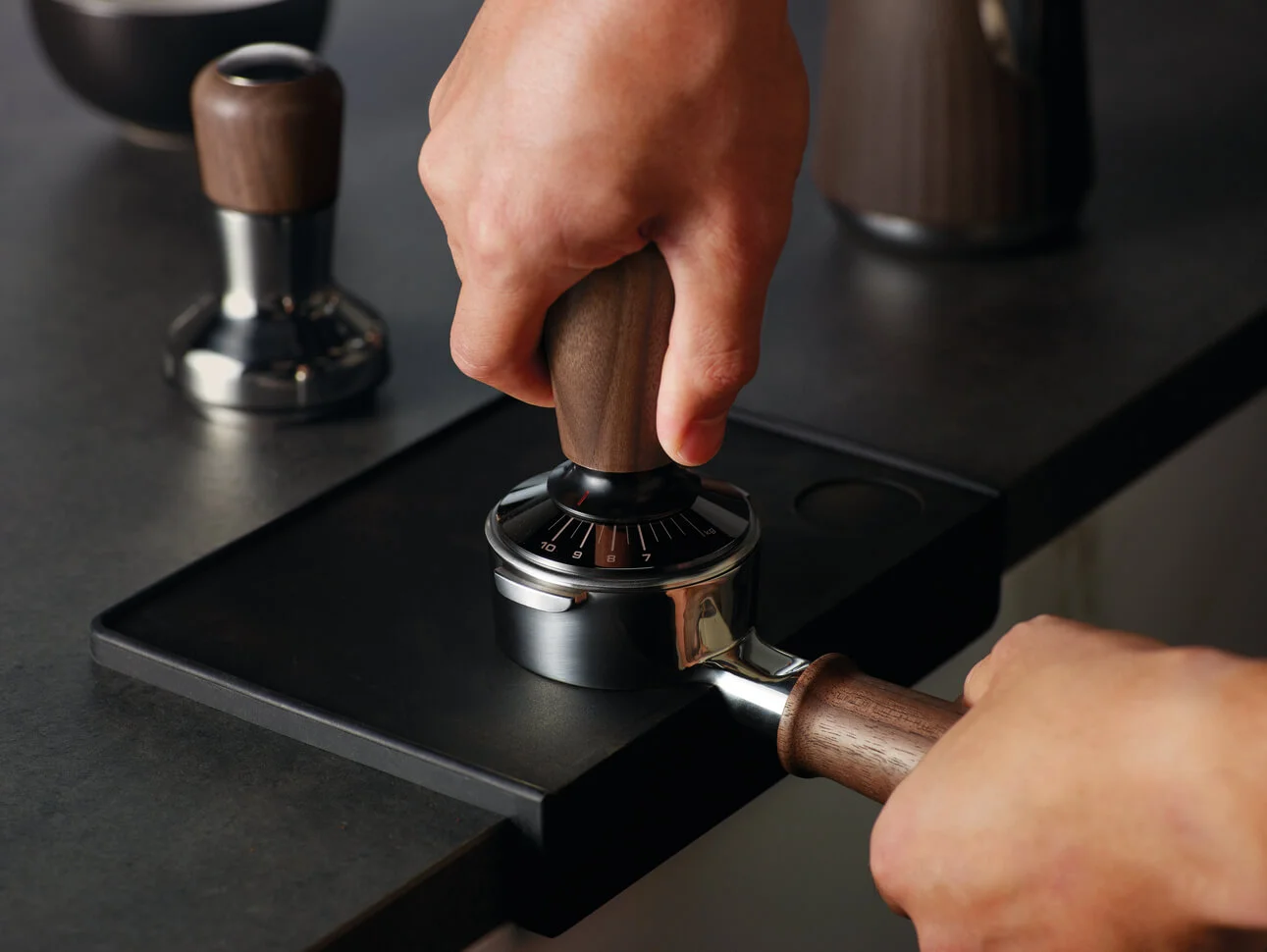
● Espresso machines: A burr grinder is essential for espresso brewing, as it provides the fine, consistent grind required for extracting rich, bold flavours. Proper technique, such as learning how to tamp espresso, is also fundamental for the best results.
● French presss: For French press brewing, a coarse grind is ideal to avoid over-extraction. Burr grinders offer the precise control needed to achieve a consistent, coarse grind.
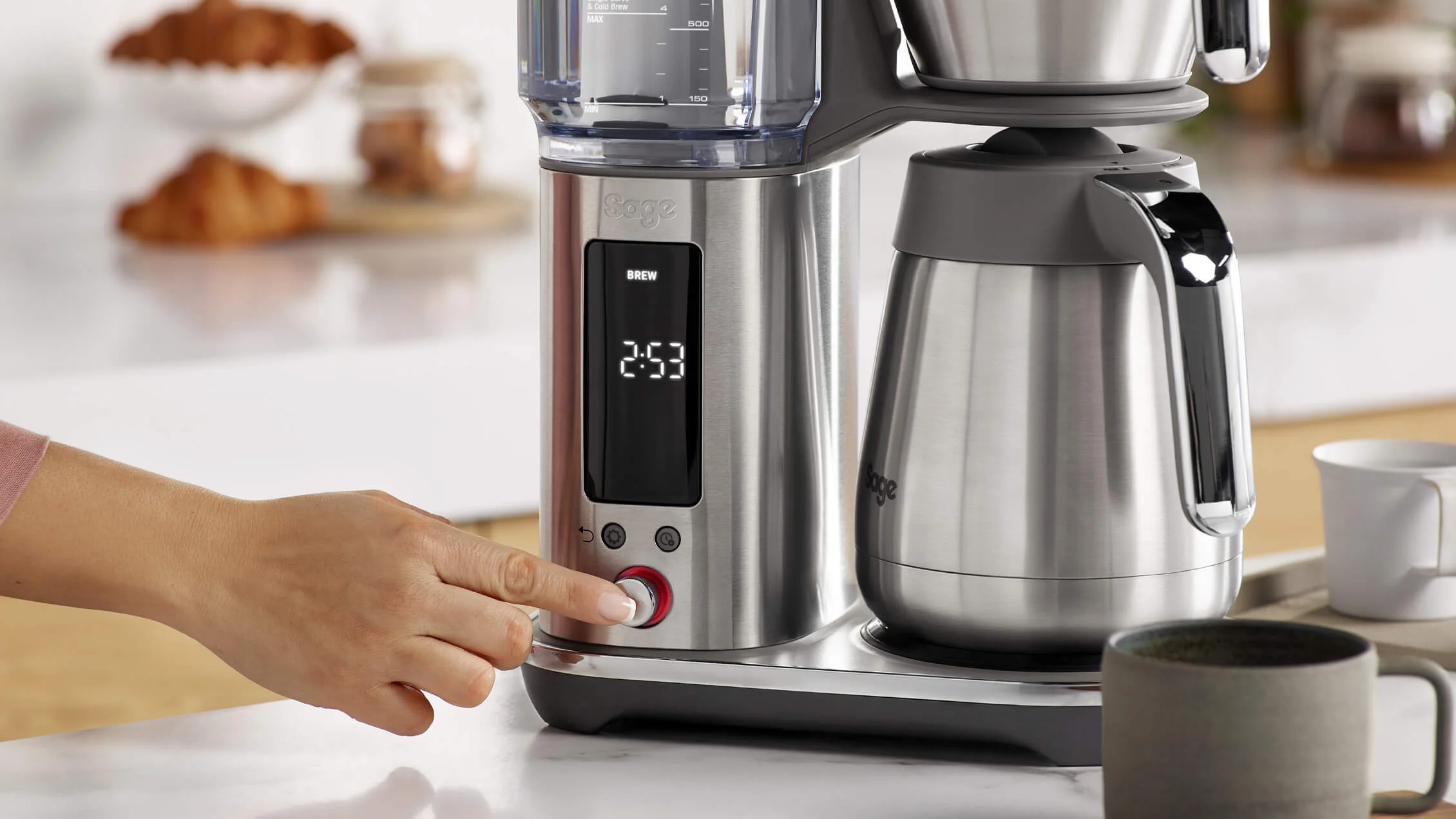
● Drip coffee makers: A medium grind size works best for drip coffee makers, providing balanced extraction and flavour. Burr grinders allow you to adjust the grind size easily for optimal results.
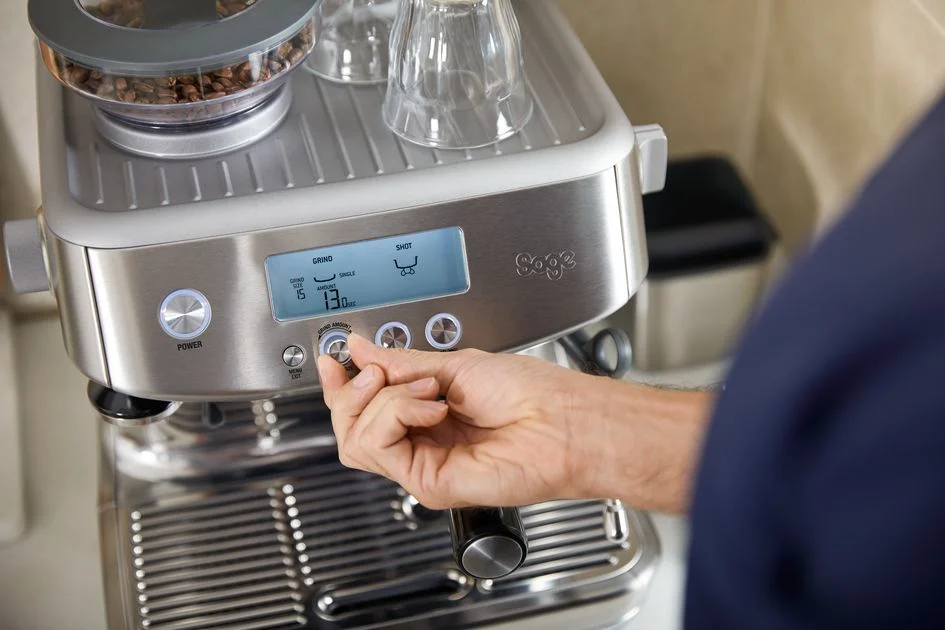
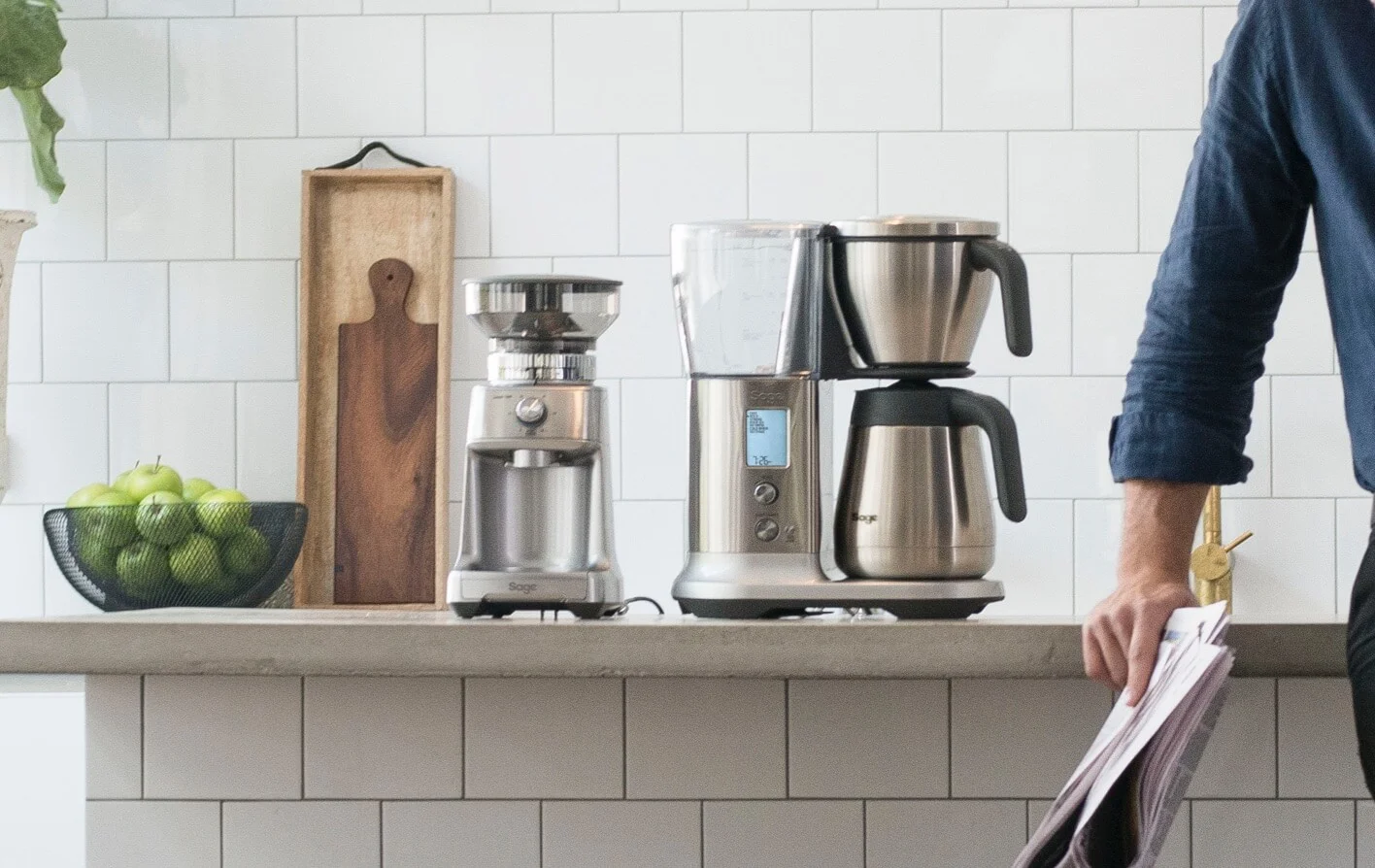
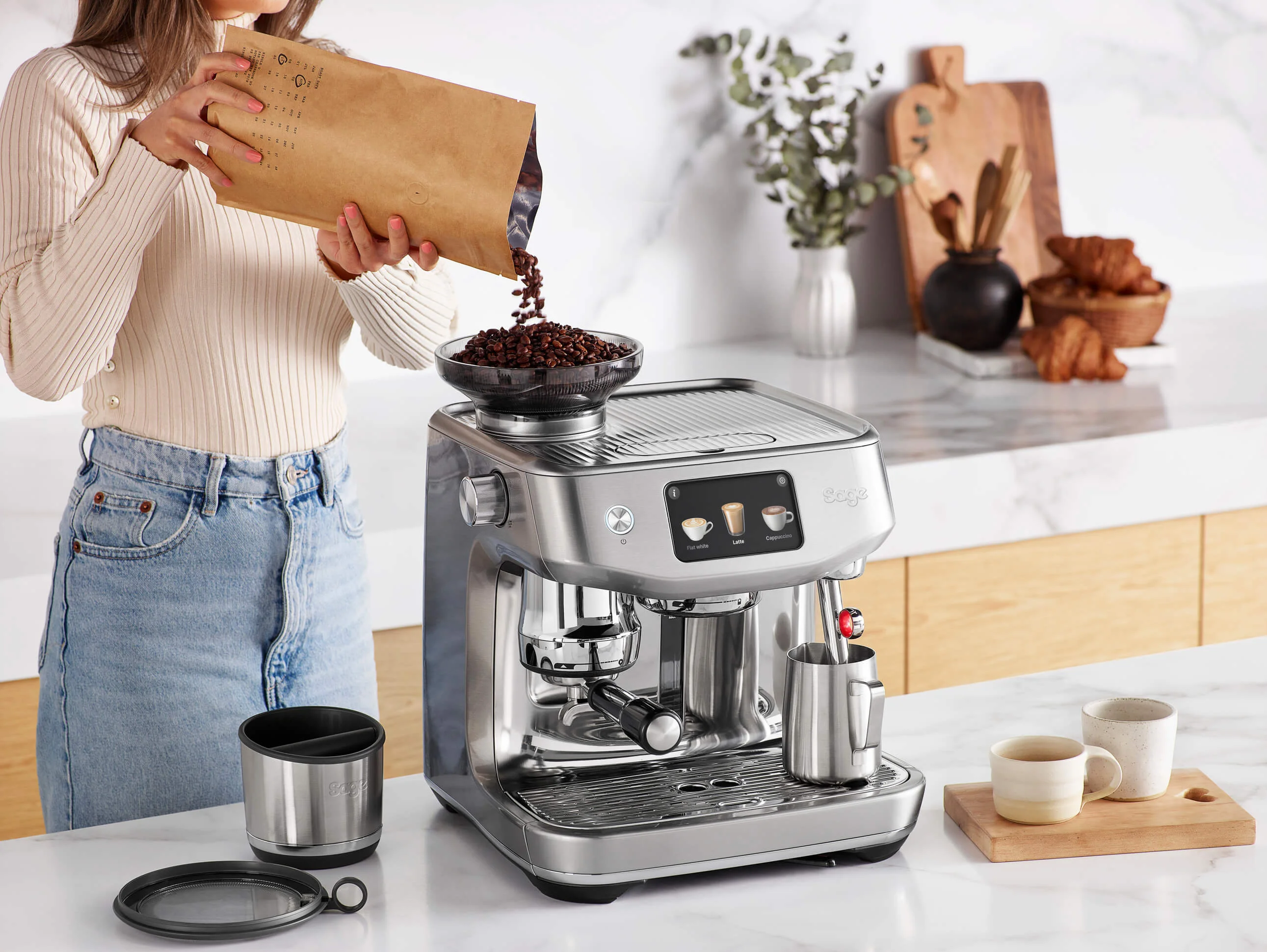
Expert tip: If you prefer versatility in your brewing, consider a burr grinder with adjustable grind settings, like the Smart Grinder™ Pro. This way, you can easily switch between fine espresso grounds, coarse French press grounds, and even extra fine grounds for Turkish coffee without needing multiple grinders.
Which grinder is best for you?
When it comes to choosing between a burr grinder vs blade grinder, the burr grinder will give you the best outcome every time. Burr grinders offer superior grind consistency and flavour preservation, making them the preferred choice for coffee enthusiasts who value quality.
At Sage, we understand the importance of having the right tools to elevate your coffee experience. From precision burr coffee grinders to versatile brewing accessories, our range of products is designed to help you make the most of every cup. Whether you’re a fan of espresso, French press, cold brew, or Turkish coffee, Sage has the kitchen appliances you need to create your perfect brew, every time.
Sources:
1. Barista Hustle. Coffee Extraction and How to Taste It. https://www.baristahustle.com/coffee-extraction-and-how-to-taste-it/.
2. Jiang, H., Zhang, Y., Xu, J., Wu, X., & Yang, L. (2019). Coffee extraction and its impact on flavor: A review. Foods, 8(6), 1-14. https://pmc.ncbi.nlm.nih.gov/articles/PMC6560105/
3. National Coffee Association. How to Brew Coffee. https://www.ncausa.org/about-coffee/how-to-brew-coffee.