This is why true coffee aficionados follow simple protocols to ensure their morning cup of hot coffee is perfectly balanced every time.
Perfect your coffee-to-water ratio, and you’ll have a flawless morning mug in no time.
What is the coffee-to-water ratio?
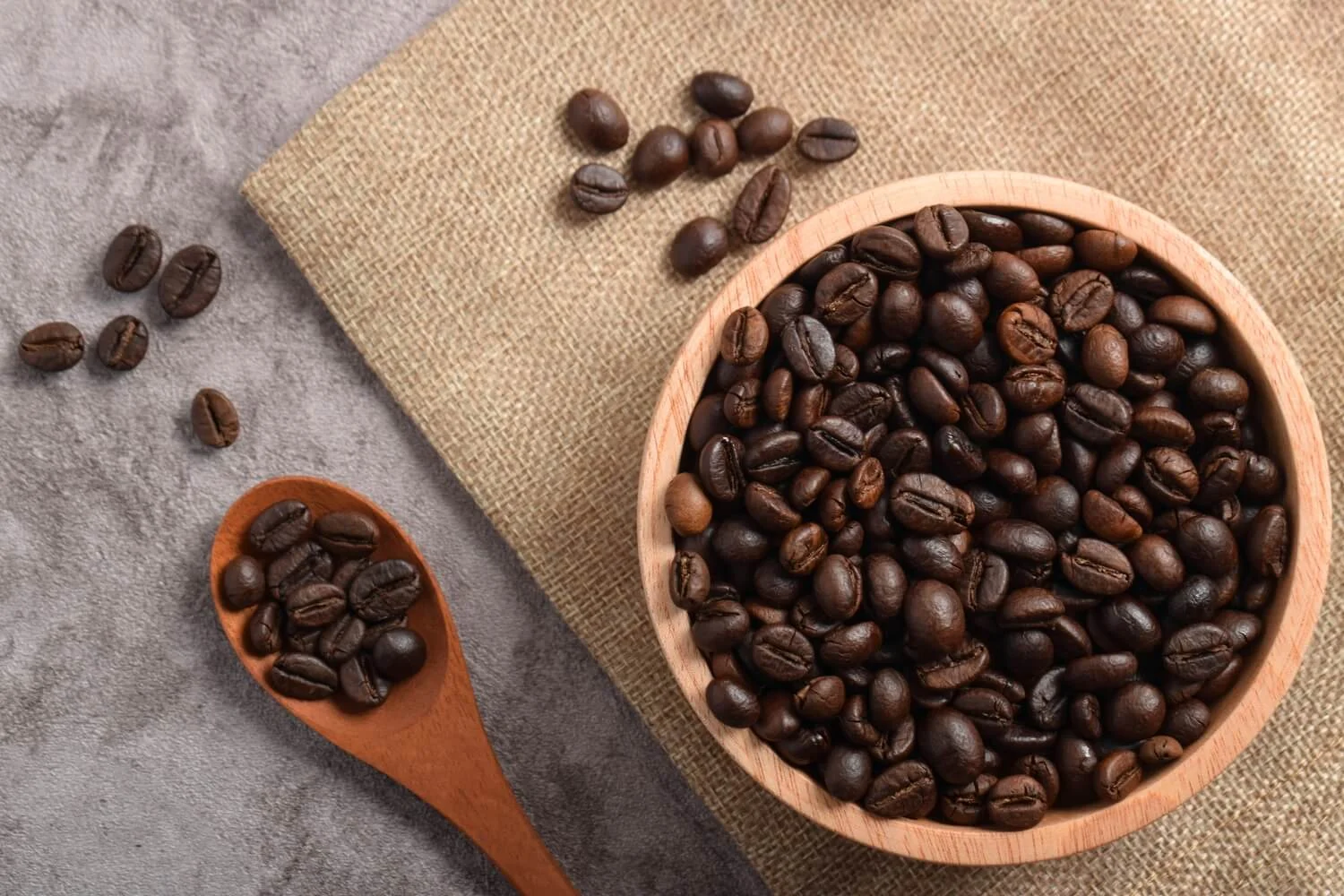
A common misconception surrounding coffee is that more coffee beans equal more flavour. While flavour largely depends on how the beans interact with water during extraction, it’s also about how well that extraction occurs. Each bean has a limit to how much flavour and caffeine it can yield—but in some cases, using more coffee can help achieve a stronger or more balanced brew, especially if extraction isn’t optimal.
Why the right ratio matters for coffee flavour
Hot water dissolves soluble compounds in the beans, which produces flavour. If you over-extract, the coffee will be bitter, burnt, and astringent. If you under-extract, the coffee will be sour and a bit thin.
So, even if you like an intense flavour, you don’t want to overdo it on the beans.
Standard coffee-to-water ratios explained
The “golden ratio” for filter coffee usually falls somewhere between 1:16 and 1:18—meaning that for every gram of coffee, you will use 16 (or 17 or 18) grams of water. To make sure you’re measuring accurately, use a coffee scale.,
How ratio impacts strength, acidity, and balance
As mentioned, your coffee-to-water ratio has a significant impact on your final cup. If your brewing ratio is off, you risk over- or under-extracting your brew.
Over-extracted coffee tastes overly bitter, while under-extracted coffee tastes sour, acidic, and watery.
Best coffee-to-water ratios for different brewing methods
While a golden ratio does exist, there’s room to experiment with that ratio—particularly if you’re trying different brewing methods. In fact, the exact right ratio for you will depend on your preferences and your brewing method.
Filter coffee maker ratio
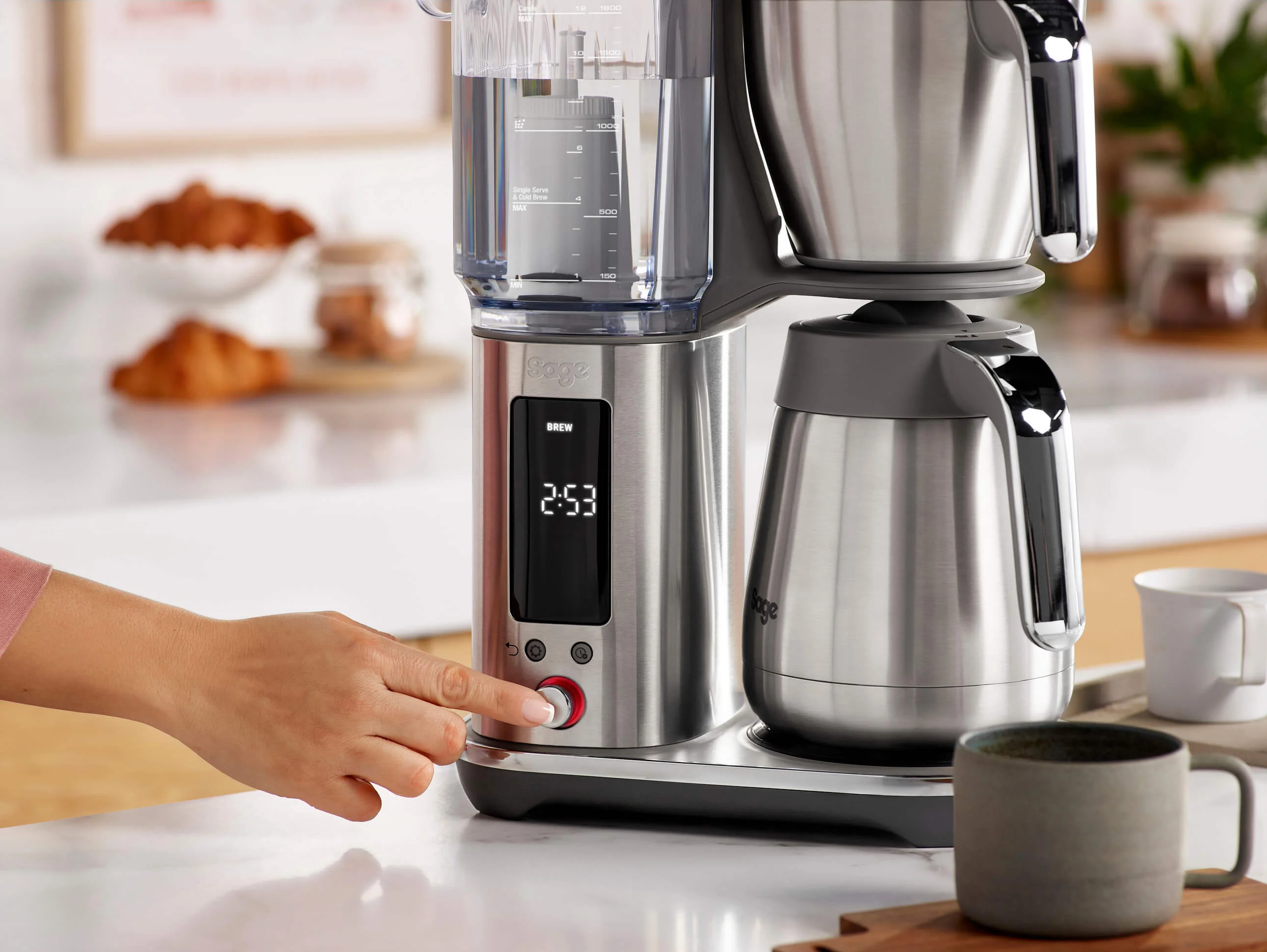
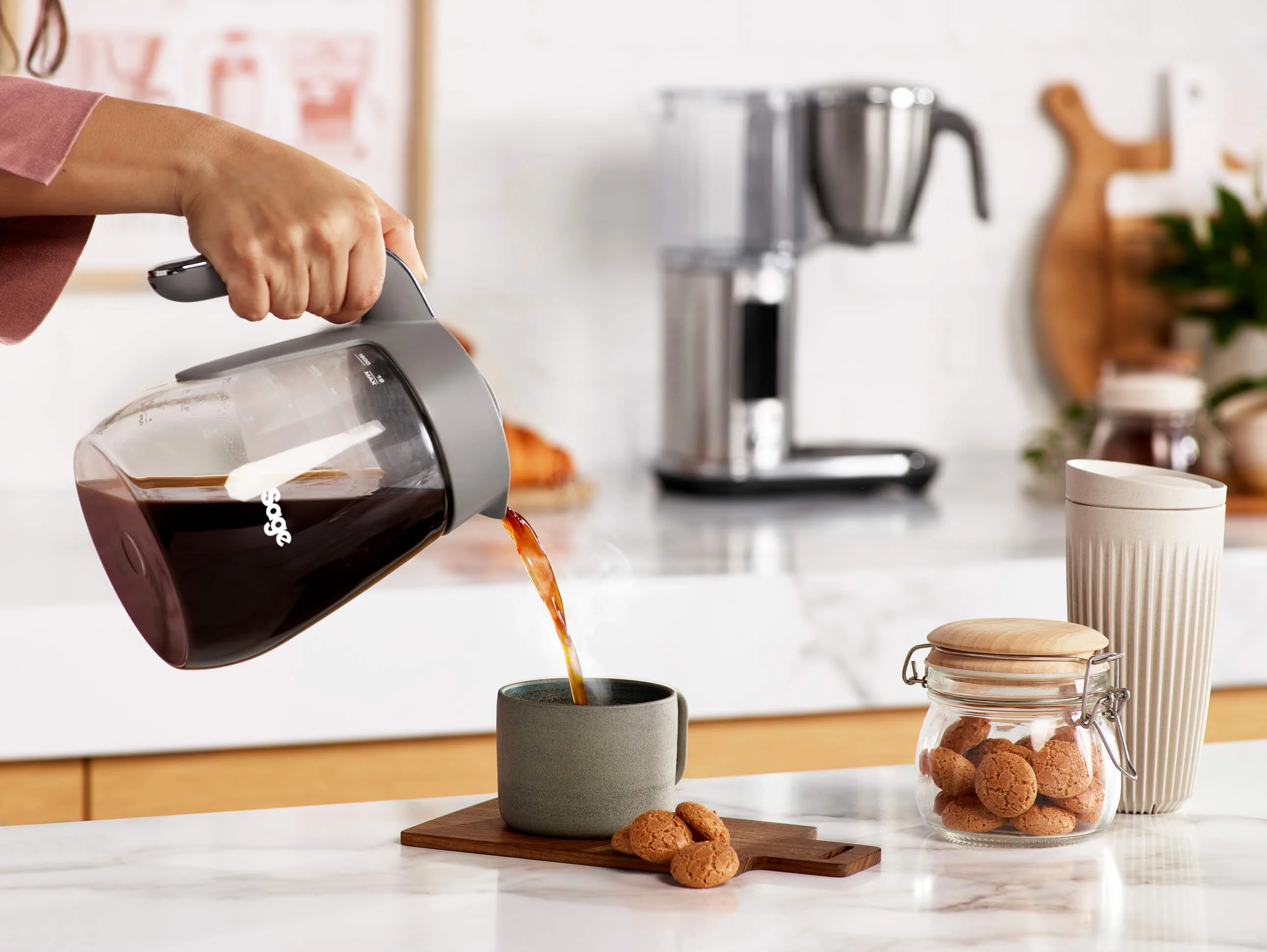
Filter, otherwise known as drip coffee, is a classic—it’s convenient, foolproof, and universally beloved. The most typical filter coffee brewing method is adding hot water over ground coffee beans in a filter. This allows the water to extract all of that delicious flavour as it passes through the beans.
A good ratio for filter coffee is somewhere between 1:16 (for a stronger brew) and 1:18 (for something lighter).
French press ratio
The French press is a fan favourite due to its rich, full-bodied taste and its unbeatable style.
A French press brews coffee with an immersion method, meaning that the water steeps in the coffee grounds rather than passing through them.
For this method, use a coffee-to-water ratio of 1:14 or 1:15.
Pour-over ratio
Similar to the drip method, pour-over brewing involves running water through coffee grounds to extract coffee flavours.
The pour-over is like the manual version of the drip method. However, it offers better control of variables like water temperature, water speed, and the amount of time the coffee brews. Generally, a ratio of 1:16 to 1:18 is acceptable. You can use a pour-over coffee kit to streamline the process and ensure the perfect coffee ratio every time.
Cold brew ratio
Cold brew coffee is made by steeping coffee for several hours to create a concentrate and then diluting the concentrate with water. Depending on your preferences and the strength of your concentrate, shoot for a ratio of between 1:5 and 1:8 when preparing cold brew coffee.
Espresso ratio
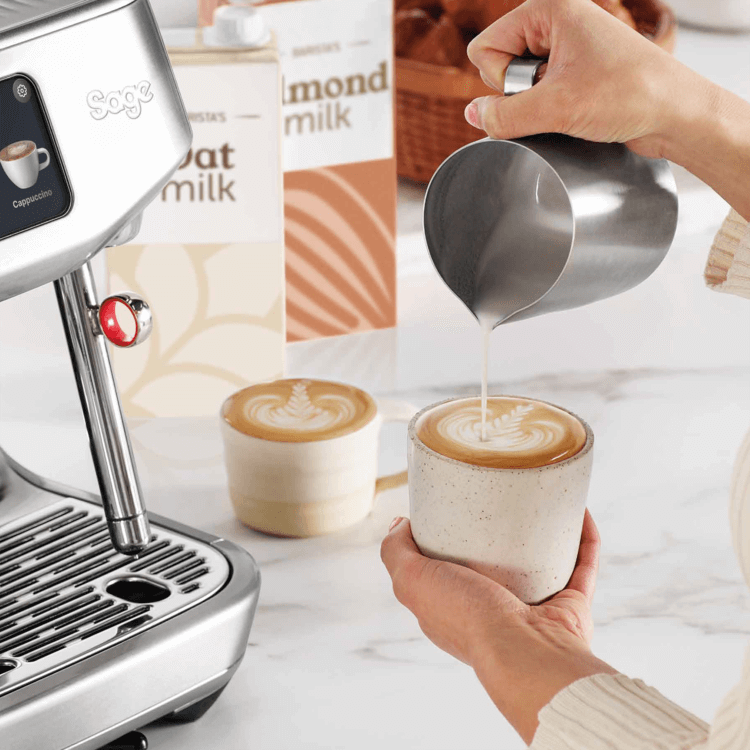
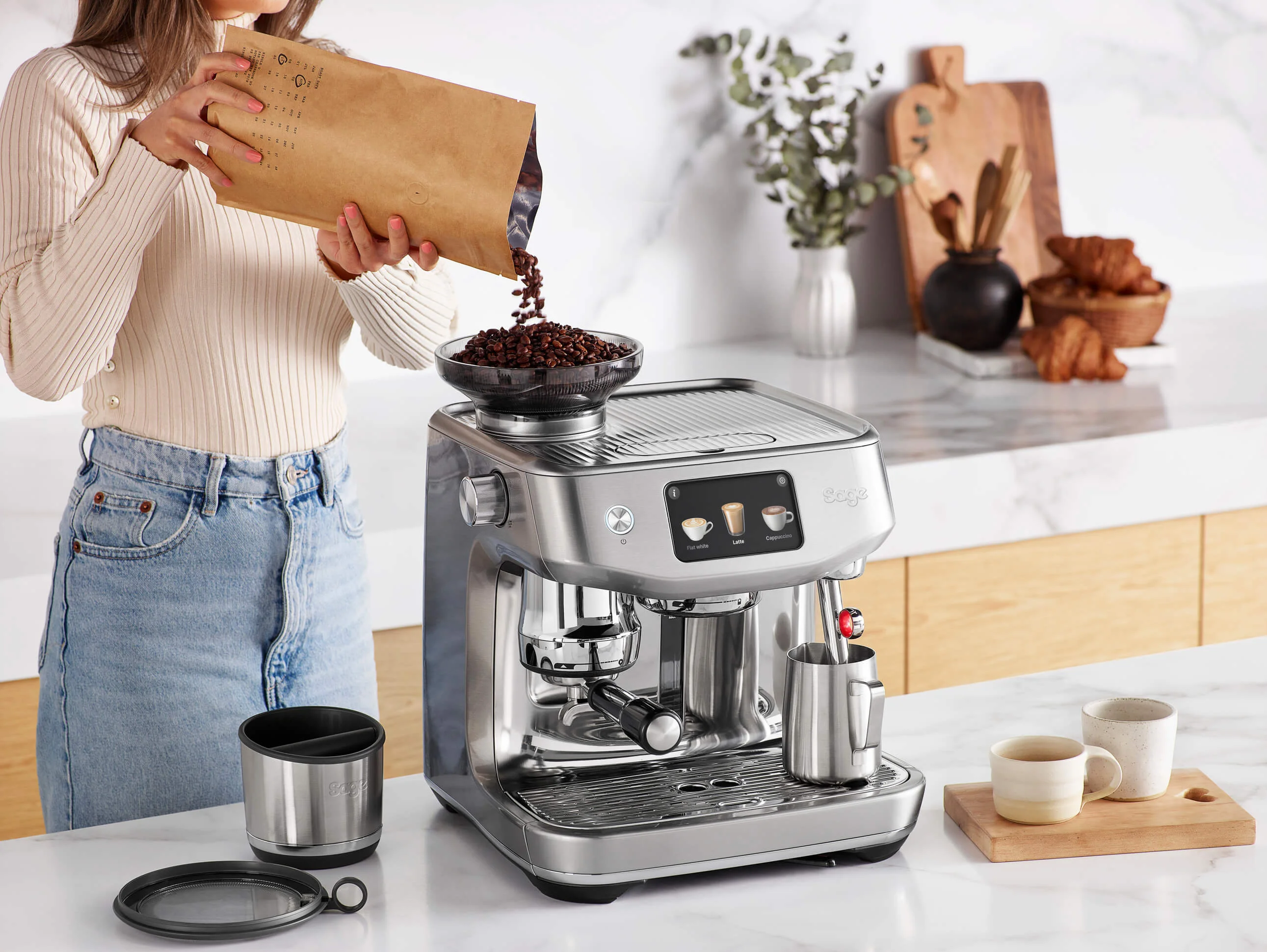
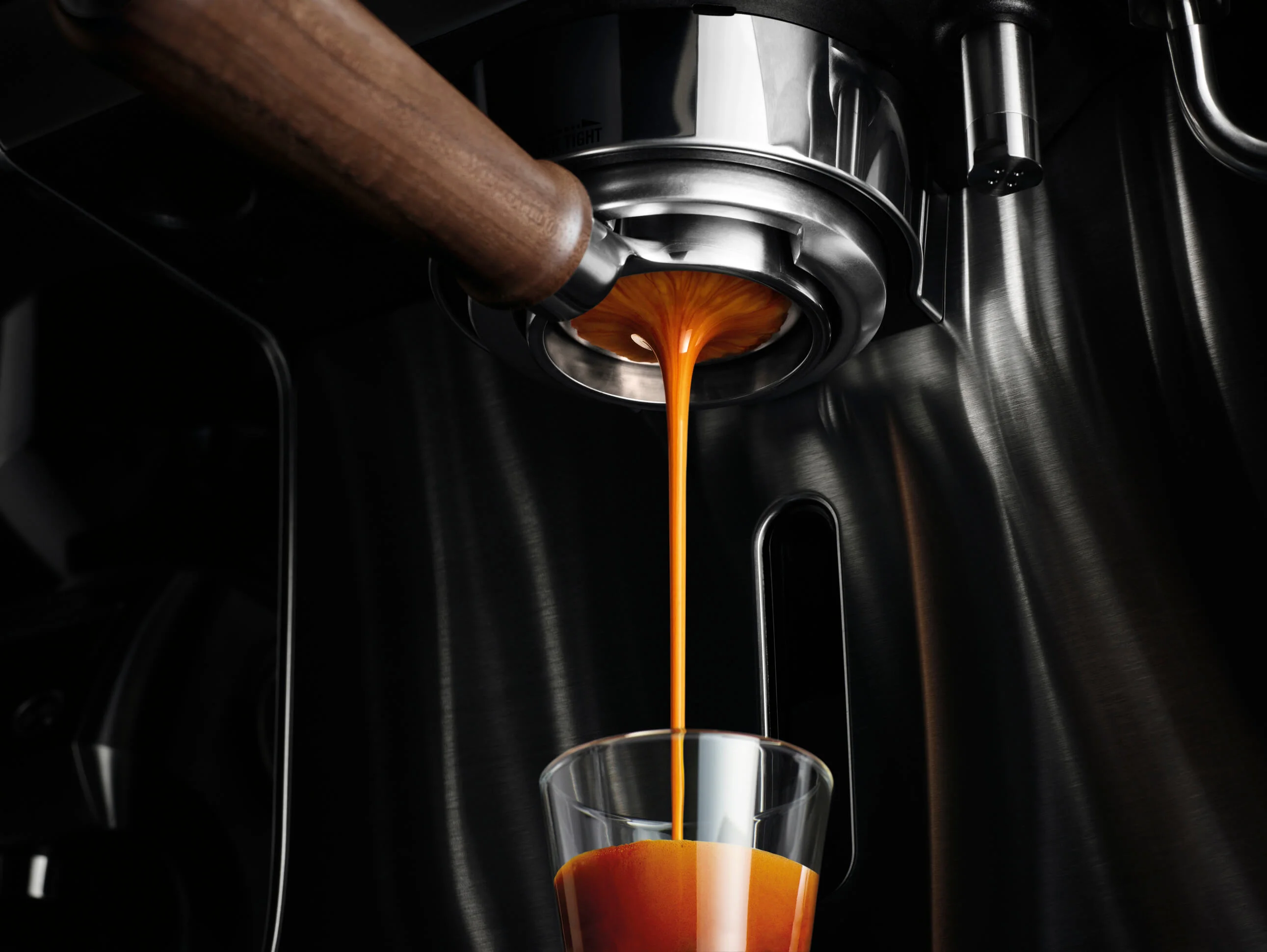
Espresso is famous for packing a punch, so you can probably guess that its brewing ratio will be a little different from something like drip or French press coffee. For a proper espresso, opt for a brew ratio anywhere from 1:1 to 1:3.
Adjusting the coffee-to-water ratio to suit your taste
Although coffee-making can often be boiled down to a science, there’s also a fair bit of art involved.
To that end, feel free to experiment with these precise ratios to figure out just how you like it, as well as other factors like:
● Thegrind size of your coffee
● The minerality and pH of your water
● The quality of your appliances
How to make your coffee stronger or weaker
For a richer, more complex cup, stick to a lower ratio of coffee-to-water; vice versa for a milder brew.
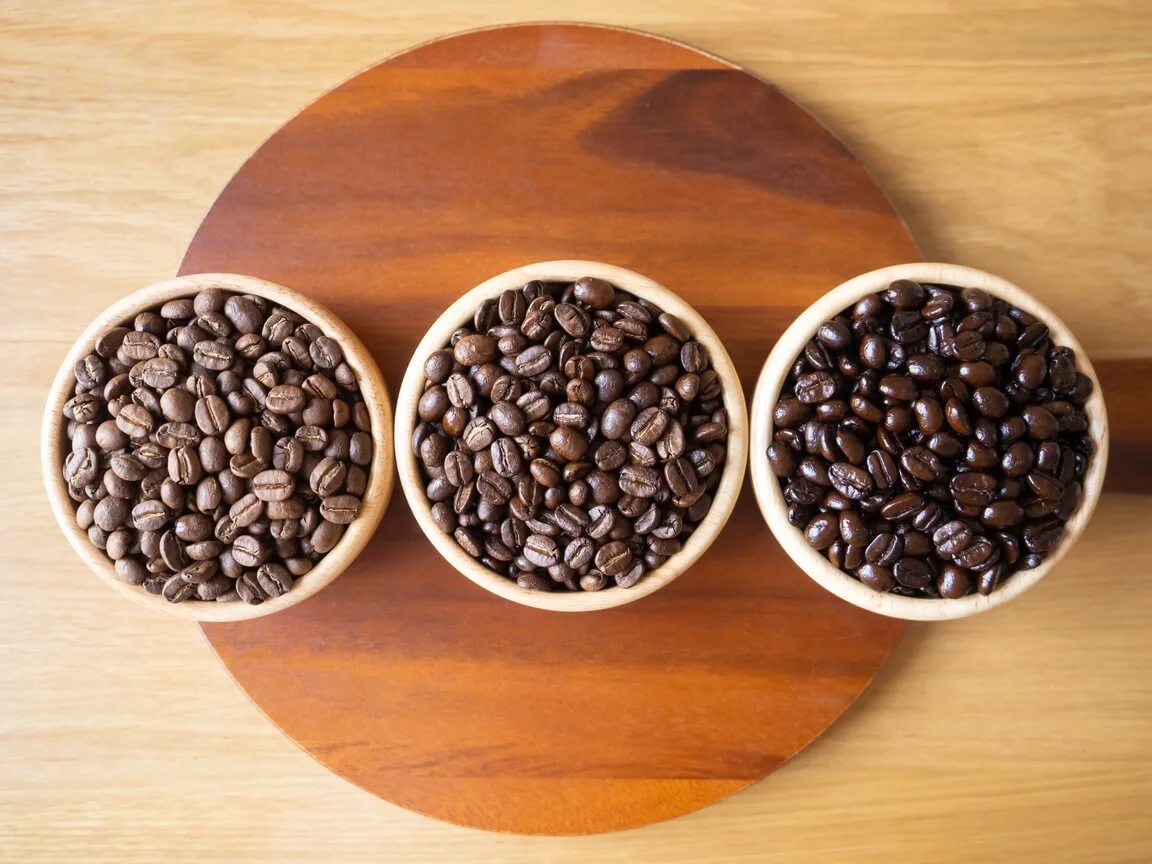
You might also experiment with other variables. For example, dark-roasted coffee is more intense and full-bodied, while light-roasted beans are more caffeinated.
Brew the perfect cup every time
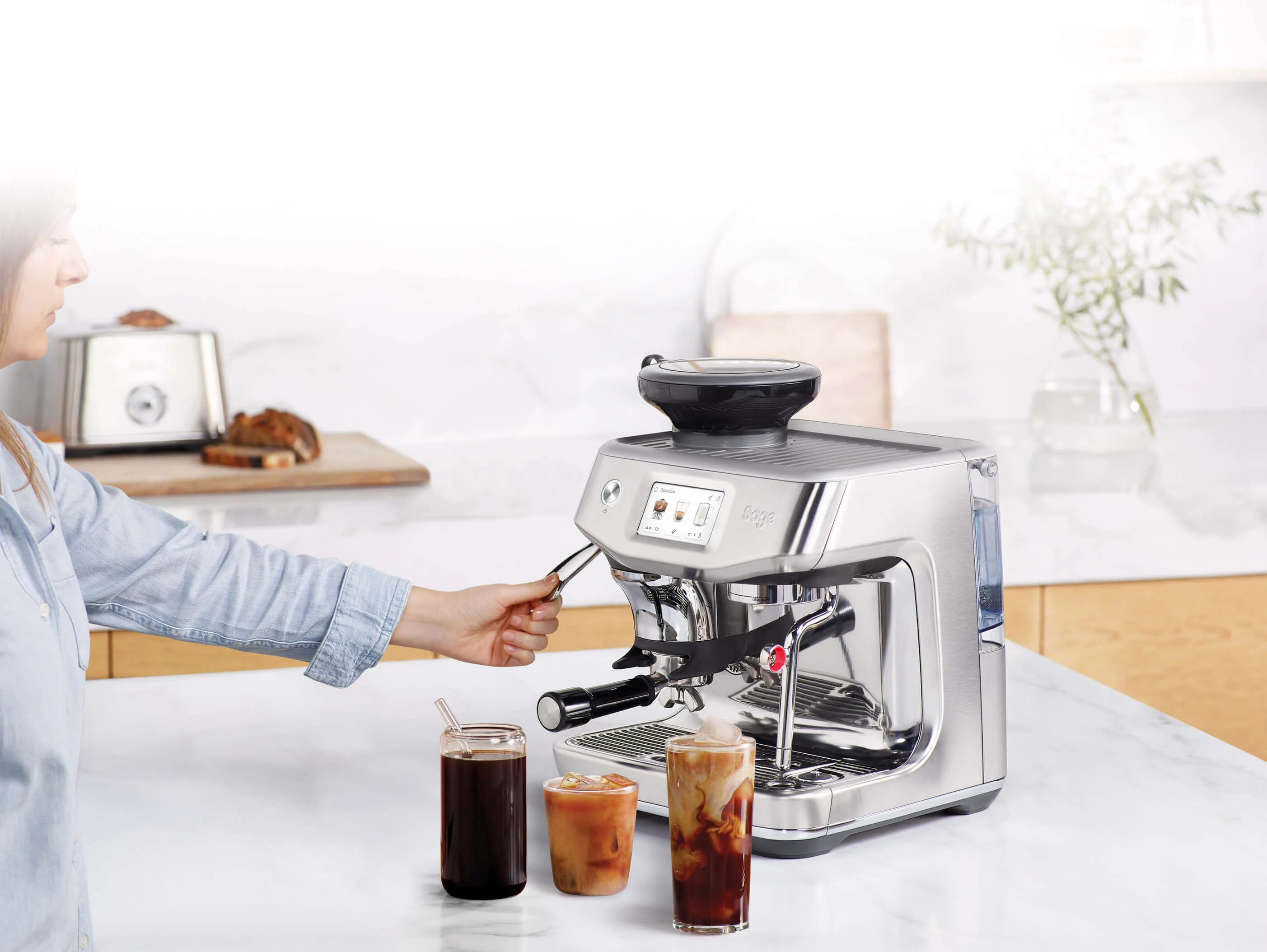
Whether you’re pulling an espresso or brewing a pot of drip, you’ll want to make sure your appliances aren’t sabotaging your technique. Factors like brew time and temperature precision are paramount to the perfect cup.
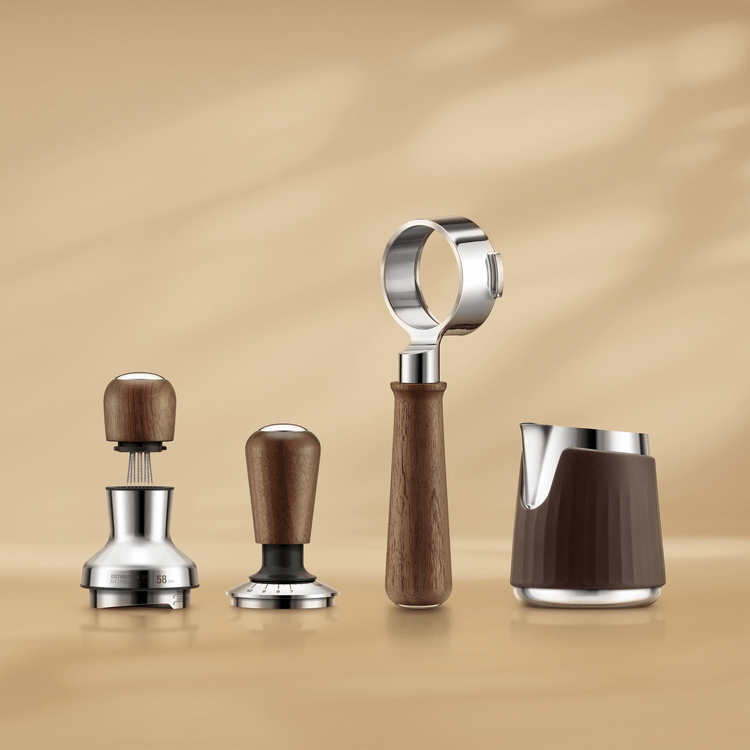
At Sage, all of our appliances are designed with these factors in mind. From coffee makers to coffee grinders and more, Sage appliances are both innovative and stylish—because we know something as important as your morning coffee can’t be compromised.
Shop our collection today to see the Sage difference for yourself.
Sources:
1. Bon Appétit. The Absolute Most Important Factor in Brewing Great Coffee. https://www.bonappetit.com/story/the-absolute-most-important-factor-in-brewing-great-coffee?srsltid=AfmBOoqYOq86wQqSc0g9jP8oqulV7cYHAJNWvE4nguj1QO0jMp28EFso
2. Food Network. What’s the Ideal Coffee-to-Water Ratio? https://www.foodnetwork.com/recipes/articles/coffee-water-ratio
3. Martha Stewart. 8 Reasons Your Coffee Tastes Bitter—and How to Brew It Right. https://www.marthastewart.com/how-to-make-coffee-less-bitter-8786727