Whether you're an aspiring barista or a seasoned coffee enthusiast, understanding crema—the golden, creamy foam that forms on top of a freshly pulled espresso—can elevate your espresso shots from good to exceptional.
What is espresso crema?
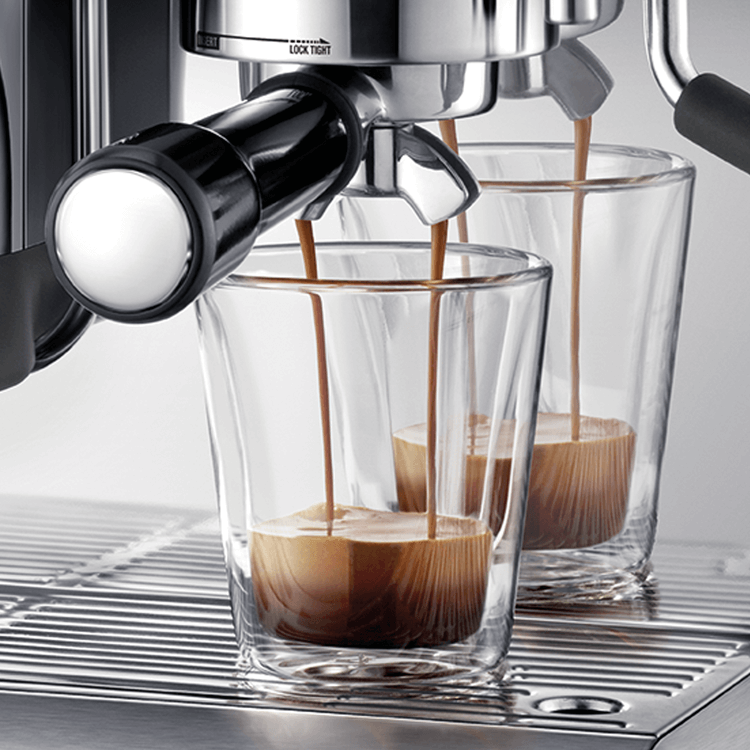
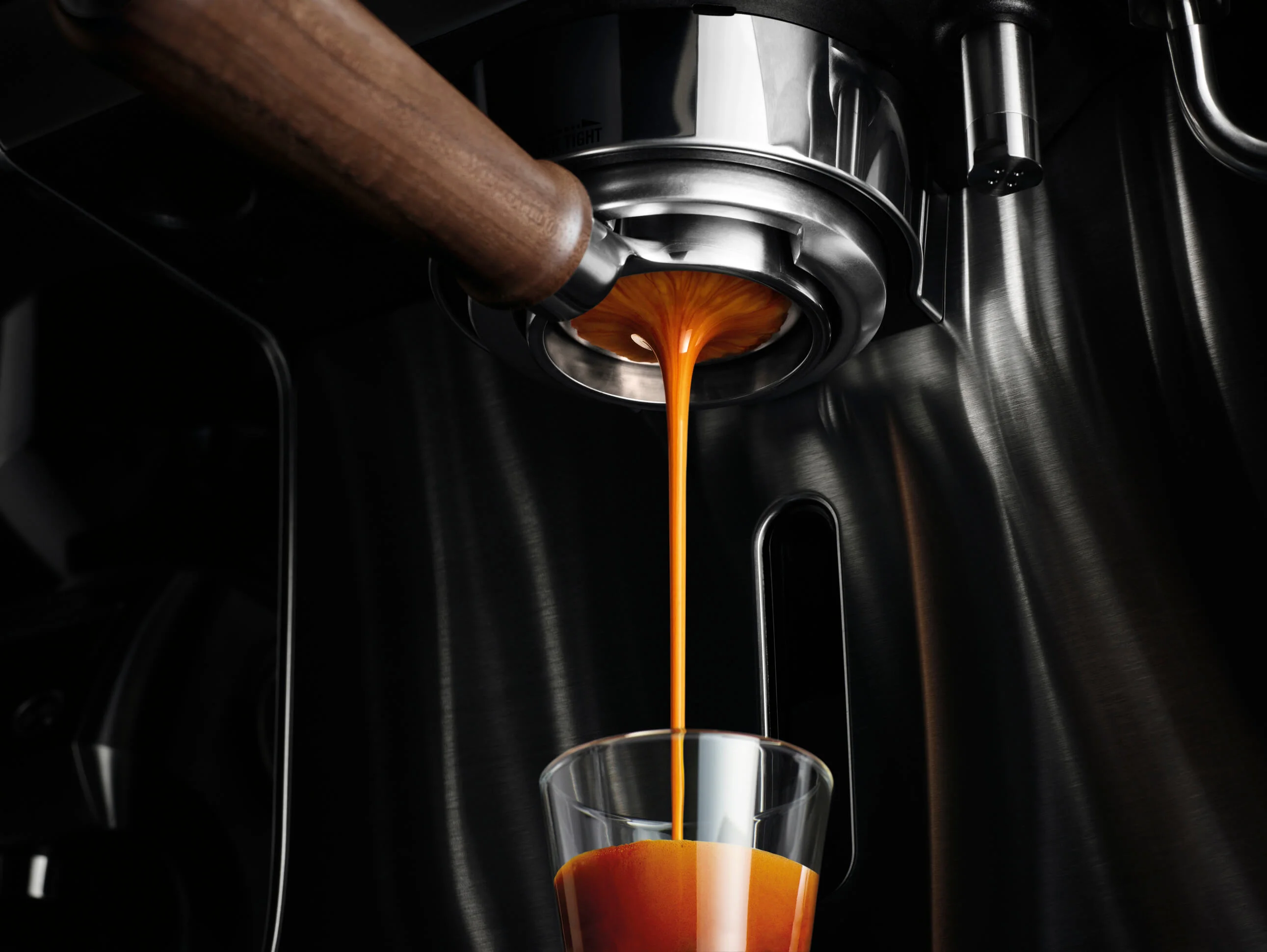
Espresso crema is the light, creamy foam that sits on top of an espresso shot. This layer is rich in flavour and aroma, and its presence is a sign of a well-extracted brew. Crema consists of coffee oils, tiny air bubbles, and fine, suspended coffee grounds, all of which are emulsified during the espresso brewing process.
How to achieve the perfect espresso crema
Crafting the perfect coffee crema is a fine art that depends largely on the equipment you use, the freshness of your coffee, and your technique.
Choosing the right espresso machine
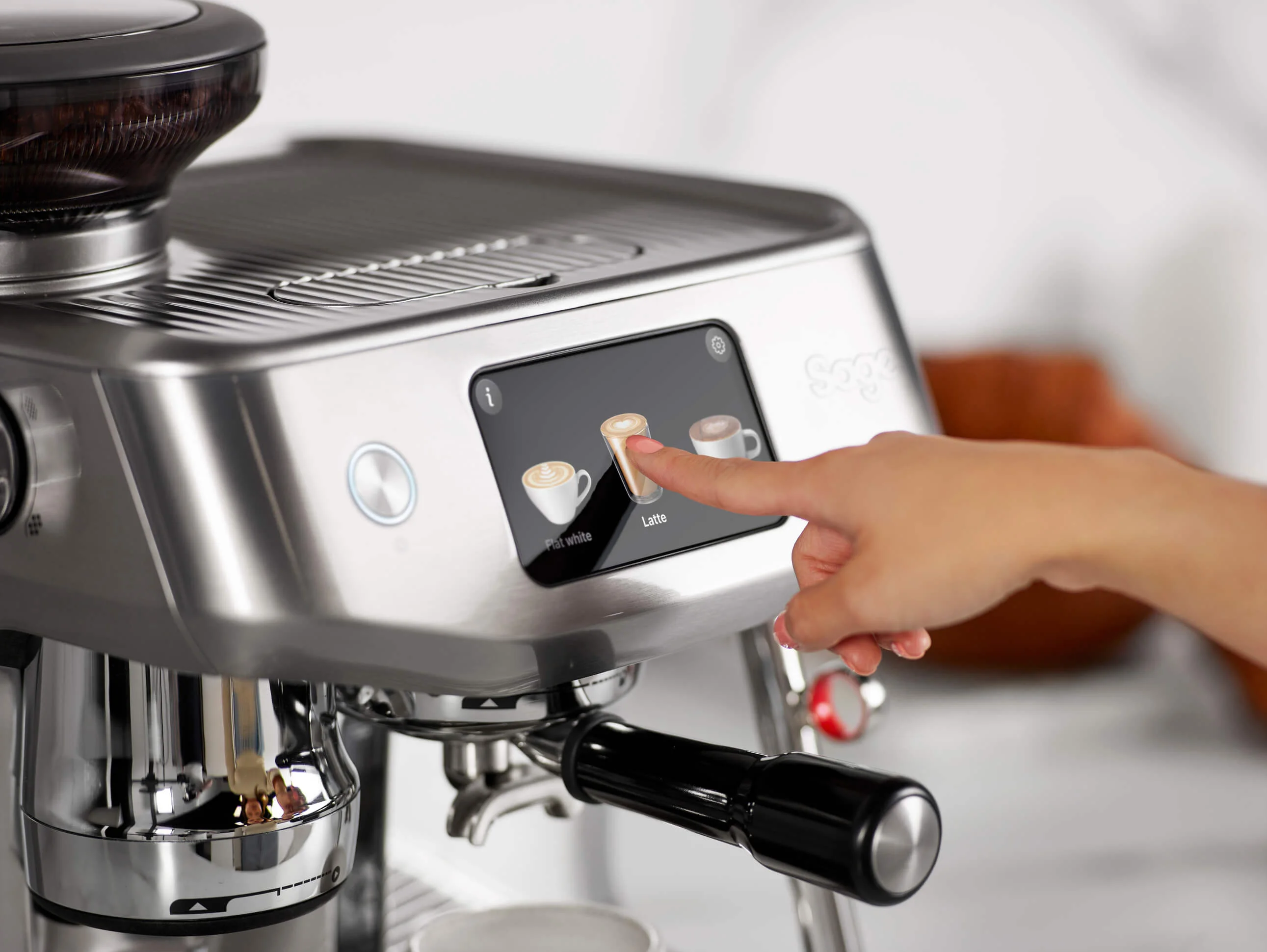
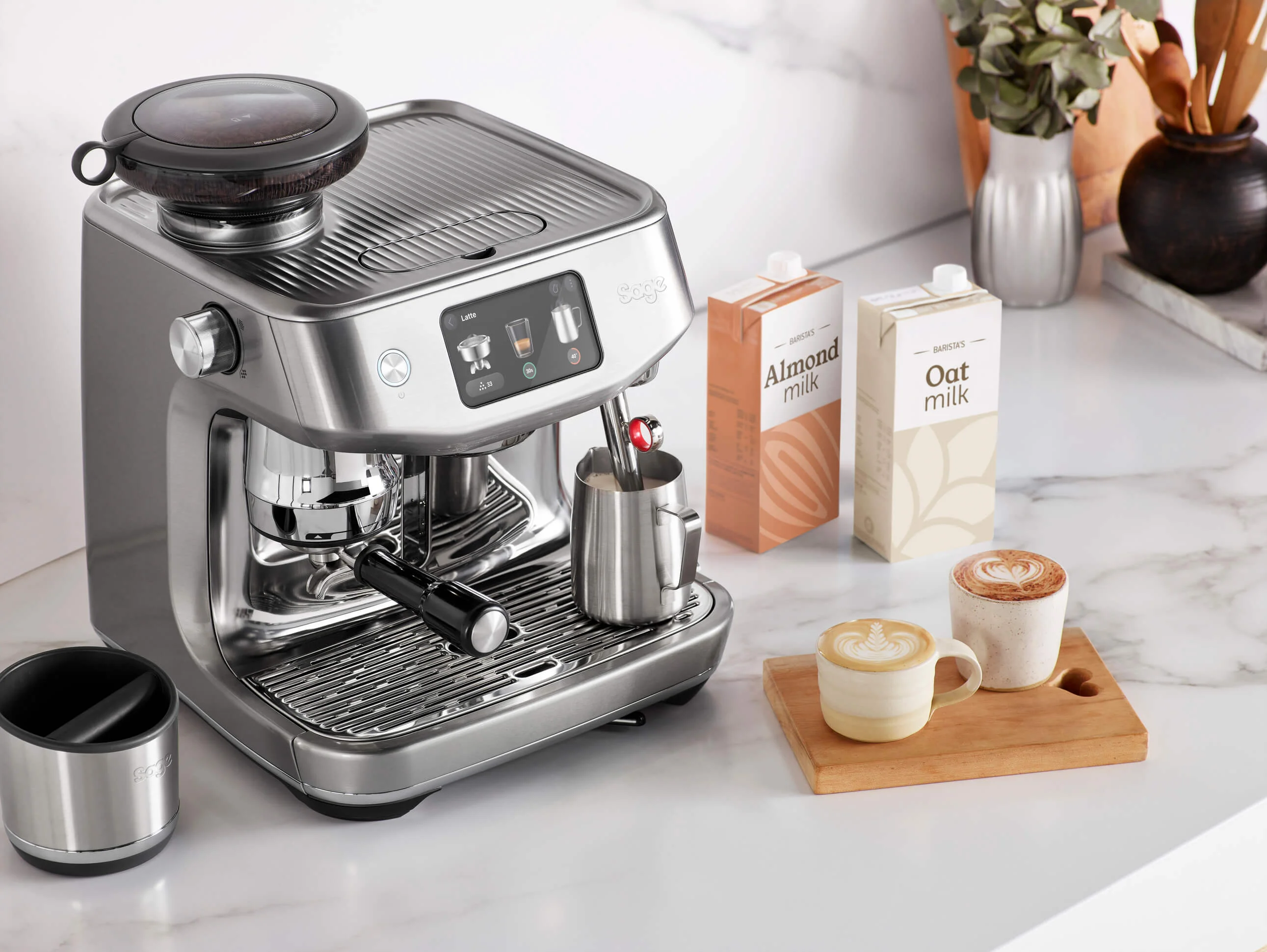
A high-qualityespresso machine is foundational to achieving excellent crema espresso. Look for machines that offer precise pressure control and stable temperatures to ensure consistent extraction.
The importance of fresh coffee beans
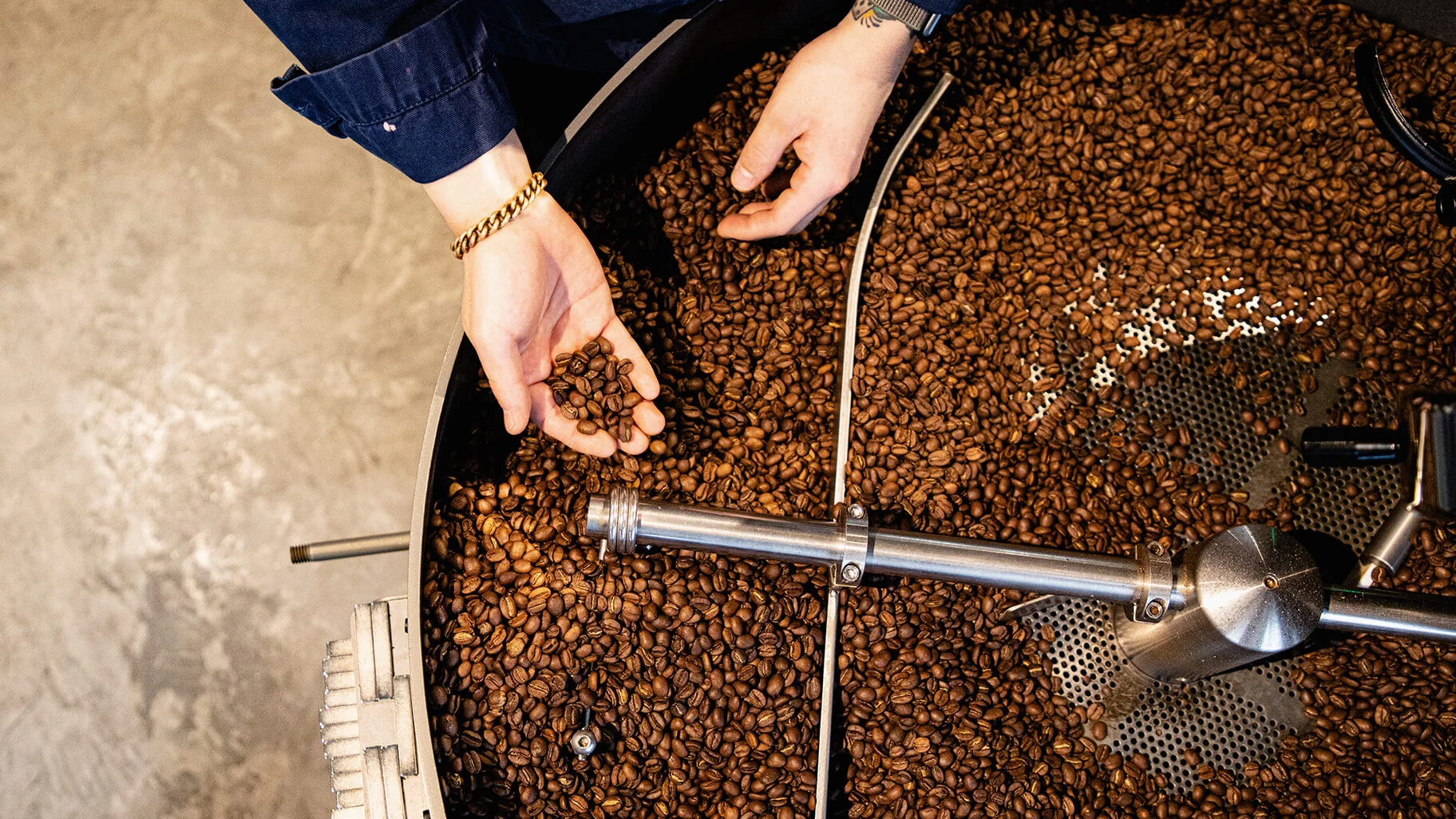
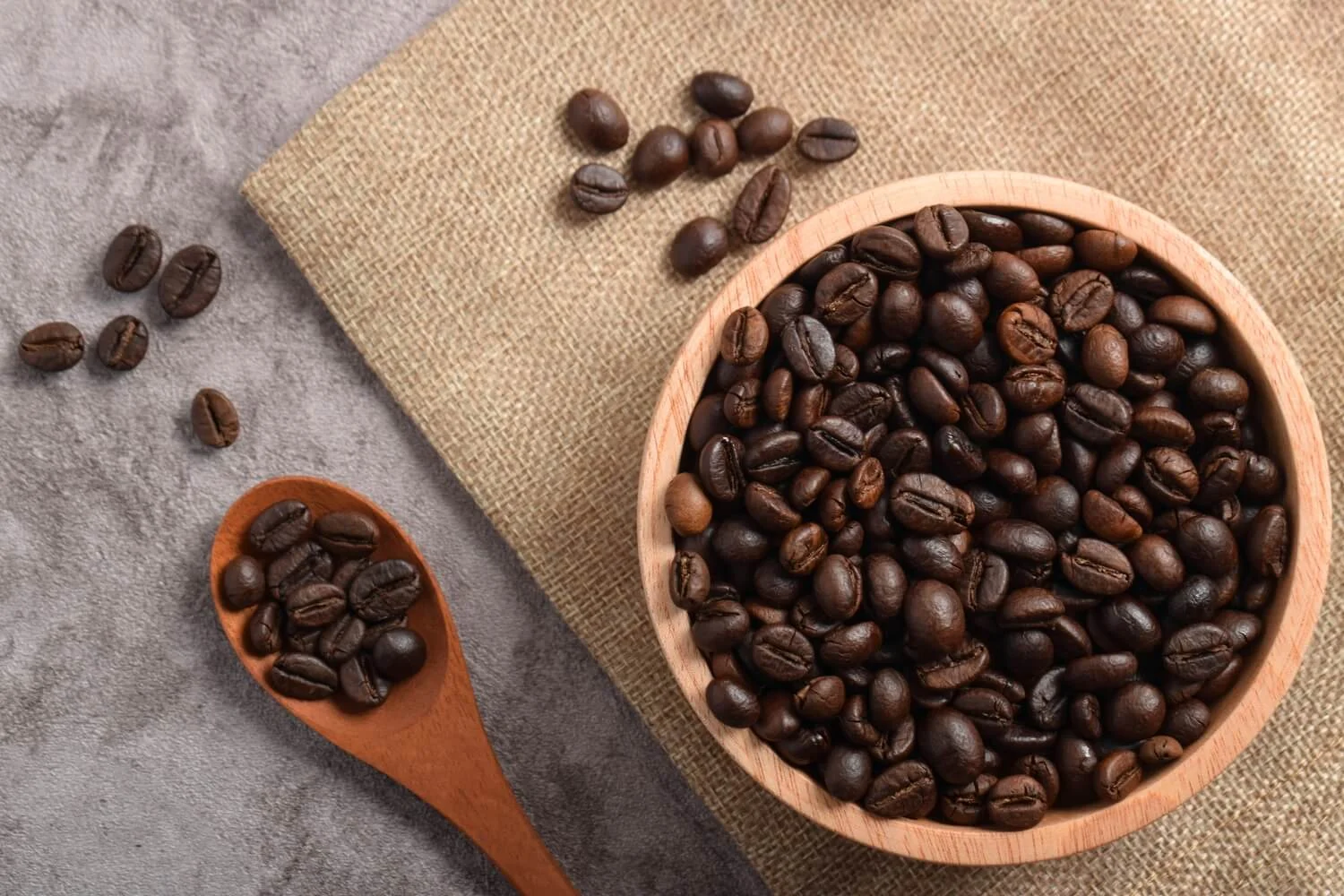
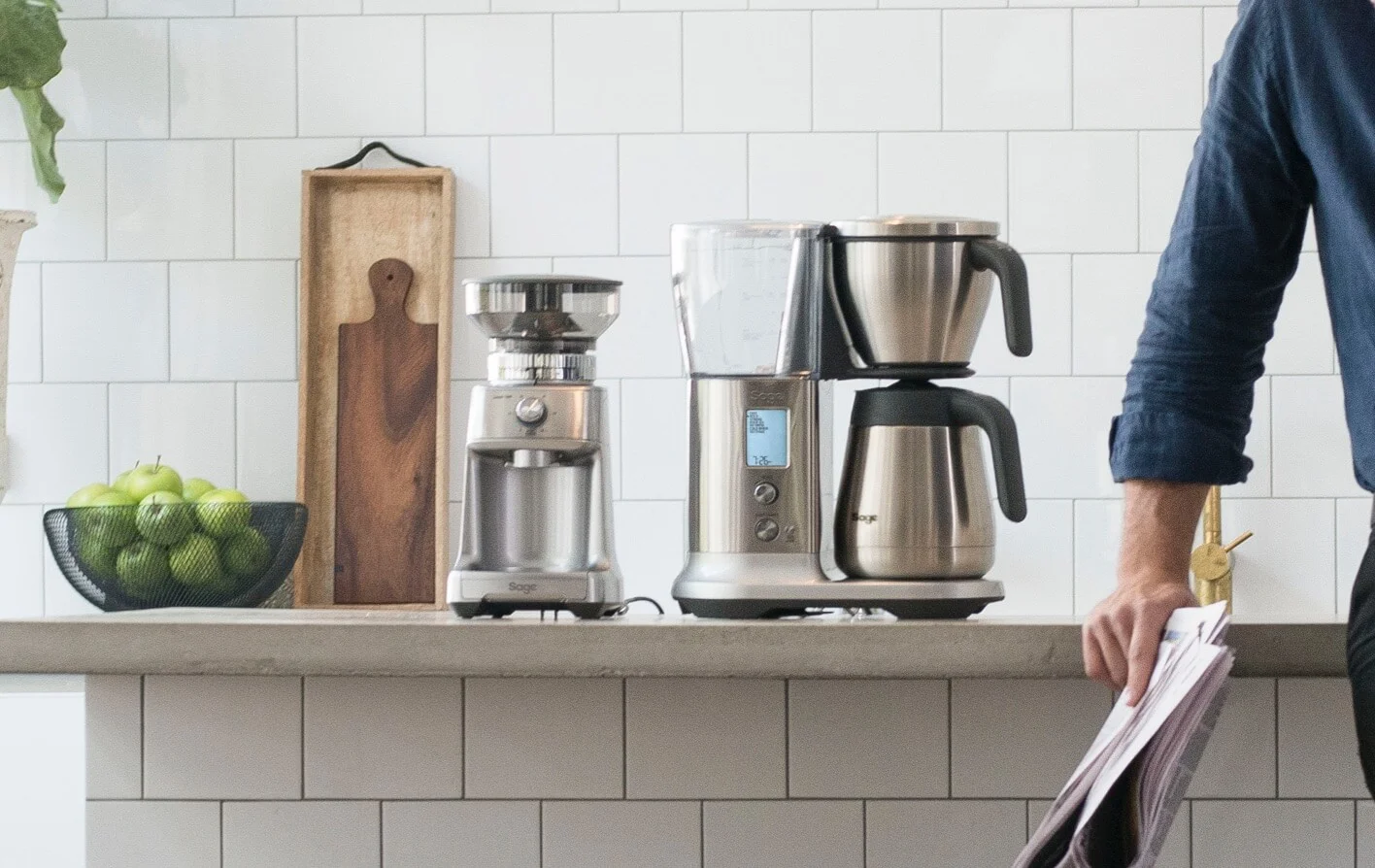
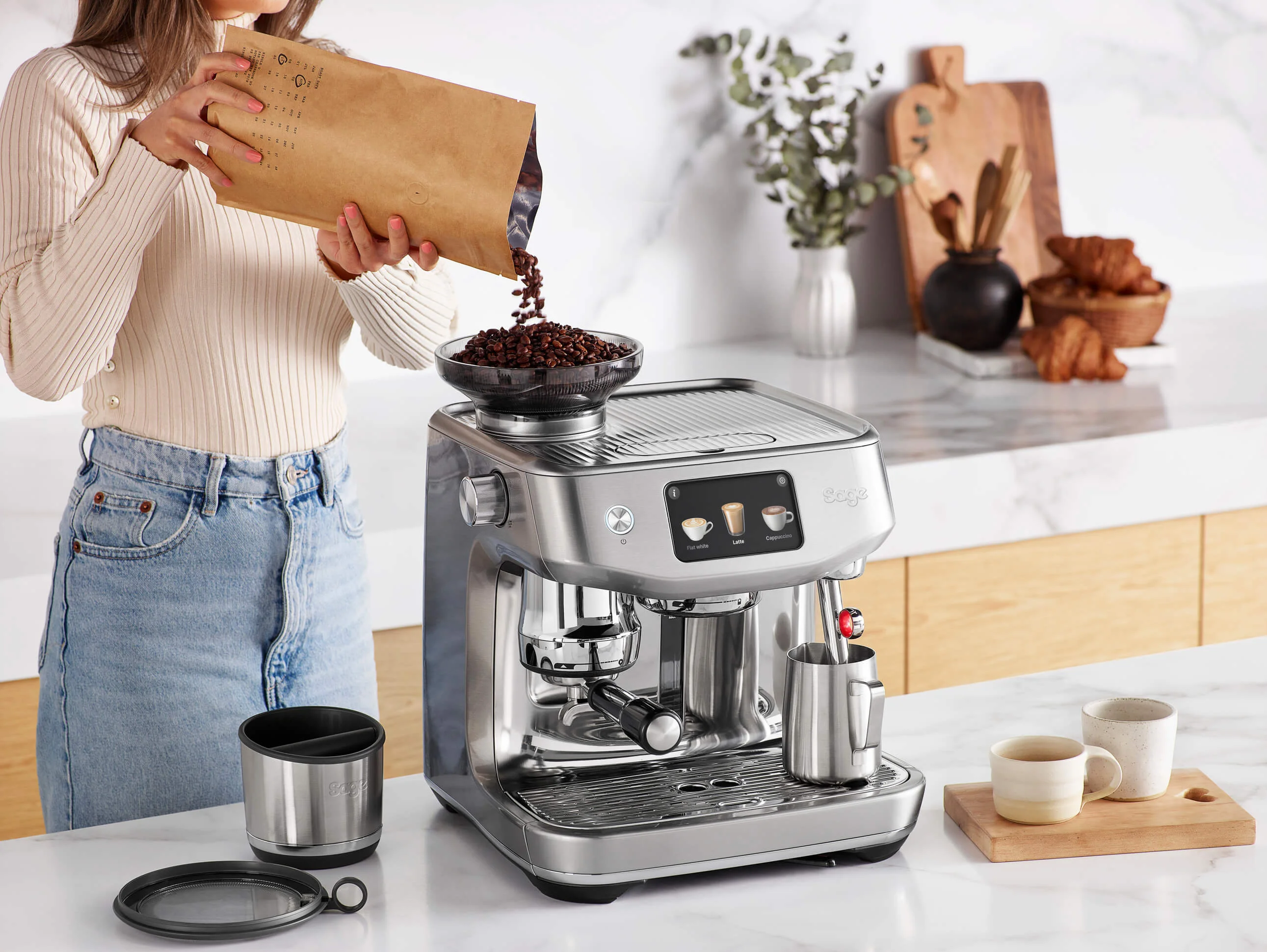
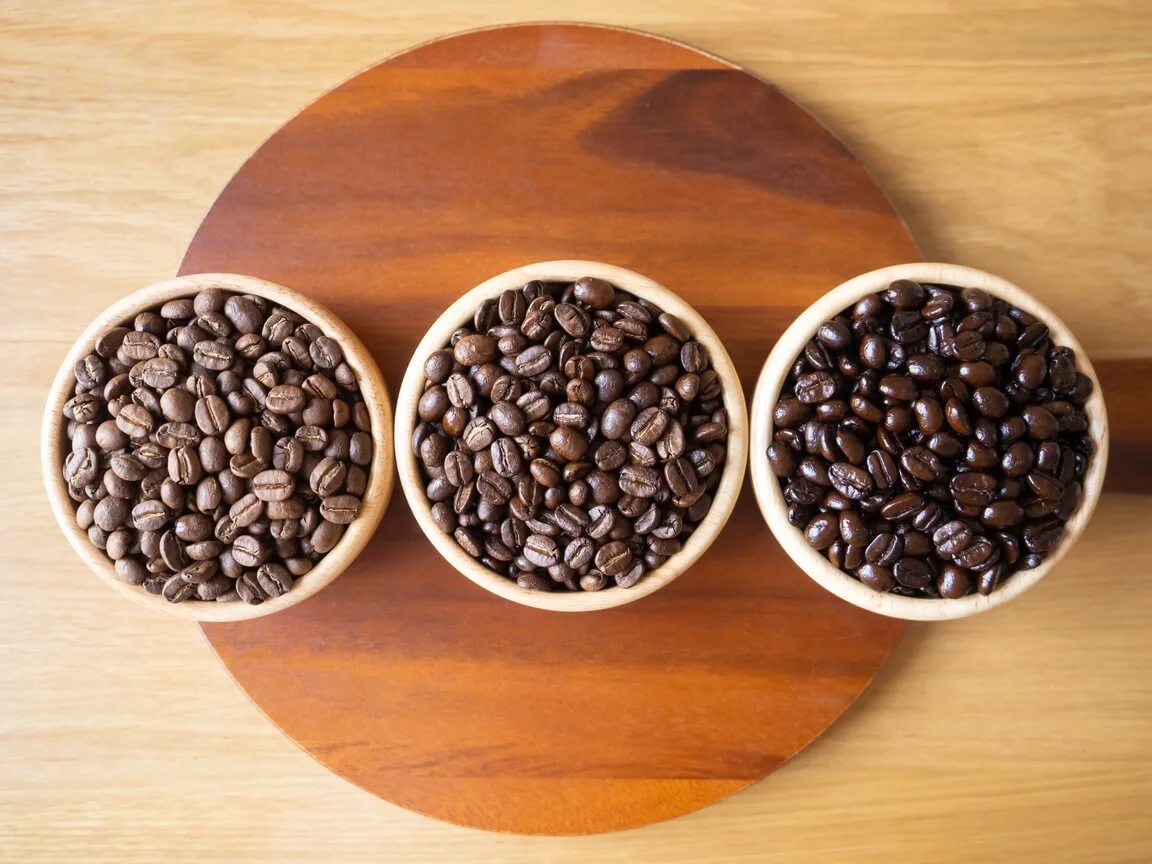
The freshness of your coffee beans is equally paramount for crema production. Freshly roasted beans, ideally used within two weeks of roasting, contain higher levels of CO2 and volatile compounds, which significantly enhance crema formation. Using quality coffee grinders to achieve the perfect grind is also key to this process.
Mastering the grind and tamp technique
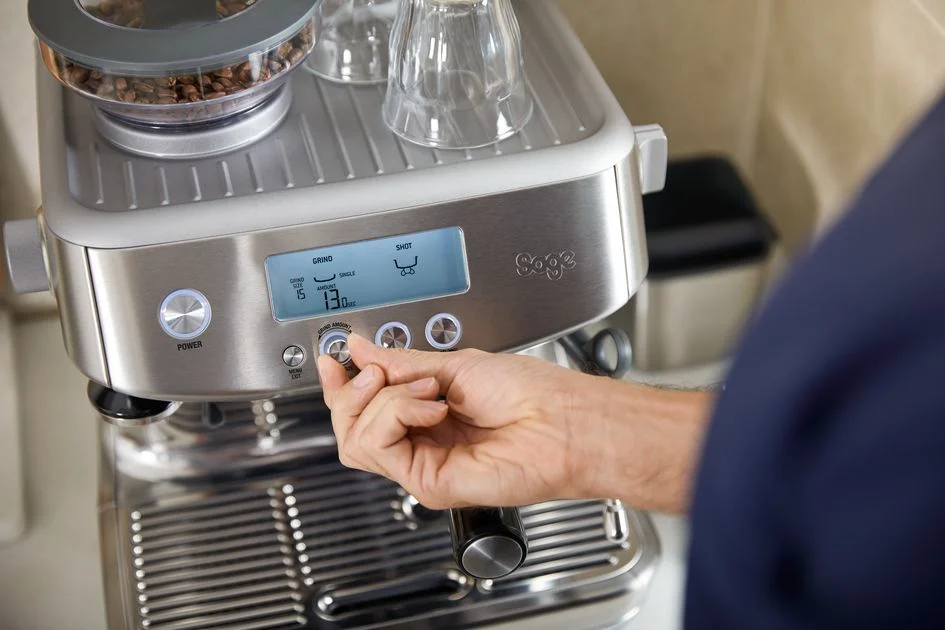
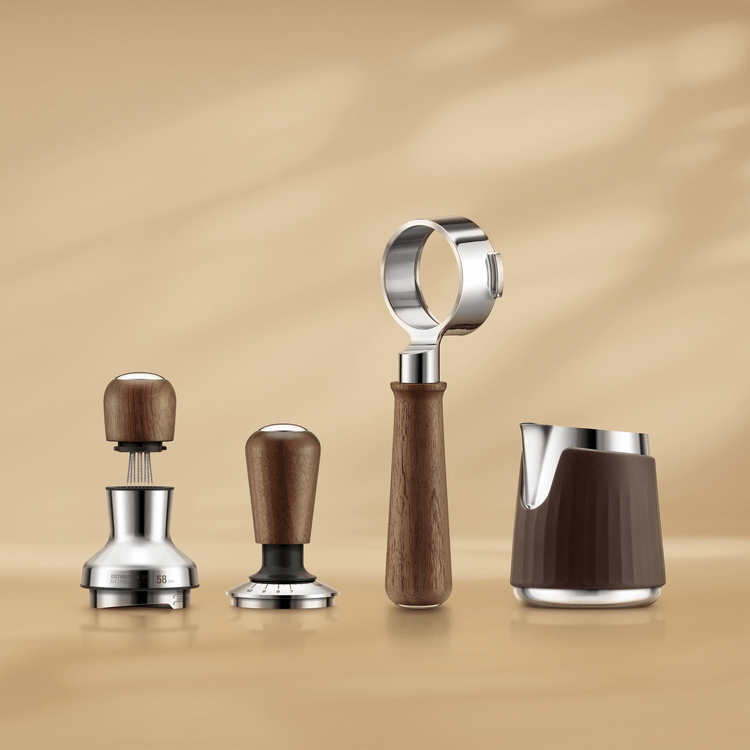
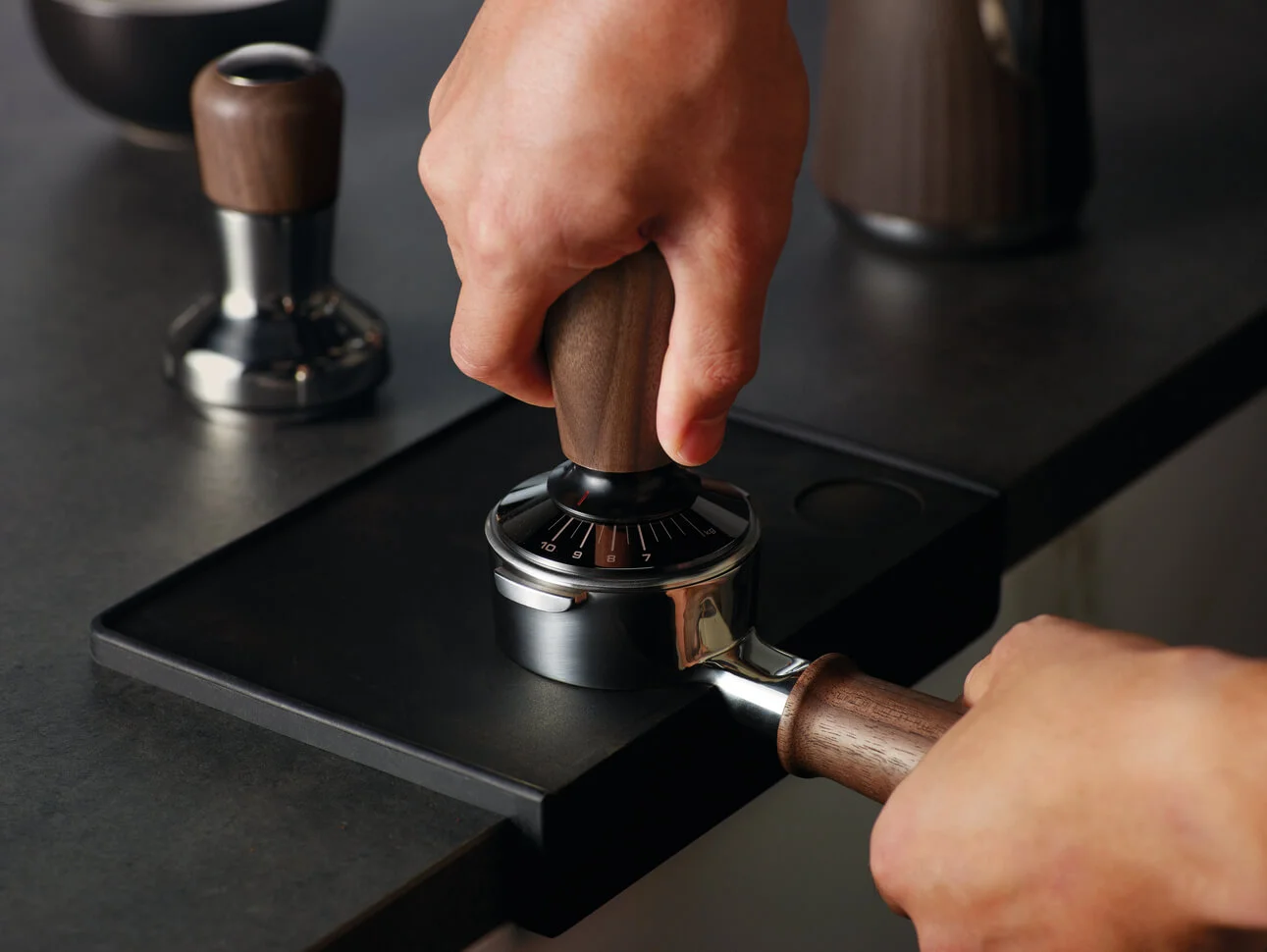
Achieving the right grind size and tamping pressure is essential for perfect espresso crema. The coffee should be finely ground to increase extraction pressure, aiding the emulsification process necessary for rich crema. Utilizing the right coffee accessories is key. A precise tamper ensures even tamping, while a reliable coffee scale provides accurate measurements. Together, these tools help guarantee uniform extraction and prevent channeling, where water bypasses the coffee grounds unevenly.
Troubleshooting common crema problems
The freshness of your coffee beans is the biggest factor in achieving a rich, golden crema. Even with the right grind size and brewing technique, stale beans can result in a thin or nonexistent crema. If your shots aren't producing the velvety layer you expect, small adjustments—starting with fresher beans—can make a significant difference. Here’s how to identify and fix the most common crema issues.
Thin or weak crema
Thin or weak crema often indicates stale coffee or improper grind size. Check that your beans are fresh and adjust your grind to a finer setting if necessary.
Overly bitter or burnt crema
If your crema tastes bitter or burnt, this may be due to over-extraction or high brewing temperatures. Consider lowering the temperature or shortening the extraction time.
The science behind crema formation
Crema isn’t just a visual hallmark of a well-pulled espresso—it’s the result of a precise chemical and physical process. Understanding the science behind crema formation can help you fine-tune your technique and achieve a more consistent, flavourful espresso. Here’s a closer look at how pressure, extraction, and coffee composition influence this golden layer.
How pressure and extraction create crema
Crema forms when the high pressure of an espresso machine forces water through finely-ground coffee, extracting soluble oils and air bubbles along the way. These elements emulsify into the rich, aromatic layer known as crema.
Factors that influence crema quality
As we’ve discussed, several factors can influence the quality of your crema, including the bean’s age, roast level, and the machine's pressure. Lighter roasts typically produce less crema than darker roasts due to lower oil content.
Elevate Your Espresso Experience
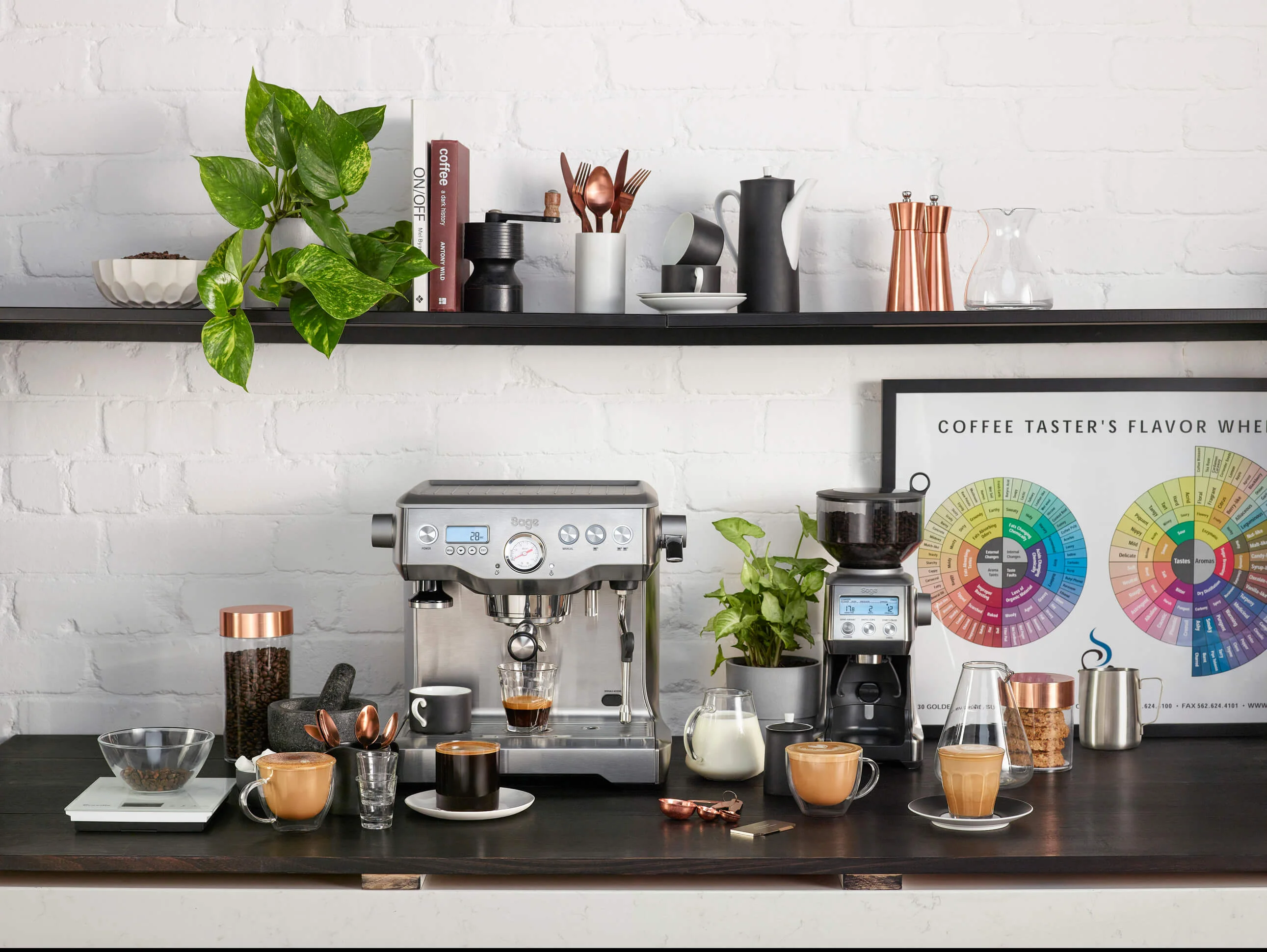
Mastering espresso crema is just the beginning of your coffee journey. Refining your technique, experimenting with different roasts, and expanding your skills—whether by crafting the perfect cappuccino or making iced coffee at home—will deepen your appreciation for every cup. Precision plays a key role in achieving barista-level results, and with the right tools, you can fine-tune your espresso parameters for consistently exceptional crema.
With Sage espresso machines, you have the control and finesse to turn every brew into a work of art. Embrace the process, experiment with technique, and enjoy the satisfaction of crafting café-quality espresso from the comfort of home.
Sources:
1. “Appliance Science: The High-Pressure Physics of Espresso Coffee.” CNET. https://www.cnet.com/home/kitchen-and-household/appliance-science-the-high-pressure-physics-of-espresso-coffee/.
2. Common Fallacy of Oily Coffee Beans." Sagebrush Coffee. https://sagebrushcoffee.com/blogs/education/common-fallacy-of-oily-coffee-beans.
3. "Five Key Factors That Create Perfect Crema." Paris Gourmet. https://www.parisgourmet.com/blog/five-key-factors-that-create-perfect-crema.
4. Jiang, H., Zhang, Y., Xu, J., Wu, X., & Yang, L. (2019). “Coffee extraction and its impact on flavor: A review.” Foods, 8(6), 1-14. https://pmc.ncbi.nlm.nih.gov/articles/PMC6560105/.
5. "The Chemical Composition of Espresso Crema." FLTR Magazine. https://fltrmagazine.com/2023/04/24/the-chemical-composition-of-espresso-crema/.