The at-home coffee market is steadily growing in the UK, with over 80% of coffee drinkers brewing their own on any given day.
Making coffee at home vs. buying at a café
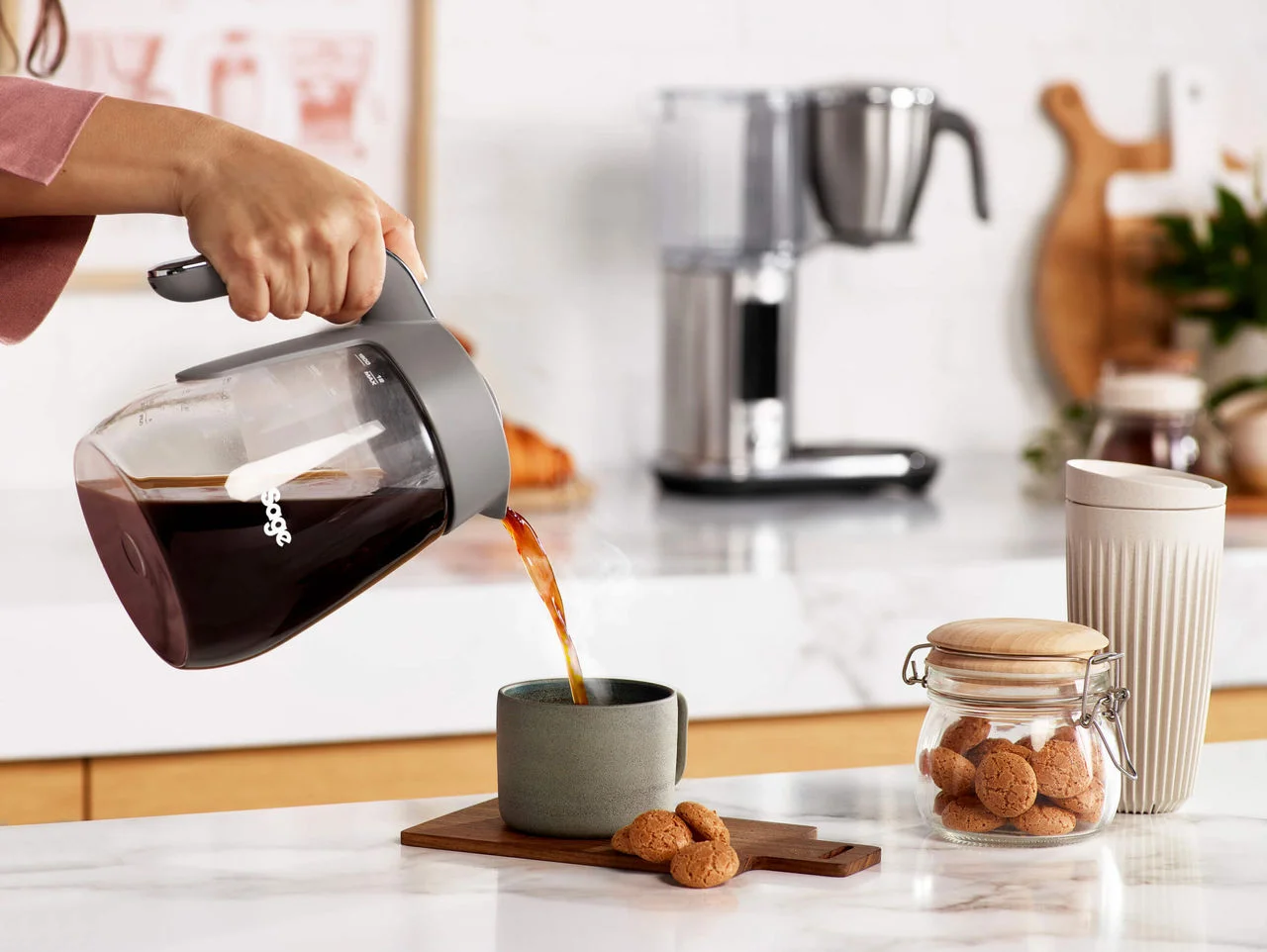
Part of the appeal is that coffee machines are becoming more sophisticated and convenient. Still, some people prefer to buy their daily cup out at a café.
Which is better for your budget, taste buds, and lifestyle? It's different for everyone, but our guide to making coffee at home versus buying it out can help you decide.
The cost factor: Home brewing vs. coffee shop spending
One of the most important things to consider about home brewing versus buying from a coffee shop is the cost. Here's what we mean.
Upfront costs of coffee equipment
First, there's what you spend upfront when buying a coffee machine or other coffee-making equipment, such as a coffee grinder or bean storage container. Pour-over and other manual systems can be £50 or below, while the priciest, most sophisticated machines can be upwards of £500.
Ongoing costs of making coffee at home
Then there are the ongoing costs of making coffee at home. This includes regularly purchasing coffee beans, pods, milk, or flavourings. You may also need paper coffee filters or a cleaning solution to descale the interior of the machine.
How much does a daily coffee shop habit cost?
The average cost of a medium-sized latte from a coffee shop in the UK is about £2.90. A medium black coffee is roughly £2.58. If you buy coffee out daily, it would cost you £77 to £87 every month, which comes out to roughly £1,000 per year. Think about how much money you can save on coffee if you break this habit.
Long-term savings of home brewing
Many coffee drinkers like to stop by the café once in a while for a barista-made beverage. However, making your own coffee at home most days can save you lots of money over time. Try to remember this the next time you ask if buying a coffee machine is worth it. You don't have to buy the fanciest machine, and even if you do, this can offset the cost of investing in a premium coffee maker.
Taste and quality: Which coffee comes out on top?
Another critical point to consider is the quality and taste of the coffee. People often view café beverages as the superior option—and it's certainly nice to have a drink made for you occasionally—but this isn't always the case.
Control over strength, freshness, and ingredients
Instead of hoping the barista gets your order just right, brewing at home allows you more control over what goes into your coffee and how it comes out. For instance, you can ensure your coffee is always made from freshly ground beans and that the beans are freshly roasted or stored properly to keep them fresh.
Home brewers can also adjust the water temperature and brewing time. What's more, they can customise their coffee with their preferred type of milk, sweetener, and flavourings.
What about the beans? Sourcing and flavour profiles
Another benefit of making coffee at home is that you can choose your own coffee beans. Those who like a bolder flavour profile might sign up for monthly deliveries of Robusta coffee beans from their favourite roaster, while those who prefer a smoother, slightly sweeter taste may stick with Arabica.
Professional barista-quality vs. DIY brewing
Of course, professional baristas are trained in various brewing methods, such as making espresso, cappuccinos, and lattes. But with the right tools and a bit of practice, you can make your own café-level drinks. You can even steam milk to pour latte art with microfoam or make iced coffee at home.
Time and convenience: Which one fits your lifestyle?
For some consumers, the choice of making coffee at home versus buying it out comes down to time and convenience.
Is home brewing quicker than you think?
It may seem like getting a grab-and-go coffee is the faster option. Although this might be true in some cases, brewing coffee at home could be quicker than you think. Single-serve pod machines and automatic espresso makers can dispense a cup in under two minutes, and drip coffee makers can often be programmed to start brewing at a specific time each morning.
The perks of a grab-and-go coffee
Owning a coffee machine doesn't mean you should never visit a coffee shop. It's nice to order a latte out from time to time, and stopping by a café might feel more special when it's an occasional treat rather than a daily habit.
Managing your morning routine
To cut down on time and optimise your morning routine, use your coffee machine's built-in timer or set out coffee-making supplies the night before, such as a filter, mug, or milk frother. You can even buy your own paper to-go cups and lids for on-the-go convenience and a café-style feel.
Final verdict: Brew at home or buy out?
Deciding where to make or get your coffee is personal. There's the cost factor, as well as time, convenience, and quality control. That said, the whole experience should be enjoyable, from choosing and grinding the beans to brewing the coffee and taking the first sip.
If you're thinking about getting a coffee maker, Sage is the place to look. Our lineup includes espresso machines with built-in grinders and milk steamers, single-serve pod machines, and coffee accessories to customise your setup.
Browse the rest of our kitchen appliances today.
Sources:
1. Perfect Daily Grind. More people are brewing coffee per household – but does that really matter?. https://perfectdailygrind.com/2024/09/more-people-drinking-coffee-at-home/
2. Statista. Coffee - United Kingdom. https://www.statista.com/outlook/cmo/hot-drinks/coffee/united-kingdom
3. BCC Research. The Impact of Coffee Machines on the Coffee Industry. https://blog.bccresearch.com/the-impact-of-coffee-machines-on-the-coffee-industry
4. Perfect Daily Grind. How the coffee prosumer market is evolving. https://perfectdailygrind.com/2024/04/coffee-prosumer-brewing-at-home-equipment/
5. CoffeeGeek. Five Tips for Better Home Coffee. https://coffeegeek.com/blog/beginners/five-tips-for-better-home-coffee/
6. Perfect Daily Grind. Home coffee machines: How are manufacturers innovating?. https://perfectdailygrind.com/2024/02/home-coffee-machines-innovation/
7. Fresh Cup. Research: The Price Of A Latte In 2024. https://freshcup.com/latte-price/
8. UCC Coffee UK & Ireland. Price Watch. https://www.ucc-coffee.co.uk/wp-content/uploads/2024/01/UCC23980-JanPriceWatch_DJB_V12953.pdf
9. Fresh Cup. The Prototype of All Desire: How Processing Can Increase—and Improve—Sweetness in Robusta. https://freshcup.com/the-prototype-of-all-desire-how-processing-can-increase-and-improve-sweetness-in-robusta/