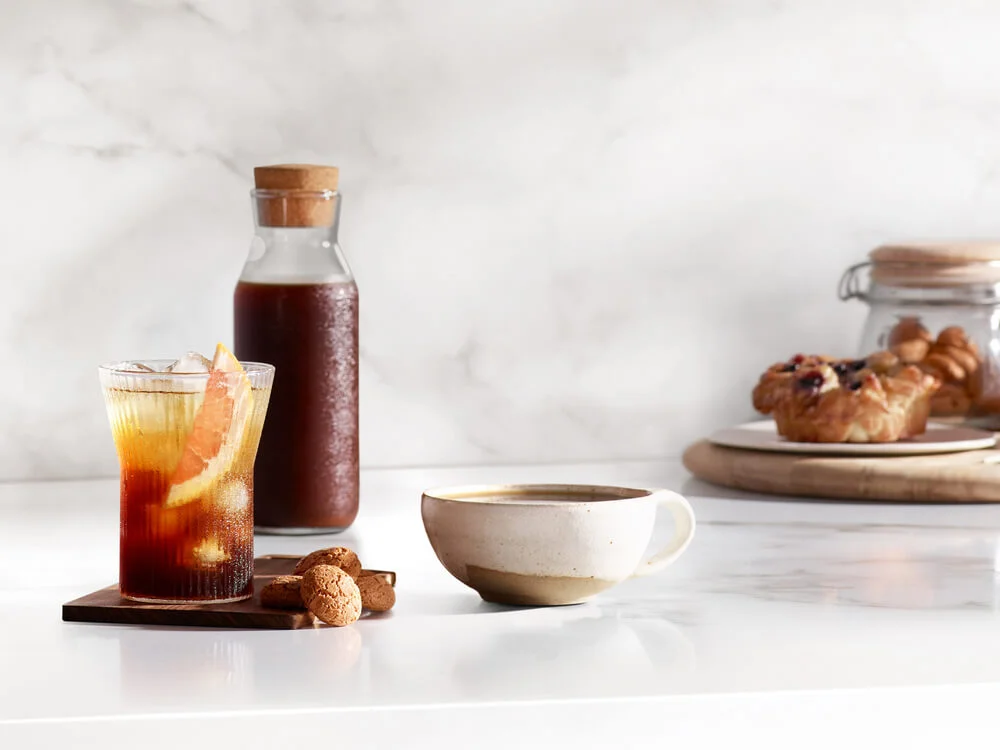
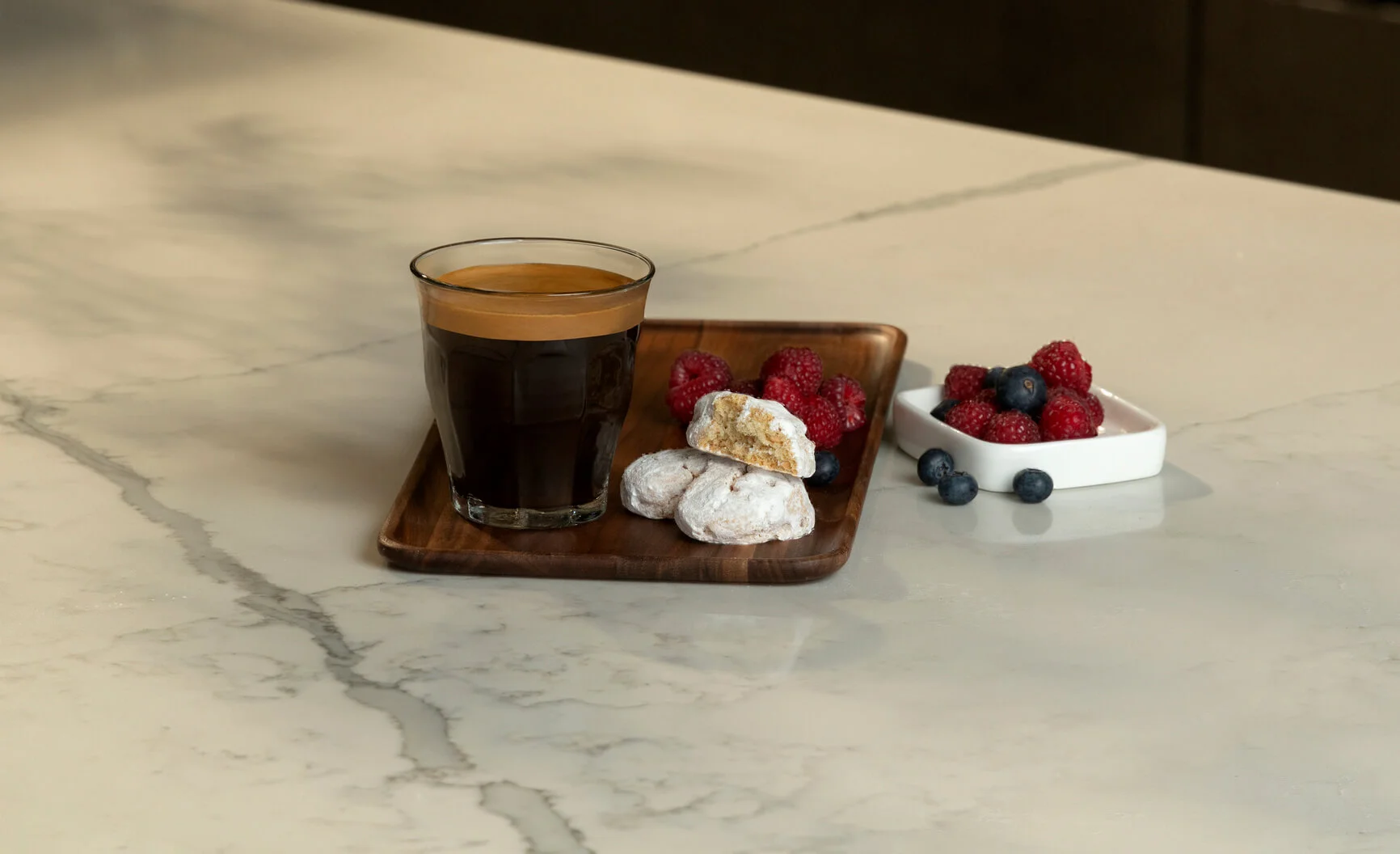
If you drink cold brew often or like to serve it to guests once in a while, it's worth learning how to make cold brew at home. This guide will walk you through the steps, proper ratios, steeping time, what type of coffee to use, and what equipment you'll need to make homemade cold brew.
Benefits of making your own cold brew
Why make homemade cold brew coffee? The cost of buying a cold brew from a café can add up to over £100 per month if it's a daily habit. Learning to make it yourself will not only save you money but also save you time by not having to stop by the café.
Though you can buy a jug of concentrated cold brew from the supermarket, making it fresh will almost always offer a better taste. Also, brewing yourself allows you to customise it with your choice of coffee beans in your preferred roast, optimal coffee grind size, and a fine-tuned steeping time.
What you'll need to make delicious cold brew coffee
To make cold brew coffee at home, you'll need coffee beans ground to the proper coarseness, along with the right equipment for your brewing method.
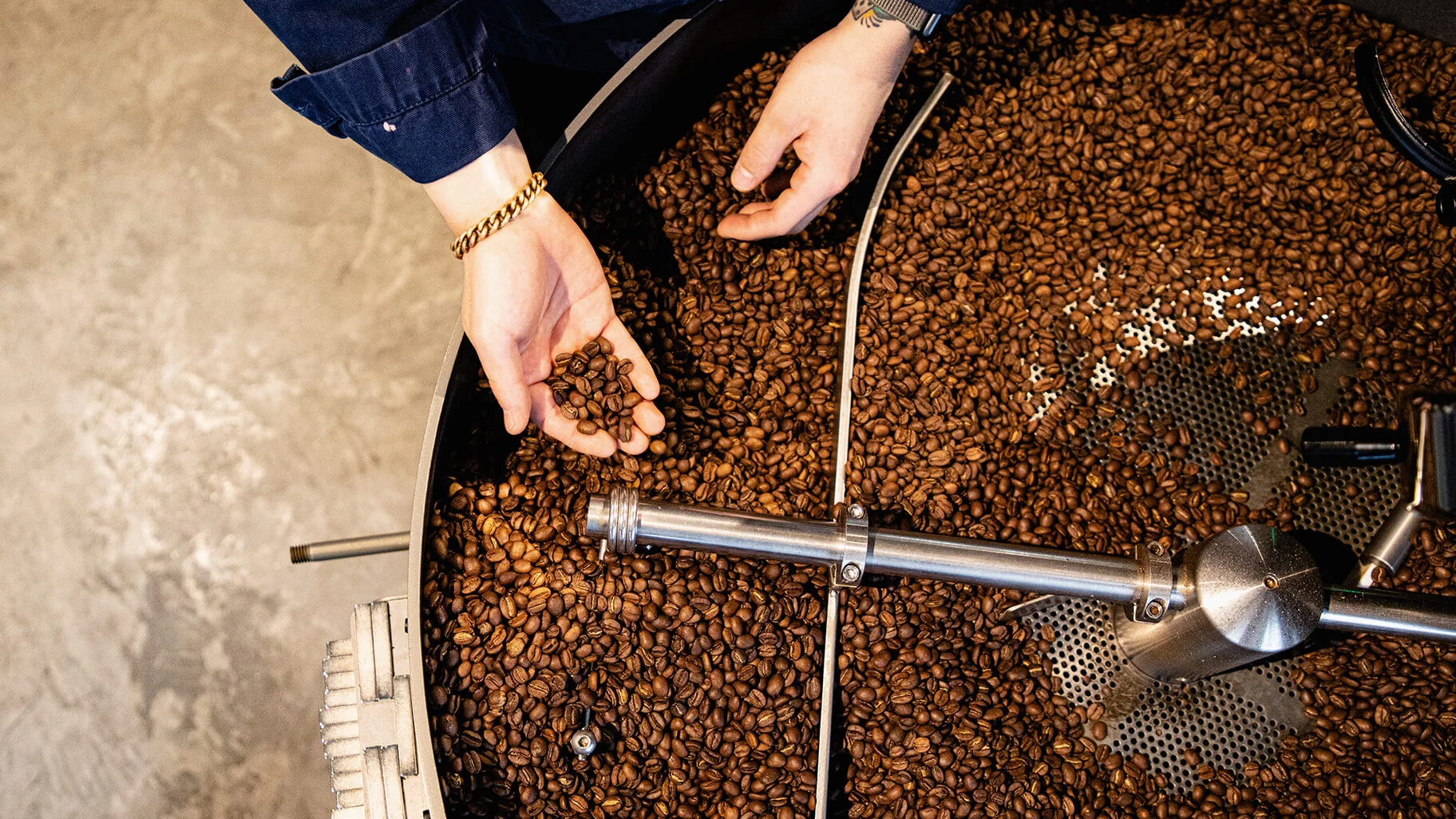
Choosing the right coffee beans
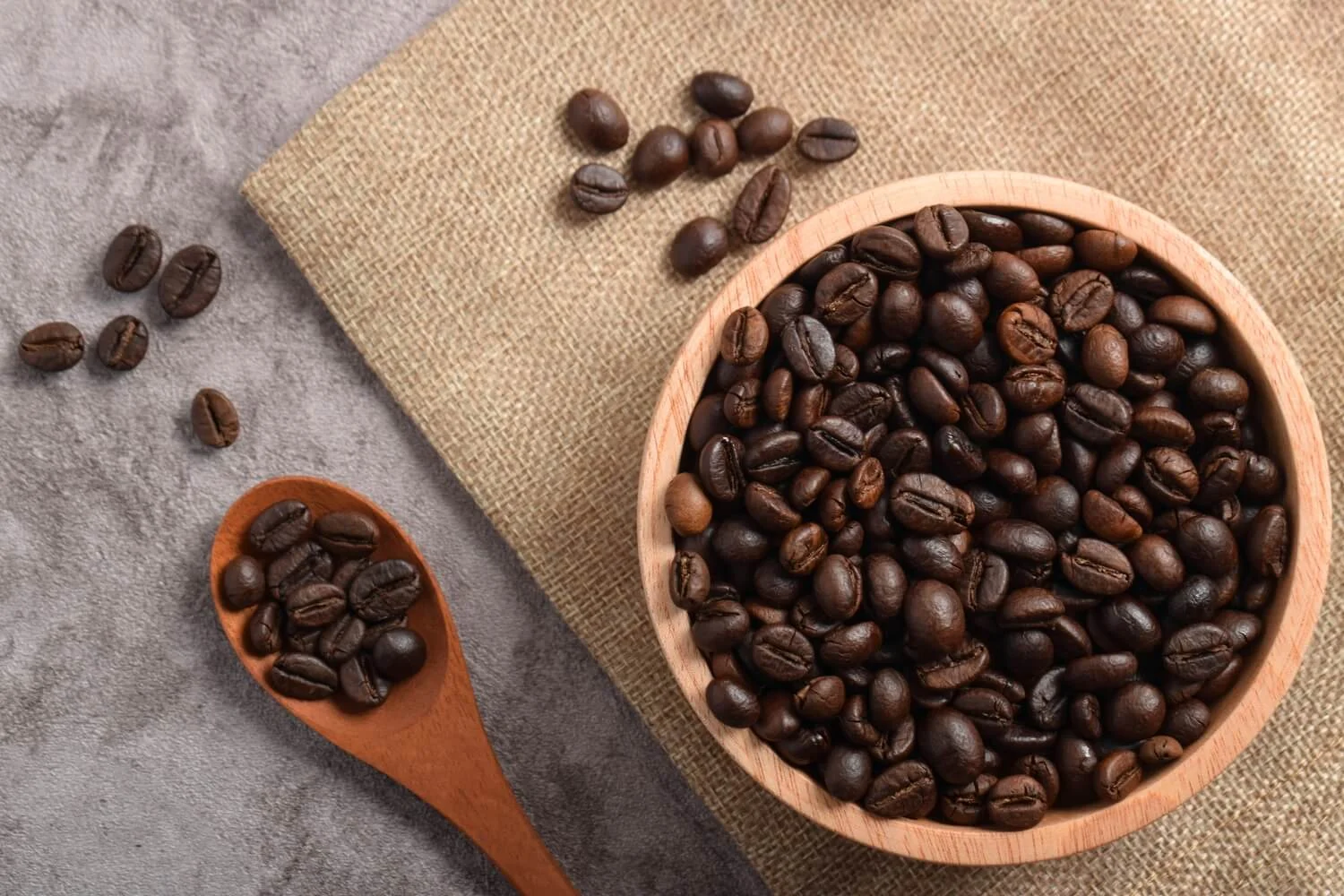
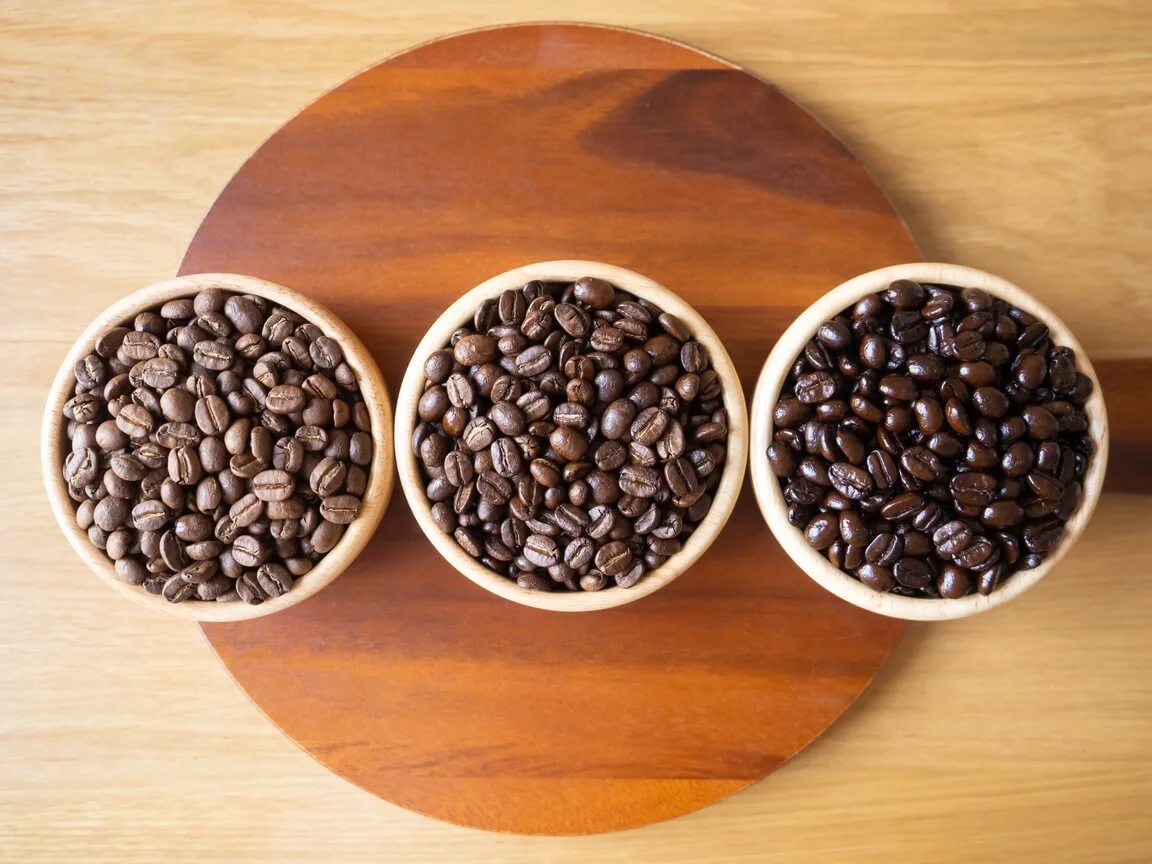
Pay attention to the bean origin when buying coffee beans. Robusta coffee has a more bitter and slightly earthy flavour, while Arabica usually has a smoother taste with higher acidity. The lower acidity of cold brew coffee can balance the bitterness of Robusta or give already-smooth Arabica an even brighter mouthfeel. Using 100% Arabica beans is the preferred choice for most cold brew.
Grind size matters
Cold brew coffee is typically made with coarsely ground coffee beans. This allows for slow, even extraction and a smooth finish, whereas finely ground coffee can result in muddied cold brew with a bitter flavour. The coarser ground also avoids any clogging the machine or brewer, resulting in less fine grounds in your final cup.
Essential tools and equipment
The equipment you need to make delicious cold brew depends on your brewing method:
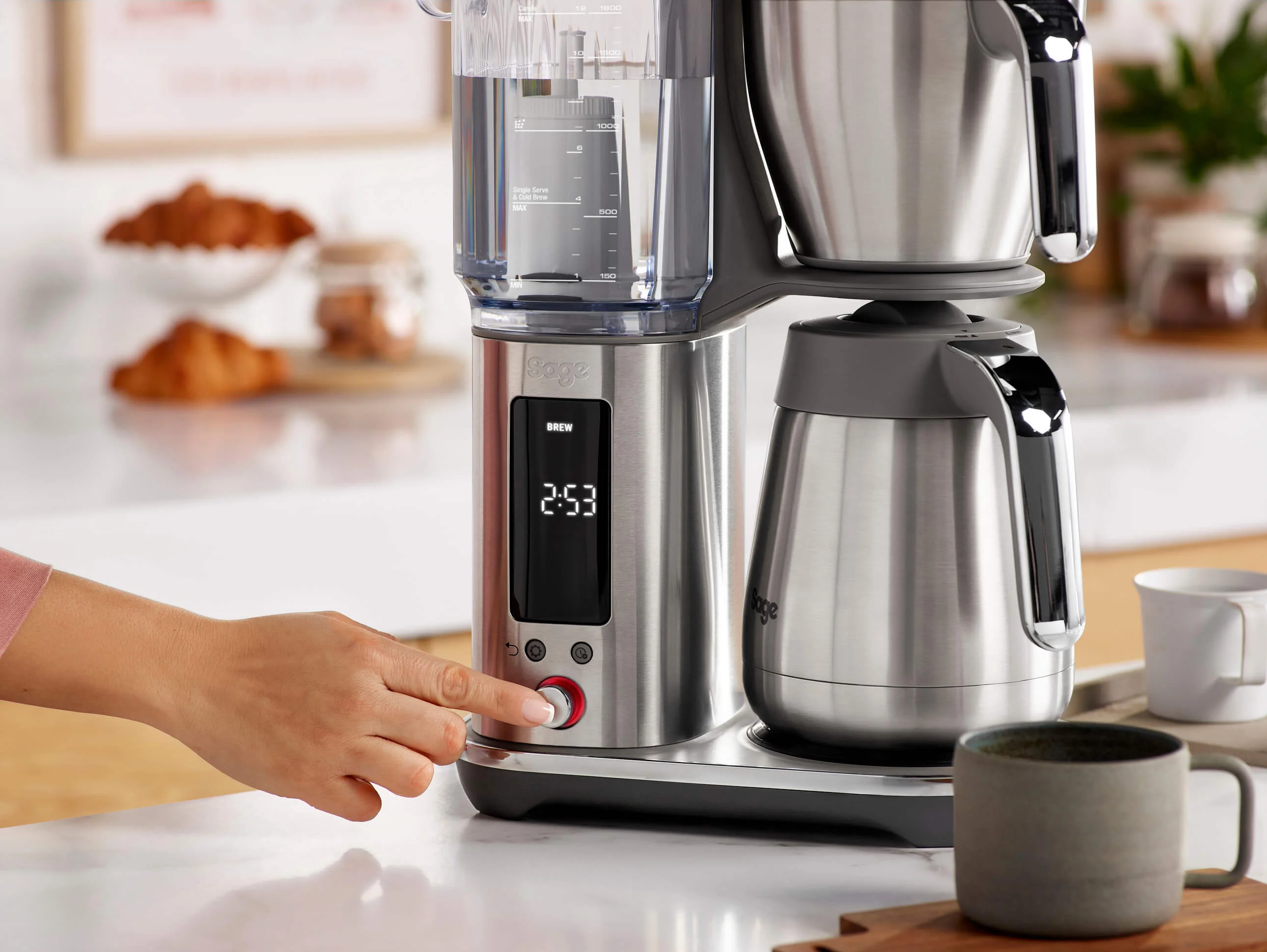
Traditional cold brew – When making cold brew coffee the traditional way, you'll need a large container, such as a glass jug, along with a mesh strainer and a refrigerator. Or, try using a coffee machine with cold brew functionality.
Nitro cold brew – Nitro cold brew is first steeped in a large container, then strained with a filter, and moved to a keg, where it's infused with a nitrogen gas cartridge.
Flash brew – Flash brew (or Japanese-style cold brew) is made with a pour-over system, including a filter, dripper, and ice-filled carafe.
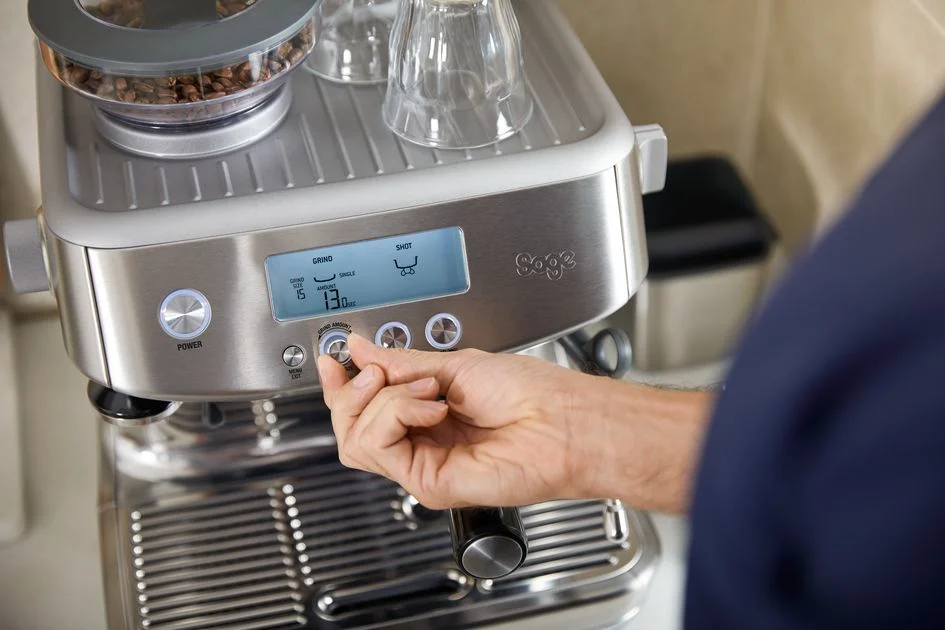
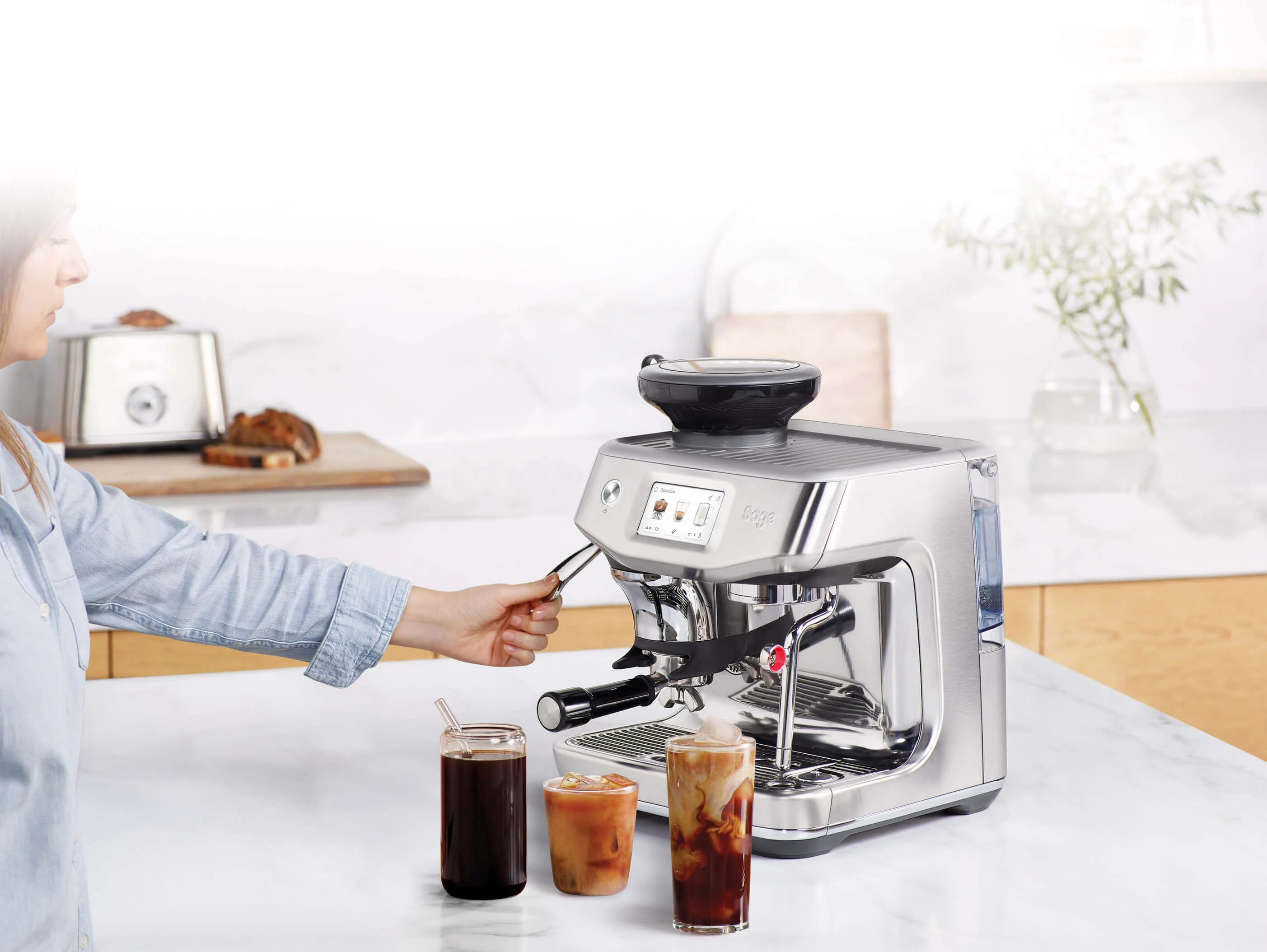
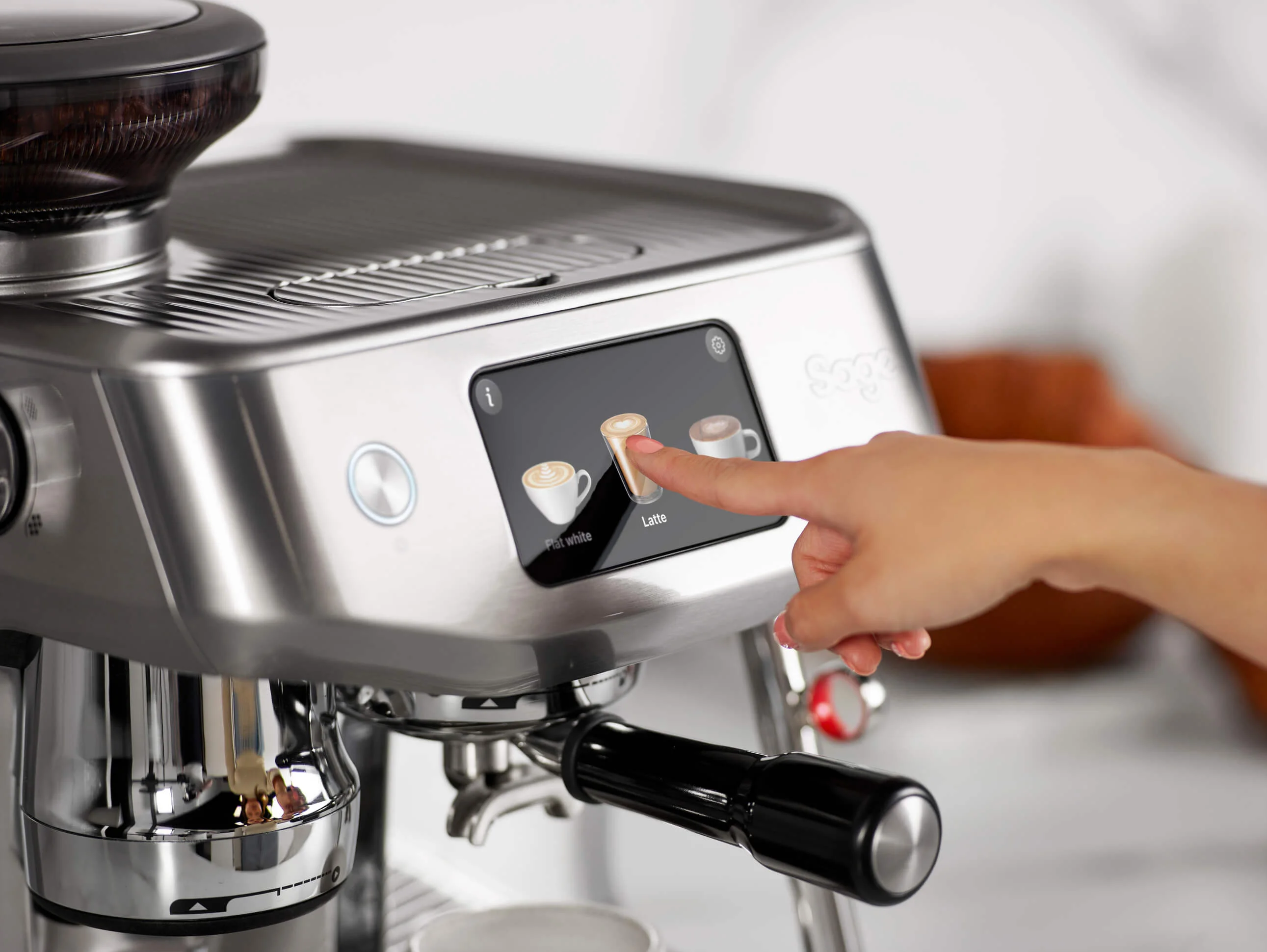
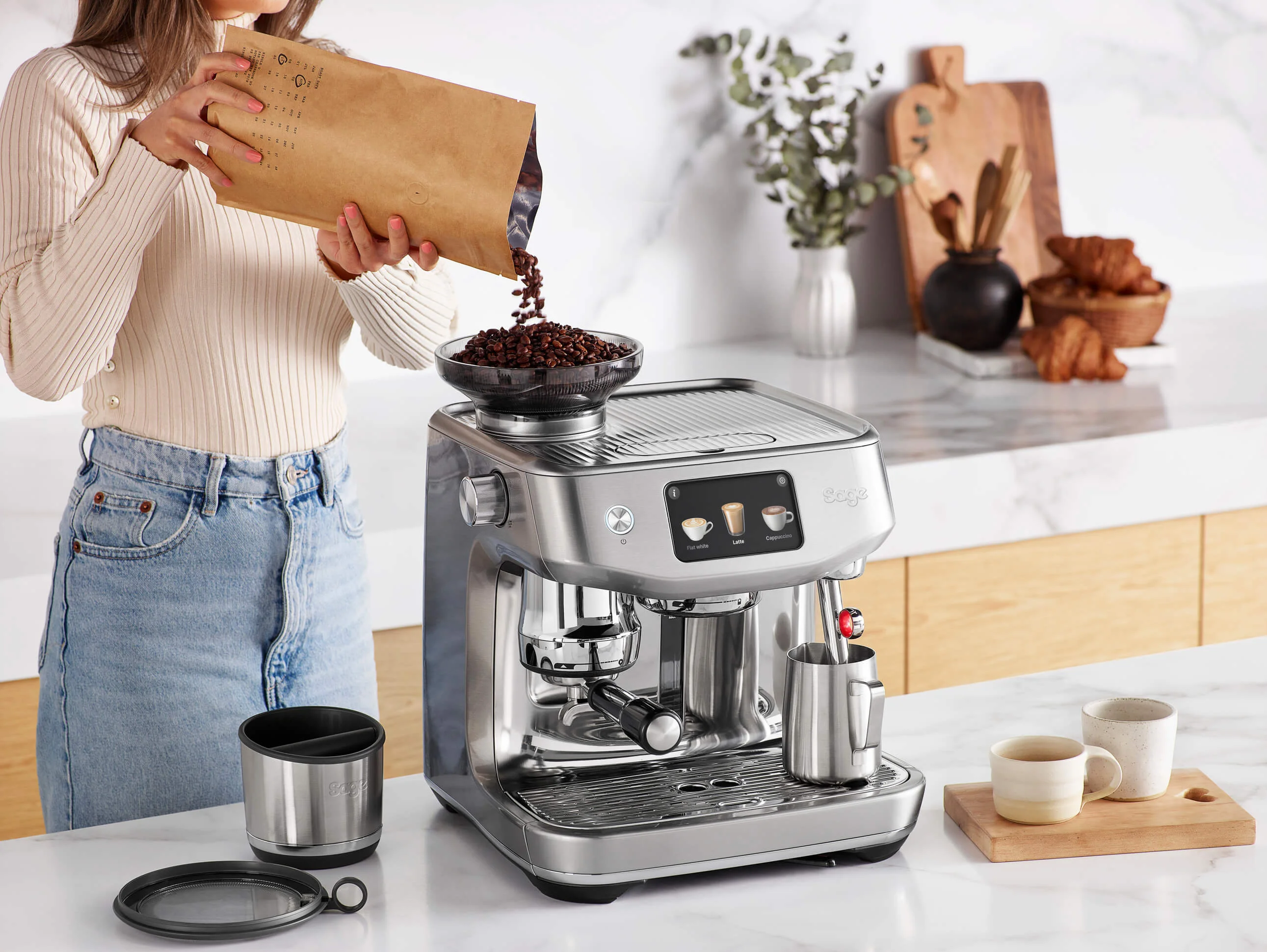
Automatic rapid cold extraction – You can also make cold brew coffee in just a few minutes with the Barista Touch Impress or Oracle Jet from Sage, both of which have a rapid cold extraction feature.
How to make cold brew coffee, step by step
Here's how to make cold brew coffee using the traditional method:
1. Grind fresh coffee beans using a burr grinder.
2. Combine the ground coffee with room-temperature water in a large lidded container.
3. Place the mixture in the refrigerator.
4. Let it steep for up to 24 hours.
5. Strain out the grounds.
Homemade cold brew coffee ratio and measurements
When making cold brew, grind your coffee beans to a coarse grind size—about the same as you'd use for French press coffee.
The cold brew ratio for ground coffee and water should be around 1:8 for ready-to-drink coffee. If you're making a concentrate to be diluted with water or ice later, you can do a higher coffee-to-water ratio, such as 1:4.
Steeping time and temperature tips
This cold coffee drink typically needs to steep for at least several hours. About 24 hours is ideal. A colder temperature is generally better, as it results in a bright and powerful yet smooth coffee. A longer steeping time will allow for full extraction at a chilled temperature.,
Straining and storing your brew
Straining your cold brew coffee will remove the coffee grounds and stop the steeping process. In some cases, you might need to strain it twice to make sure all the sediment is gone. You can use a paper coffee filter with a pour-over system or a special mesh filter designed specifically for cold brew.
Cold brew coffee should be stored in the refrigerator in an airtight container, such as a lidded jug or carafe, to maintain its freshness.
How long does cold brew last in the fridge?
When stored in the fridge, cold brew lasts about five days. Keeping it for longer than that could introduce bacteria or negatively affect the taste.
Common cold brew mistakes to avoid
Here's what not to do when making cold brew coffee at home.
Over-steeping or under-steeping
Over-steeping cold brew can result in very bitter-tasting coffee with a harsh, unpleasant flavour. Under-steeped cold brew coffee that hasn't had time to fully extract may taste weak, watery, or sometimes sour.
Using the wrong type of coffee or water
The choice of coffee beans is yours, but single-origin tends to be best because the cold-extraction method can highlight the unique characteristics of the coffee. Many people opt for medium or dark roasts for cold brew to achieve a sweeter finish that balances the acidity., Try using filtered water as well to improve the final taste.
Final thoughts: brewing cold, sipping smooth
Cold brew coffee can be made at home a in few ways, including traditional steeping and straining, with a nitrogen keg, using a pour-over system, or with rapid cold extraction using a Sage espresso machine.
Explore Sage's offerings if you're shopping for a coffee grinder or other coffee accessories to brew your favourite café drinks.
Sources:
1. Global Coffee Report. New research reveals what's driving UK cold brew coffee trend. https://www.gcrmag.com/new-research-reveals-whats-driving-uk-cold-brew-coffee-trend/
2. Scientific Reports. The Effect of Time, Roasting Temperature, and Grind Size on Caffeine and Chlorogenic Acid Concentrations in Cold Brew Coffee. https://pmc.ncbi.nlm.nih.gov/articles/PMC5740146/
3. The Arbutus Review. Can Cold Brew Coffee Be Convenient? A Pilot Study For Caffeine Content in Cold Brew Coffee Concentrate Using High Performance Liquid Chromatography. https://www.researchgate.net/publication/323191961_Can_Cold_Brew_Coffee_Be_Convenient_A_Pilot_Study_For_Caffeine_Content_in_Cold_Brew_Coffee_Concentrate_Using_High_Performance_Liquid_Chromatography
4. Foods. Cold Brew Coffee-Pilot Studies on Definition, Extraction, Consumer Preference, Chemical Characterization and Microbiological Hazards. https://pmc.ncbi.nlm.nih.gov/articles/PMC8071471/
5. Barista Magazine. Make Nitro Cold Brew, One Cup at a Time. https://www.baristamagazine.com/make-nitro-cold-brew-one-cup-time/
6. Perfect Daily Grind. How does ageing cold brew coffee affect its flavour?. https://perfectdailygrind.com/2022/07/how-does-ageing-cold-brew-affect-flavour/
7. Journal of Culinary Science & Technology. Brewing Temperature and Particle Size Affect Extraction Kinetics of Cold Brew Coffee in Terms of Its Physicochemical, Bioactive, and Antioxidant Properties. https://www.tandfonline.com/doi/full/10.1080/15428052.2020.1848683
8. Specialty Coffee Association (SCA). Cold vs. Iced: Using Sensory Analysis to Test the Claim that Cold Brew is Sweeter and Less Acidic. https://sca.coffee/sca-news/25/issue-19/cold-vs-iced-using-sensory-analysis-to-test-the-claim-that-cold-brew-is-sweeter-and-less-acidic
9. Perfect Daily Grind. Why does cold brew taste different to other coffee brewing methods?. https://perfectdailygrind.com/2023/04/why-does-cold-brew-taste-different/
10. Fresh Cup. The Prototype of All Desire: How Processing Can Increase—and Improve—Sweetness in Robusta. https://freshcup.com/the-prototype-of-all-desire-how-processing-can-increase-and-improve-sweetness-in-robusta/
11. Antioxidants (Basel). Variables Affecting the Extraction of Antioxidants in Cold and Hot Brew Coffee: A Review. https://pubmed.ncbi.nlm.nih.gov/38247454/
12. Food Research International. Chemical and sensory evaluation of cold brew coffees using different roasting profiles and brewing methods. https://pubmed.ncbi.nlm.nih.gov/33642008/
13. Perfect Daily Grind. What is flash brew coffee?. https://perfectdailygrind.com/2022/03/what-is-flash-brew-coffee/
14. Perfect Daily Grind. Choosing a coffee for cold brew. https://perfectdailygrind.com/2022/07/choosing-a-coffee-for-cold-brew/