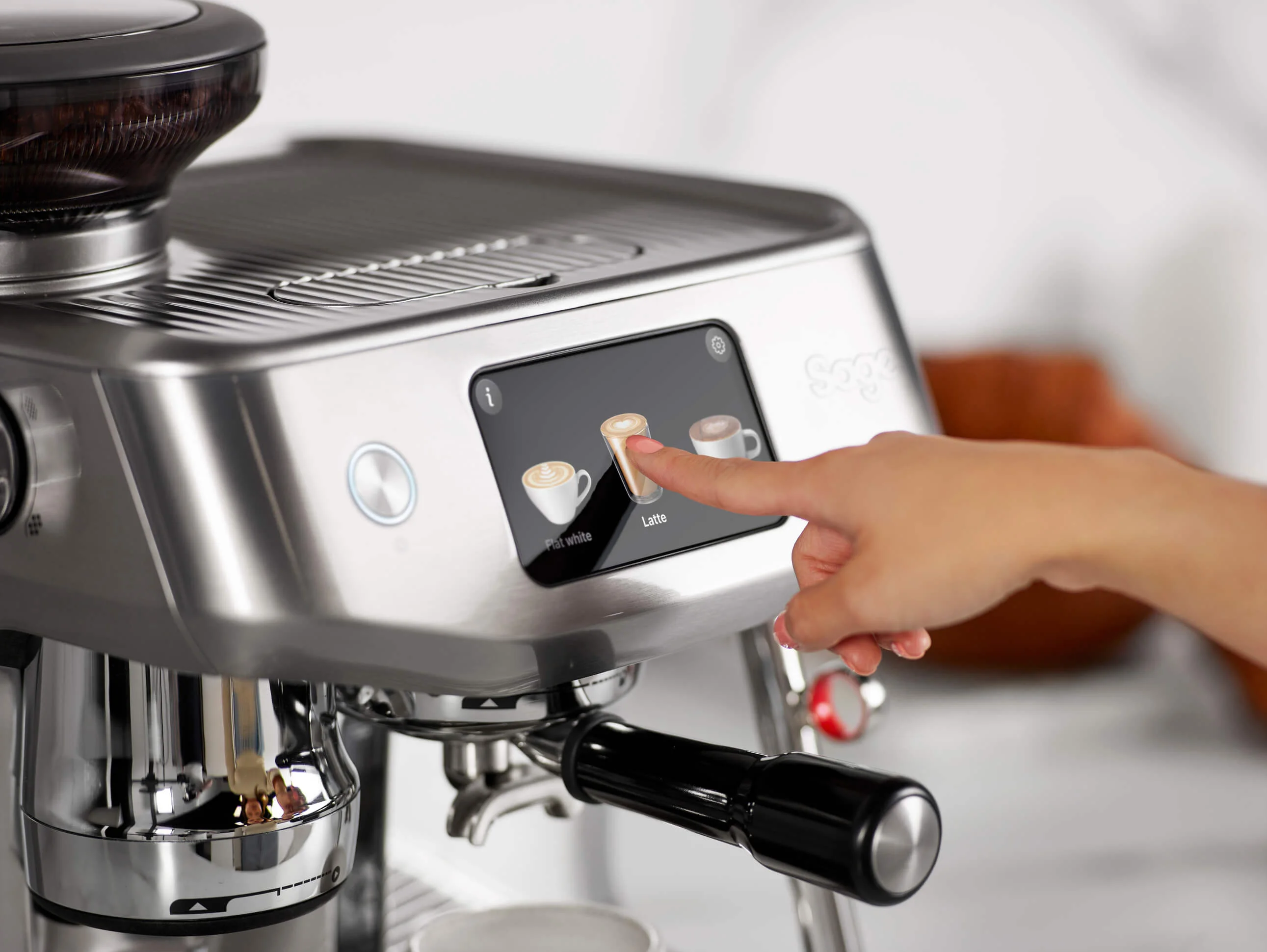
This creamy, velvety coffee drink—made by combining a rich espresso shot with perfectly steamed milk—is a favourite around the world. With the right equipment, techniques, and a little practice, you can create lattes that rival those from your favourite café.
Before getting started, it’s important to gather the proper tools and understand the steps involved in frothing milk, pouring, and balancing flavours. Whether you’re using a compact home model or a more advanced machine, this guide will walk you through everything you need to know to achieve barista-quality results.
What is a latte?
A latte, short for “caffè latte,” is an Italian coffee classic. Made with a single or double shot of espresso coffee and topped with steamed milk and a small layer of milk foam, it’s known for its smooth, balanced taste and velvety texture.
Lattes are versatile—you can customise them with flavoured syrups like vanilla syrup or even enjoy them chilled as an iced latte. Whether you prefer a traditional version or seasonal variations like a pumpkin spice latte, there’s no limit to how creative you can get with this coffee recipe.
What you’ll need to make a latte
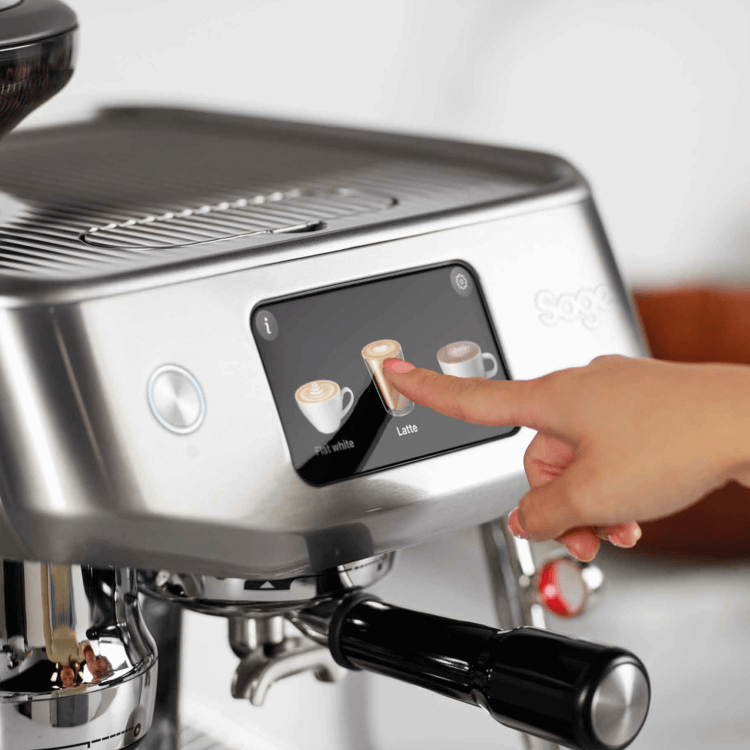
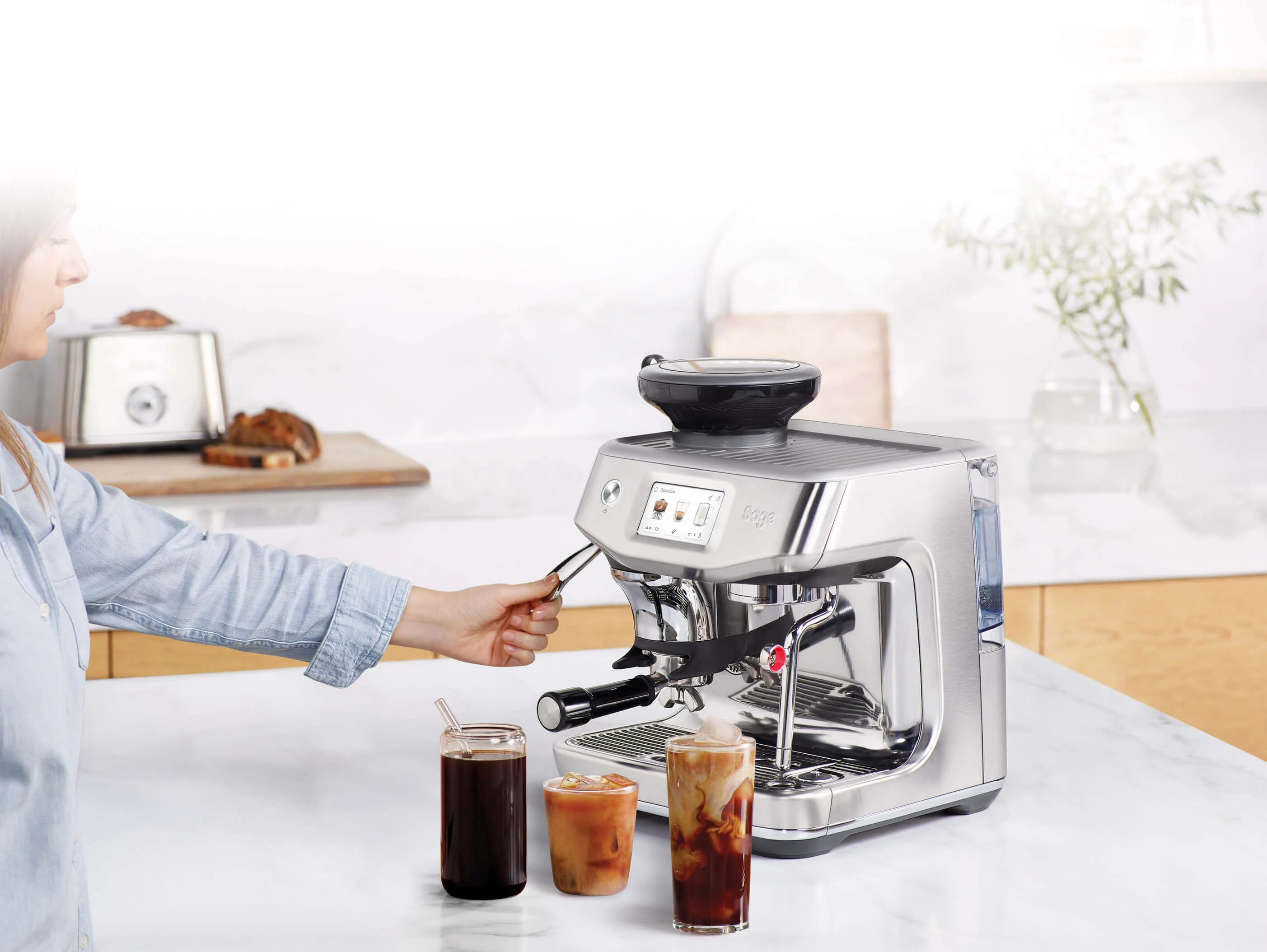
Making the perfect latte begins with the right coffee accessories, beans, and ingredients. But first, it’s helpful to understand the espresso machine types available. From semi-automatic models that provide hands-on control to fully automatic options that streamline the process, the type of machine you use can influence your results.
Now, here’s what you’ll need to get started:
Essential equipment
● An espresso machine with a steam wand
● A milk frother (if your espresso machine doesn’t have a wand)
● A milk jug for steaming and pouring
● A digital scale to ensure accurate measurements
● A thermometer to monitor milk temperature
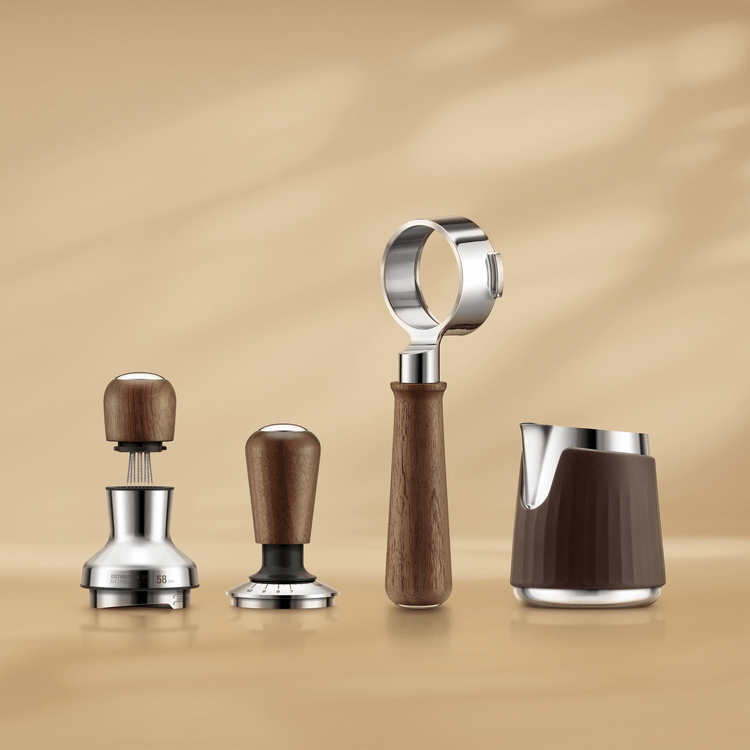
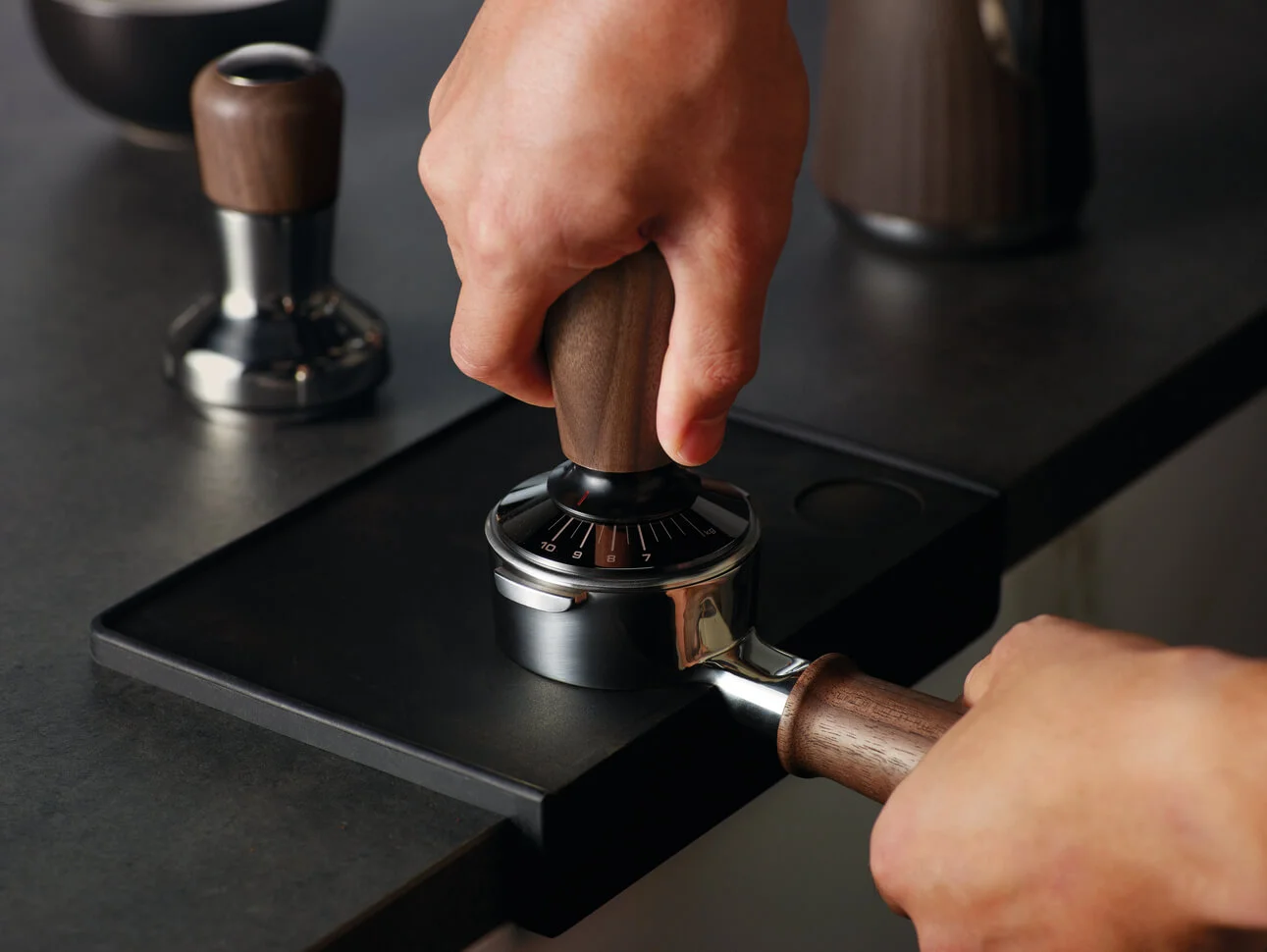
● A tamper to evenly compact the coffee grounds in the portafilter
Ingredients checklist
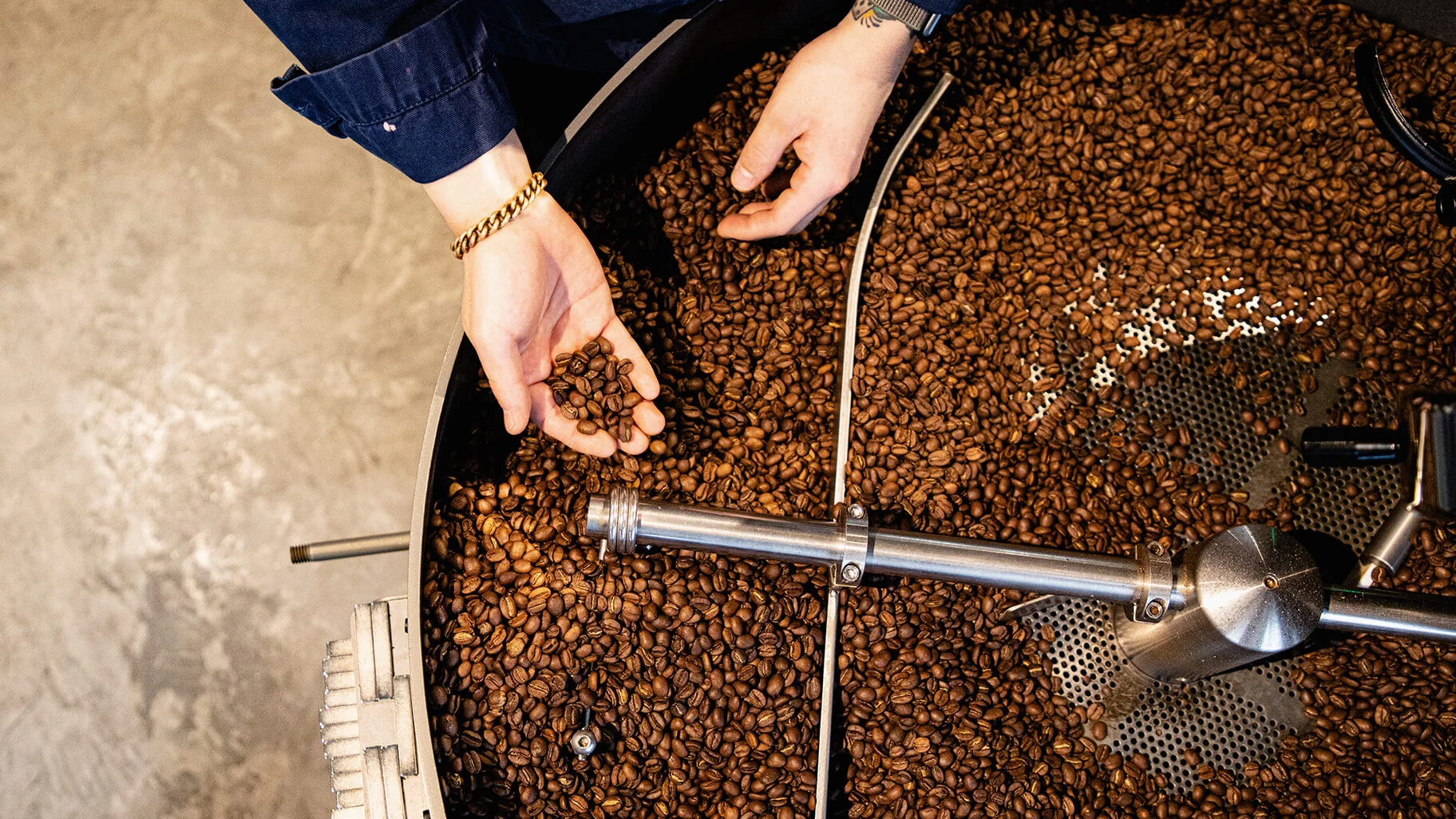
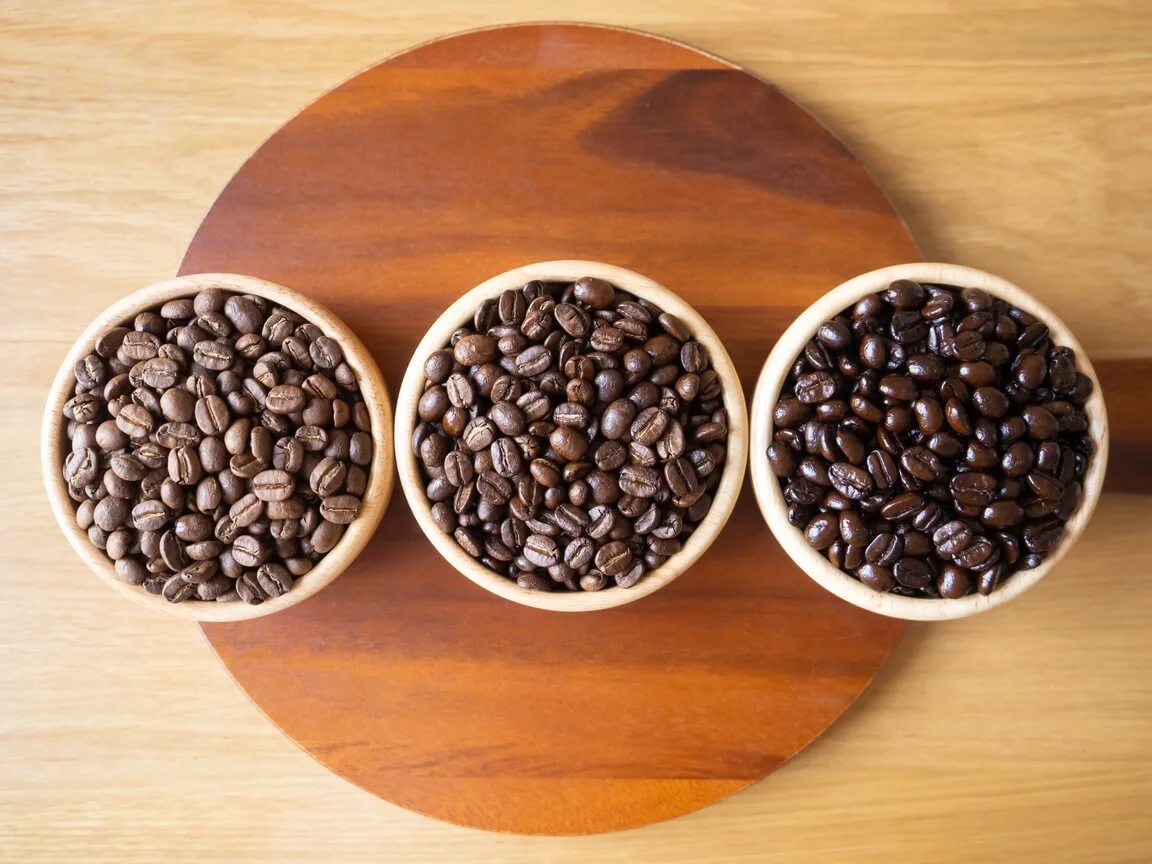
● Freshly ground coffee beans
● Cold milk (whole milk works best, but you can also use oat milk, skim milk, or other alternatives)
● Optional add-ins like vanilla extract or a pinch of pumpkin spice
Optional tools and add-ons
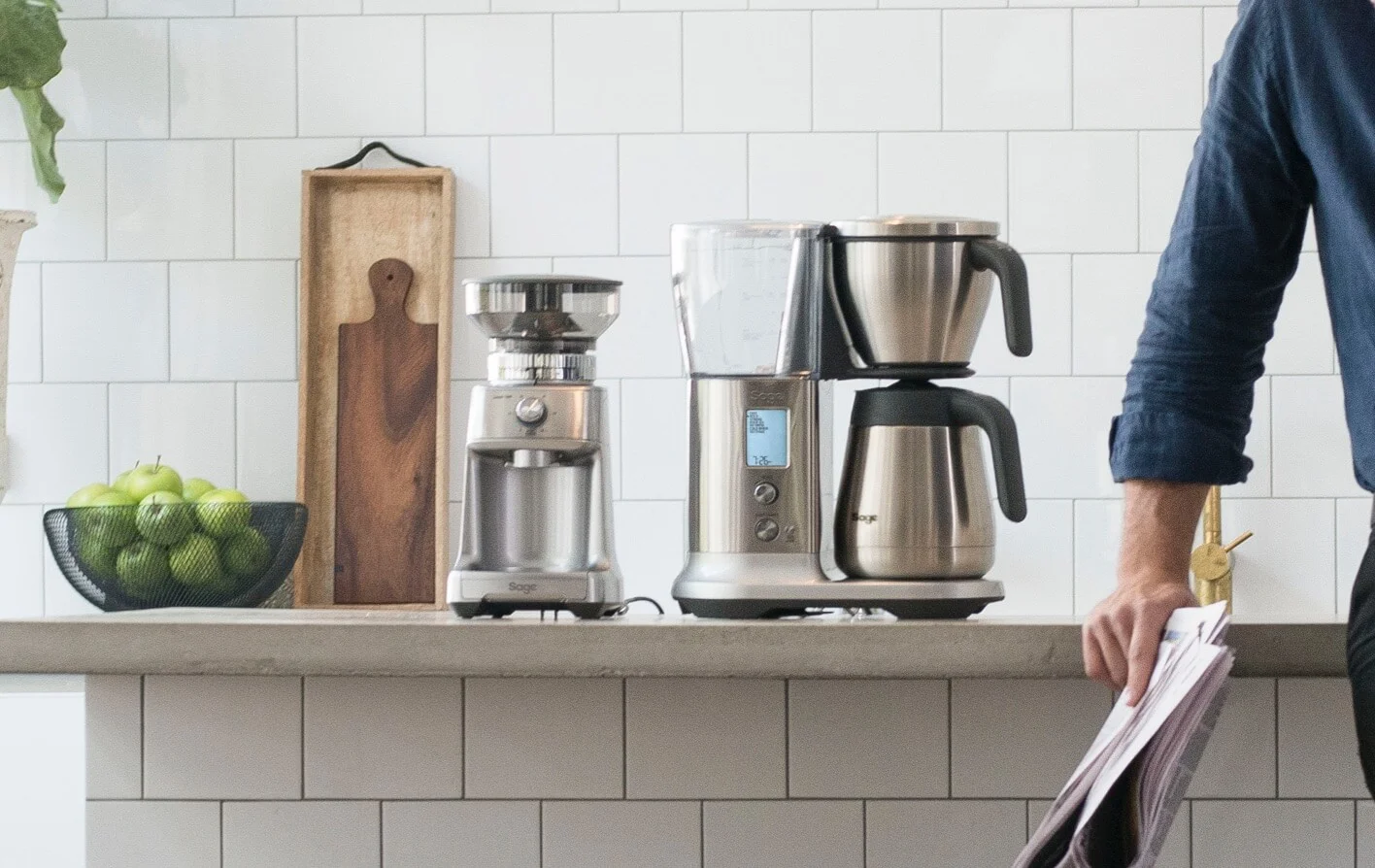
● Coffee grinders for those who prefer freshly ground beans in different grind sizes
● A coffee scale for precise measurements
Additional coffee accessories, such as a dosing funnel or distribution tool, for a more professional setup
Step-by-step guide to making a latte
Here’s your complete guide to learning how to make a latte with an espresso machine.
Step 1: Select and grind the coffee beans
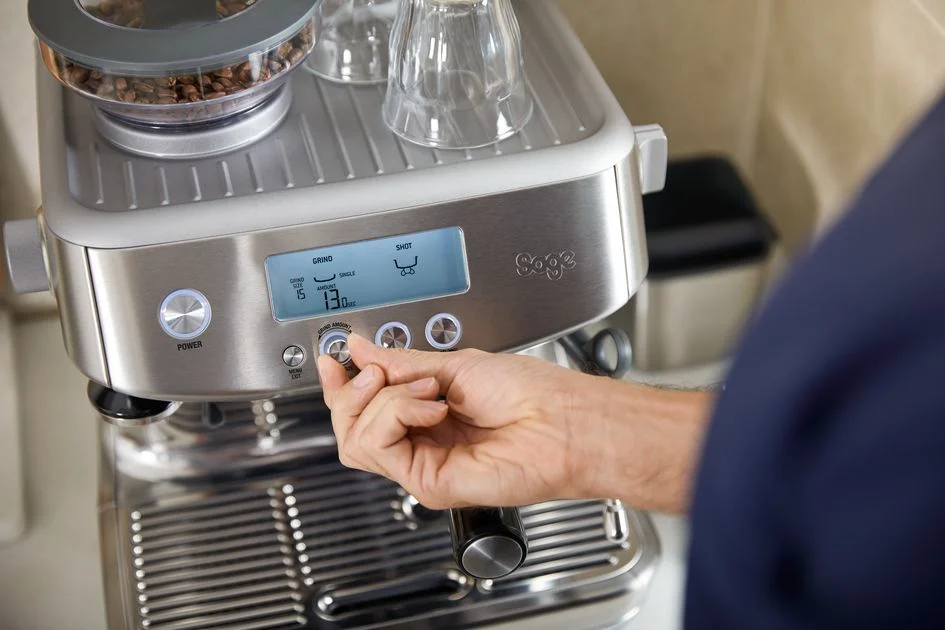
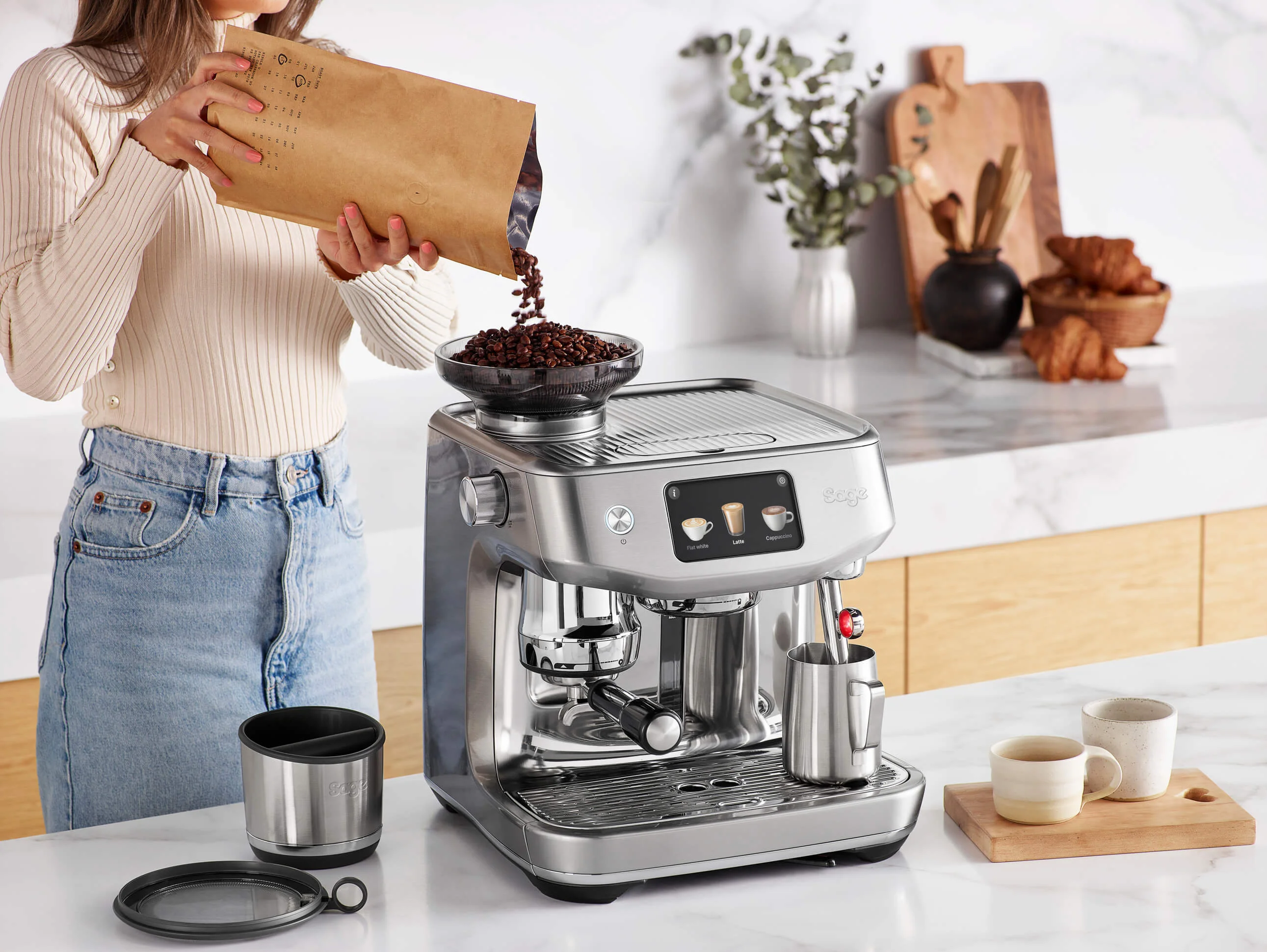
Start with high-quality coffee beans, as they’re the foundation of any great latte. Use a coffee grinder to achieve a fine grind, which is essential for proper espresso extraction. For the best results, consult a coffee grind size chart to ensure you’re using the correct grind for your machine.
Step 2: Pull a perfect shot of espresso
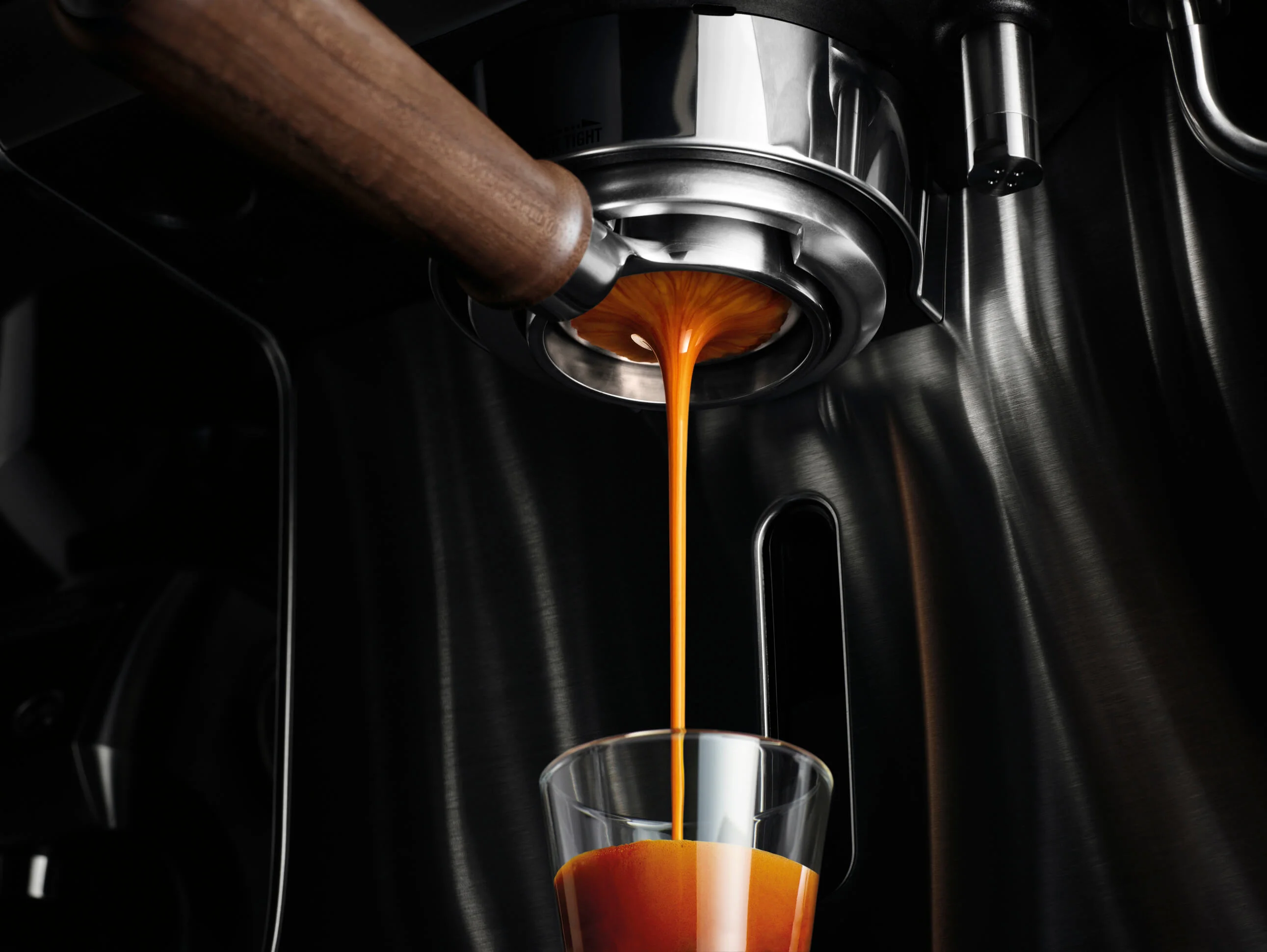
Load your portafilter with the ground coffee and tamp it evenly to create a smooth surface. Insert the portafilter into the espresso maker and start the brewing process. Your goal is a rich, well-balanced espresso shot with a layer of golden crema on top.
Step 3: Froth the milk to perfection
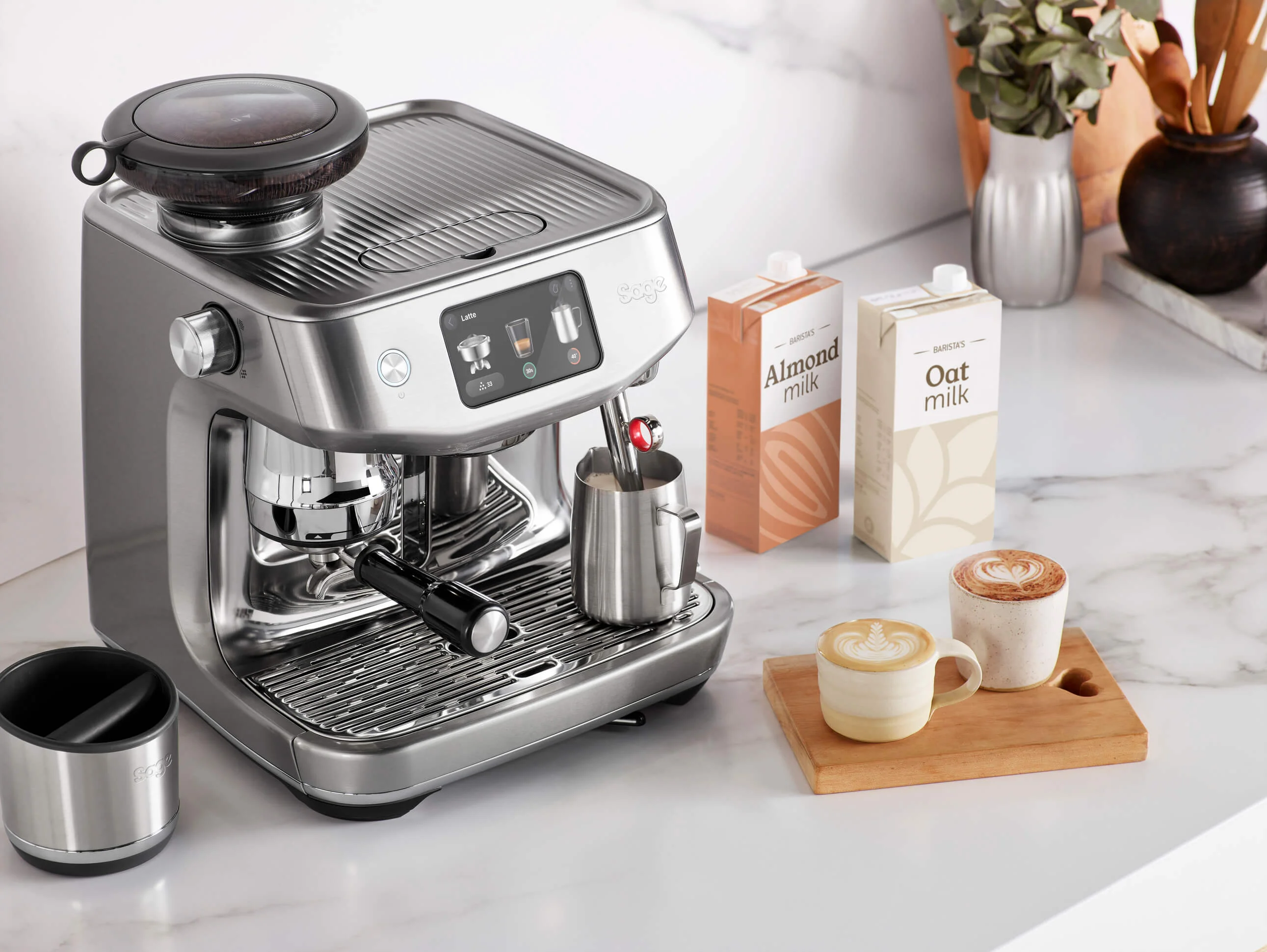
Using the steam wand, heat your milk to around 60–65°C while creating a silky microfoam. This step requires some practice, but mastering how to froth milk will elevate your latte game. If you don’t have a steam wand, a standalone milk frother can also do the job.
Step 4: Pouring and combine espresso with milk
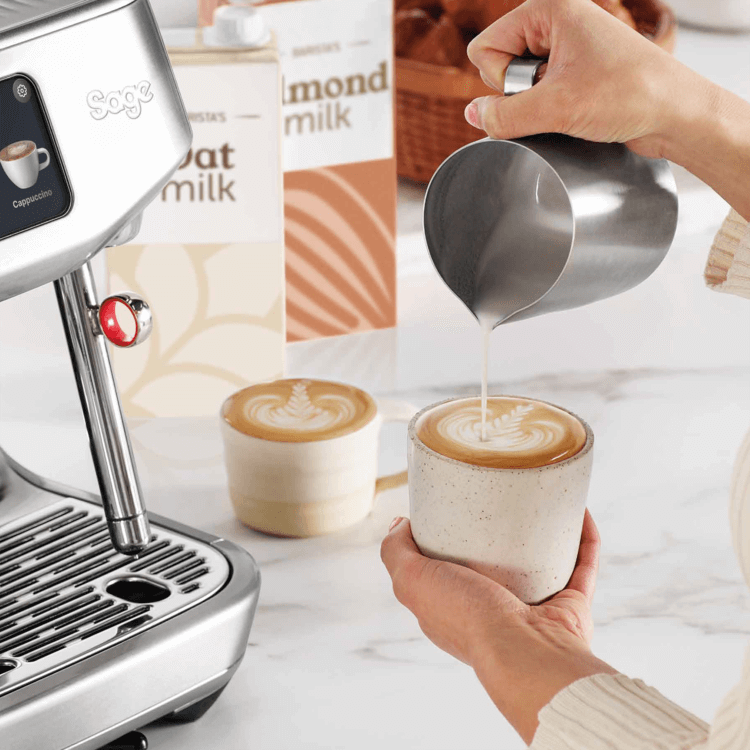
Hold your milk jug steady and pour the steamed milk over the espresso in a gentle, circular motion. Use the frothed milk to create a smooth top layer. For added flair, experiment with latte art by shaping hearts, rosettas, or other designs.
Tips for mastering your latte technique
To take your latte-making skills to the next level, keep these tips in mind:
● Understand espresso ratios and strength: A traditional latte uses one part espresso coffee to three parts steamed milk. If you prefer a stronger flavour, try adjusting the ratio to include more espresso or less milk.
● Perfect your milk texture: The perfect milk texture should be creamy and smooth, with no large bubbles. Achieving this requires good control of the steam wand and practice to create a consistent microfoam. Whole milk is the easiest to froth, but plant-based options like oat milk can also produce excellent results.
Common mistakes and how to avoid them
Even seasoned baristas face challenges when making lattes. Here’s how to avoid the most common pitfalls:
Over-steaming or under-steaming milk
Milk that’s too hot loses its natural sweetness, while under-steamed warm milk won’t have the right texture. Use a thermometer to stay within the recommended temperature range and practice steaming for the best results.
Issues with espresso extraction
An uneven tamp or incorrect grind size can lead to poor extraction. To avoid issues like coffee oil or limescale build-up, distribute the coffee grounds evenly and regularly clean your machine with a descaling solution.
Finishing touches for the perfect homemade latte
Creating a homemade latte is as much about the process as it is the result. With the right must have espresso accessories and a bit of practice, you’ll be crafting drinks that rival those from your favourite coffee shop in no time. Sage offers expertly designed tools and guidance to help you elevate your coffee experience, whether you’re just starting out or honing your skills.
From experimenting with seasonal favourites to mastering the basics, having the right setup makes all the difference. Understanding the features of your espresso machine and investing in high-quality tools will help you enjoy the process every step of the way.
So, why not start brewing today? With Sage by your side, your next delicious latte is just a few steps away.
Sources:
1. CNET. Appliance Science: The High-Pressure Physics of Espresso Coffee. https://www.cnet.com/home/kitchen-and-household/appliance-science-the-high-pressure-physics-of-espresso-coffee/.
2. Holland, Nina. "How to Make a Latte." Food & Wine. www.foodandwine.com/how-to-make-a-latte-7096050.
3. Jiang, H., Zhang, Y., Xu, J., Wu, X., & Yang, L. (2019). Coffee extraction and its impact on flavor: A review. Foods, 8(6), 1-14. https://pmc.ncbi.nlm.nih.gov/articles/PMC6560105/.
4. National Coffee Association. How to Brew Coffee. https://www.ncausa.org/about-coffee/how-to-brew-coffee.
5. The Nutrition Source. "Milk." Harvard T.H. Chan School of Public Health. www.nutritionsource.hsph.harvard.edu/milk/.