Single-origin coffee refers to beans sourced from one specific place (such as a country, region, farm, or estate), allowing you to trace your coffee back to its source and experience the unique flavours shaped by that location.
Single-origin vs blend coffee: Key differences explained
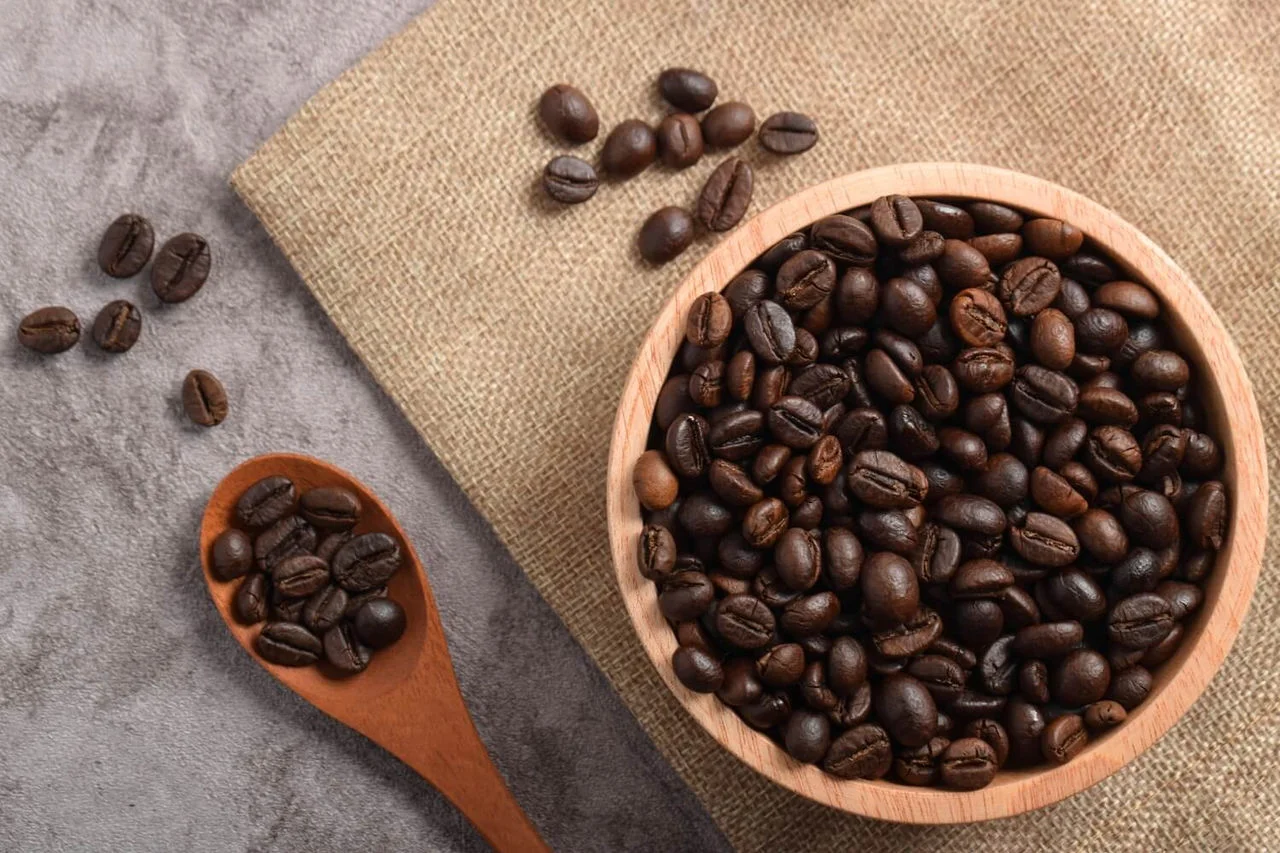
Understanding the difference between single-origin vs. blend coffee helps you choose beans that match your taste preferences and brewing method, whether you’re using espresso machines or opting for manual brewing equipment, rather than relying on guesswork at the supermarket or café.
Why coffee origin matters
Coffee flavour is shaped by terroir, which encompasses the climate, soil, altitude, and processing methods of its origin, particularly in single-origin beans. These factors create distinct acidity, sweetness, body, and aroma profiles.
With specialty coffee consumption reaching new heights and research confirming that altitude affects quality, understanding origin helps you select beans intentionally., The industry's growing preference for fruit-forward, sweeter, and brighter coffees makes understanding origin essential for selecting beans that match these sought-after characteristics.
What is single origin coffee?
Single origin coffee describes beans that come from a singular geographic source rather than a blend. Often, the label will specify one country, a specific region, or even one single producer. That place might be a country like Colombia or an island region such as Sumatra. This focus allows drinkers and roasters to highlight distinctive flavors tied to place and practice.
Characteristics of single-origin coffee
Single-origin coffee showcases its source in distinctive ways:
● Flavour notes: Fruity, floral, citrusy, spicy, or earthy, depending on the origin
● Transparency and nuance: Often lightly roasted to preserve delicate flavours of single origin coffee.
● Higher acidity and complexity: Highlights intricate, origin-specific details
Considerations
Single-origin coffees offer unique tastes but have practical considerations:
● Seasonal availability of single estate coffees: Flavour varies by harvest, and offerings are often limited, which makes keeping coffee beans fresh a key step
● Brewing precision required: Needs careful dial-in to avoid sourness or bitterness, making a quality coffee grinder essential for achieving the best single-origin coffees
● Milk pairing: Lighter origins can get lost in milk, while chocolatey or nutty varieties (e.g., Brazilian, Guatemalan) pair better
Impact on the coffee industry
The popularity of single origin has shifted parts of the coffee industry toward greater transparency, sustainability, and recognition of producer contributions. By labeling and promoting the origin of their coffee, roasters and shops encourage appreciation for the diverse origins that make specialty coffee so compelling.
What is a coffee blend?
A coffee blend refers to coffee beans from multiple origins for a balanced, consistent cup; roasters craft these blends to achieve a specific, reliable year-round taste profile, traditionally using Brazilian Arabica as a foundational component. This approach combines beans from different regions or countries to maintain consistency across seasons, which is crucial in specialty coffee and broader coffee production.
Blends are popular for espresso because this consistency makes every shot taste the same, though some coffee lovers argue single-origin coffee better showcases the unique character of a higher-quality harvest from a specific area rather than the uniform profile of global coffee blends.
Characteristics of coffee blends
Blends are designed for balance and reliability:
● Smoother, rounded profile: Features flavour profiles with notes like chocolate, nuts, or caramel.
● More body, lower acidity: Engineered to complement milk and create reliable espresso
● Consistency: The taste profile is maintained across seasons and harvests
Considerations
The focus on consistency creates trade-offs in sourcing from a single producer:
● Less origin story: Reliable taste is prioritized over a single place's unique story
● Complexity from combination: Layered flavours come from blending, not terroir
● Less experimentation: Designed for dependability, not seasonal exploration
Single origin coffee vs. blend: Key differences
Understanding the distinction between single origin coffee and blends helps you choose beans that suit your taste and preferred brewing style.
Flavour profile
Single-origin coffee offers a distinct, expressive flavour that reflects the characteristics of its specific region or farm. Blends, on the other hand, are designed for balance and consistency, combining multiple flavour notes into a harmonious cup.
Acidity
Single-origin beans often have brighter, more pronounced acidity, which highlights their unique origin qualities. Blends tend to deliver smoother, rounder acidity, creating a more approachable flavour profile for everyday drinking.
Consistency
Because single-origin coffee changes with harvest cycles and seasonal factors, its flavour can vary throughout the year. Blends provide stable, reliable results year-round, as coffee roasters adjust component beans to maintain the same overall taste of the best coffee.
Complexity
Single origins showcase terroir-driven detail—subtle nuances shaped by soil, climate, and altitude. Blends achieve complexity by layering flavours from different coffees to create a complementary, well-rounded cup.
Best brewing methods
Single-origin beans excel in filter, pour-over, and immersion brewing, where their clarity and complexity can be fully expressed. Blends are often preferred for espresso and milk-based drinks, as their balanced structure withstands pressure extraction and milk texture well.
Roast level
Single origin coffees are typically roasted lighter to preserve delicate origin flavours, while blends are often taken slightly darker to enhance sweetness, body, and uniformity across brewing methods.
Which type of coffee should you choose?
Your ideal coffee depends on your taste, brewing style, and preference for consistency versus exploration.
Choose single-origin if you:
● Enjoy exploring unique flavours and regional differences
● Use filter, pour-over, or immersion coffee brewing methods
● Prefer bright, fruity, or floral profiles
● Like experimenting with your brew settings
Choose a blend if you:
● Want a balanced, reliable flavour
● Mostly make milk-based drinks like lattes, or are learning how to make a cappuccino
● Prefer classic chocolate, nut, or caramel notes
● Value predictable espresso results without constant adjustments
Common brewing mistakes with single estate coffee and blends
Brewing single estate coffee and blends effectively requires a more mindful approach than treating all beans the same. Single origins, in particular, tend to demand more precise tuning, while blends are generally more forgiving. When these nuances aren’t considered, the result is often a cup that doesn’t reflect the coffee’s true potential.
One frequent mistake is using boiling water on delicate beans. This can introduce unwelcome bitterness, especially in single-origin coffees. Aiming for a water temperature of around 92–94°C helps maintain a clean, expressive flavour profile. Another issue arises when switching between different single origin coffees without adjusting the grind. Each coffee behaves differently, so both coffee grind size and dose should be recalibrated every time you change beans.
Roast level also plays an important role. Using too dark a roast for filter coffee often overwhelms the distinctive character of single-origin coffee and its varietals, sometimes leading to bitterness that obscures terroir-driven detail. Similarly, poor dial-in for lighter types of coffee roasts can cause extraction problems: under-extraction results in sour espresso, while over-extraction pushes flavours towards sharp bitterness. Paying close attention to these factors helps you get the best out of both single estate coffees and blends.
How Sage machines help you get the best from any bean
Great coffee requires precision and control. Our machines provide the tools to unlock any bean's potential, whether sourced from a single country or blended from multiple origins.
Sage technology enhances brewing with:
● Precise temperature control: Maintains stable heat for delicate single-origin extractions, showcasing the unique characteristics of every single farm
● Low-pressure pre-infusion: Enhances sweetness and ensures even extraction, ideal for bright single origins
● Integrated grinders with micro-adjustments: Delivers a consistent grind when switching beans
● Programmable shot volume: Lets you dial in the ideal brew ratio for any coffee
With the right tools, especially well-designed kitchen appliances from Sage that provide precise control over grind, temperature, and extraction, you can bring out the best in any bean, from a bright Ethiopian single origin to a rich, chocolatey blend.
Sources:
1. MDPI. Enhancement of Coffee Quality Attributes by Combining Processing Methods and Varieties. https://www.mdpi.com/2306-5710/10/1/10
2. MDPI. The Growing Altitude Influences the Flavor Precursors, Sensory Characteristics and Cupping Quality of the Pu'er Coffee Bean. https://www.mdpi.com/2304-8158/13/23/3842
3. National Coffee Association USA. Specialty coffee consumption hits 14-year high. https://www.ncausa.org/Newsroom/Specialty-coffee-consumption-hits-14-year-high
4. Perfect Daily Grind. Espresso is changing – but does it need to? https://perfectdailygrind.com/2024/10/espresso-is-changing-specialty-coffee/