Coffee can be made at home using several methods. There's no right or wrong approach, as people have unique preferences and lifestyles.
Coffee can be made at home using several methods. There's no right or wrong approach, as people have unique preferences and lifestyles.
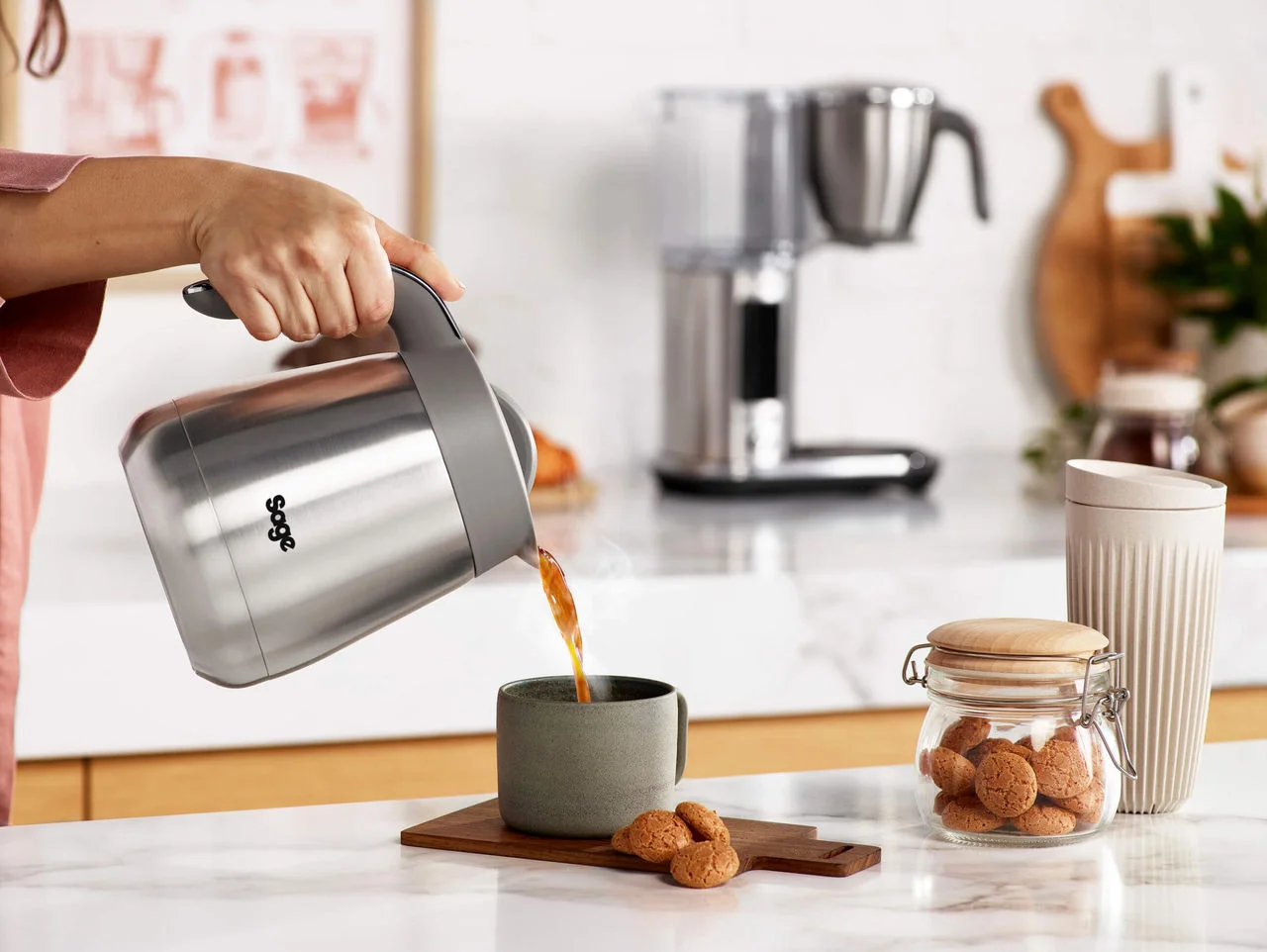
Coffee can be made at home using several methods. There's no right or wrong approach, as people have unique preferences and lifestyles, but how you brew your coffee plays an important role in the strength, texture, acidity, and final flavour.
Techniques for extracting coffee from ground coffee beans range from pressure-based to immersion to automatic drip. This article explores the most popular coffee brewing methods, including how they work and what equipment, time commitment, and skill level are involved.
Each brew method calls for varying amounts of water, grind sizes, levels of pressure, filter types, temperatures, and extraction times. All these variables affect the final product, influencing the taste, aroma, texture, and caffeine content of your coffee.,
For some, the choice will be based on convenience, while others may be willing to put in a bit more time and effort to create the perfect cup of coffee.
Whether you're a coffee drinker who enjoys a simple cup of filter coffee or someone who prefers a specialty coffee experience, there are countless brewing methods to explore. Let's look at seven of the most common coffee brewing methods.
Espresso is known for its bold flavour and rich crema at the top of each shot. It typically has a higher caffeine concentration than other types of coffee, though you usually drink a smaller volume of espresso.
● Brewing process – Espresso uses a quick, high-pressure extraction method, sending hot water through finely ground coffee beans to draw out the solids and oils and create a concentrated brew.
● Grind size and dose – Coffee grind size plays a critical role when it comes to making espresso. You need finely ground coffee to make espresso and can use 18 to 22 grams per shot.
● Flavour profile – As a concentrated brew, espresso has an intense flavour, rich aroma, and thick layer of crema on top.
● Ideal for – Espresso is used for café-style drinks, such as lattes and cappuccinos, as well as straight shots.
● Tools – Aside from an espresso machine, you'll need a coffee grinder with precise, fine settings, a coffee scale, a tamper, a portafilter, and other espresso machine accessories. (Some espresso makers have these components built in.)
Automatic drip, or filter, coffee is among the easiest brewing methods. The low-effort approach involves little more than adding water and ground coffee to the machine.
● Brewing process – Water is heated and then slowly poured over the ground coffee, allowing it to drip down into a carafe.
● Grind size – Automatic drip coffee usually uses a medium grind size.
● Flavour profile – This brewing technique is known for its balanced aroma, mild flavour, and smooth finish. Some people find it slightly sweeter than other types of coffee but with less body.
● Ideal for – An automatic drip coffee machine is ideal for large households, serving guests, and busy lifestyles.
● Tools – You need a drip coffee maker, a grinder, and paper filters or a reusable filter basket.
Pour-over is the manual version of automatic filter coffee.
● Brewing process – This method involves slowly pouring hot water in a circular motion over ground coffee, allowing a steady stream to drip through a paper filter and down into a glass carafe. This is a great method if you’re brewing coffee for one to two people.
● Grind size – Pour-over coffee uses a medium-to-fine grind size to ensure a balanced extraction.
● Timing – Make sure you're pouring the water very slowly over the ground coffee beans. If it gets too full, pause until the water drips down, then start again with slow circles. This should take two or three minutes.
● Flavour profile – Pour-over coffee has a clean, bright finish and flavour clarity, making it a good option for bringing out the nuances of single-origin coffee beans.
● Ideal for – Those who like more control over flow and extraction or who want an easy, affordable way to make coffee that doesn't require electricity or a high skill level.
● Tools – You'll need a Chemex, V60, or similar pour-over coffee brewer with an optional glass carafe and cone-shaped or flat-bottomed dripper, as well as cone paper filters and a gooseneck kettle.
Cafetière (French press) coffee is favoured among many coffee lovers for its full-bodied taste and the minimal equipment needed.
● Brewing process – Cafetière uses an immersion-based brewing method for full extraction. Ground coffee is steeped with hot water in a beaker, then the grounds are separated from the brew using a filter plunger.
● Steeping time – A four-minute steeping time is typical for French press coffee.
● Grind size – This coffee brewing method uses a coarse grind size so that the particles easily filter out when it's time to separate them.
● Flavour profile – Cafetière is known for its bold aroma, intense coffee taste, and slightly oily texture.
● Ideal for – This is a good option for those who appreciate a somewhat slow, mindful routine. It's not overly complex but takes focus and attention to detail.
● Tools – You need a French press, a coffee grinder with coarse settings, a kettle for heating and pouring water, and a timer.
Invented in 2005 by Alan Adler, AeroPress coffee is a relatively new brewing method.
● Brewing process – This manual technique combines immersion-based brewing with air pressure. An AeroPress steeps ground coffee in hot water, then plunges down to force the coffee through a filter and into a cup at the bottom.
● Grind size – This method uses a medium-fine grind size.
● Timing – The coffee can steep for one to three minutes, depending on how concentrated you want your brew.
● Flavour profile – AeroPress coffee has a smooth finish and a rich flavour profile, with the option to customise the strength by adjusting the steeping time.
● Ideal for – People looking for an easy, versatile, or travel-friendly option may consider an AeroPress. It's also good for experimentation.
● Tools – You'll need an AeroPress, which usually comes with a stirrer, scoop, funnel, and filters.
Moka pots offer a simple way to make concentrated coffee on a stovetop.
● Brewing process – A Moka pot heats hot water in its bottom chamber, which builds steam pressure to force the water up through coffee grounds, allowing brewed coffee to fill the upper chamber.
● Grind size – This method uses a medium-fine grind size.
● Flavour profile – The finished brew is concentrated with a powerful aroma and an espresso-like flavour profile.
● Ideal for – A Moka pot is an excellent choice for people who like bold coffee (or espresso) who may want to go without a proper machine.
● Tools – Beyond a Moka pot, you'll need a heat source (such as a stovetop or hot plate) and a coffee grinder.
The cold brew method makes coffee using cold water instead of hot water.
● Brewing process – Ground coffee is steeped in cool or room-temperature water.
● Grind size – Cold brew uses a coarse grind size.
● Steeping time – For traditional cold brew coffee, the steeping time is much longer than other methods. The coarse coffee grounds soak in the cold water for at least 12 hours and up to 24 hours. But some modern coffee makers have cold extraction features to make the process much faster.
● Flavour profile – Cold brew coffee generally has a lower acidity, which results in a mellow, smooth, and sometimes sweeter coffee taste.
● Ideal for – If you prefer chilled coffee drinks or like to have an iced beverage on hot days, it's worth learning how to make cold brew at home.
● Tools – You'll need a cold brew keg, glass jug, or large mason jar, plus a coarse grinder, a fine mesh strainer, and a paper filter or cheese cloth.
Everyone's idea of "the perfect cup of coffee" is unique, and some prioritise convenience and affordability over taste. For example, those who prefer a rich, concentrated brew may opt for an espresso machine or Moka pot. People who want an easy or automated process might choose a drip coffee machine or pour-over kit.
Consider your budget, how much time you want to spend making coffee each day (and cleaning up afterwards), your personal preferences, and your lifestyle. You might want to try multiple brewing methods to discover what you like best.
Whichever option you choose, Sage has the tools you need to get started. Browse all of our kitchen appliances to get started today.
Sources:
1. Journal of Food Composition and Analysis. Impact of the human factor on the reproducibility of different coffee brewing methods. https://www.sciencedirect.com/science/article/pii/S0889157523005720
2. Science Reports. Influence of coffee brewing methods on the chromatographic and spectroscopic profiles, antioxidant and sensory properties. https://pmc.ncbi.nlm.nih.gov/articles/PMC8560948/
3. Specialty Coffee Association (SCA) Coffee Science Foundation. Towards a Greater Understanding of Coffee Brewing Fundamentals. https://coffeescience.foundation/brewing-fundamentals
4. Specialty Coffee Association (SCA). Exploring "Alternative" Brewing Methods to Drive Sweetness. https://sca.coffee/sca-news/community/exploring-alternative-brewing-methods-to-drive-sweetness
5. University of Newcastle, Australia. Study reveals which cup of coffee delivers the biggest caffeine kick. https://www.newcastle.edu.au/newsroom/featured/study-reveals-which-cup-of-coffee-delivers-the-biggest-caffeine-kick
6. Perfect Daily Grind. Which filter coffee brewing method is best for you? Six years on. https://perfectdailygrind.com/2021/11/which-filter-coffee-brewing-method-is-best-for-you-six-years-on/
7. Perfect Daily Grind. Long brew times are no longer the norm for cold coffee. https://perfectdailygrind.com/2024/06/new-cold-coffee-technology-means-shorter-brew-times/
8. Perfect Daily Grind. Exploring the evolution of the AeroPress. https://perfectdailygrind.com/2023/08/evolution-of-the-aeropress-clear-brewer/
9. CoffeeGeek. French Press Revisited: Polished Immersion Brewing. https://coffeegeek.com/blog/techniques/french-press-revisited-polished-immersion-brewing/
10. CoffeeGeek. 10 Types of Coffee Makers. https://coffeegeek.com/guides/feature-guides/ten-types-of-coffee-makers-full-guide/
11. Sprudge. A Compendium Of Brew Guides From Sprudge. https://sprudge.com/a-compendium-of-brew-guides-from-sprudge-163869.html