Meal prepping transforms the way you approach daily cooking by preparing ingredients or complete meals in advance, helping you save time, save money, and reduce weekday stress.
How to meal prep for the week: A complete guide
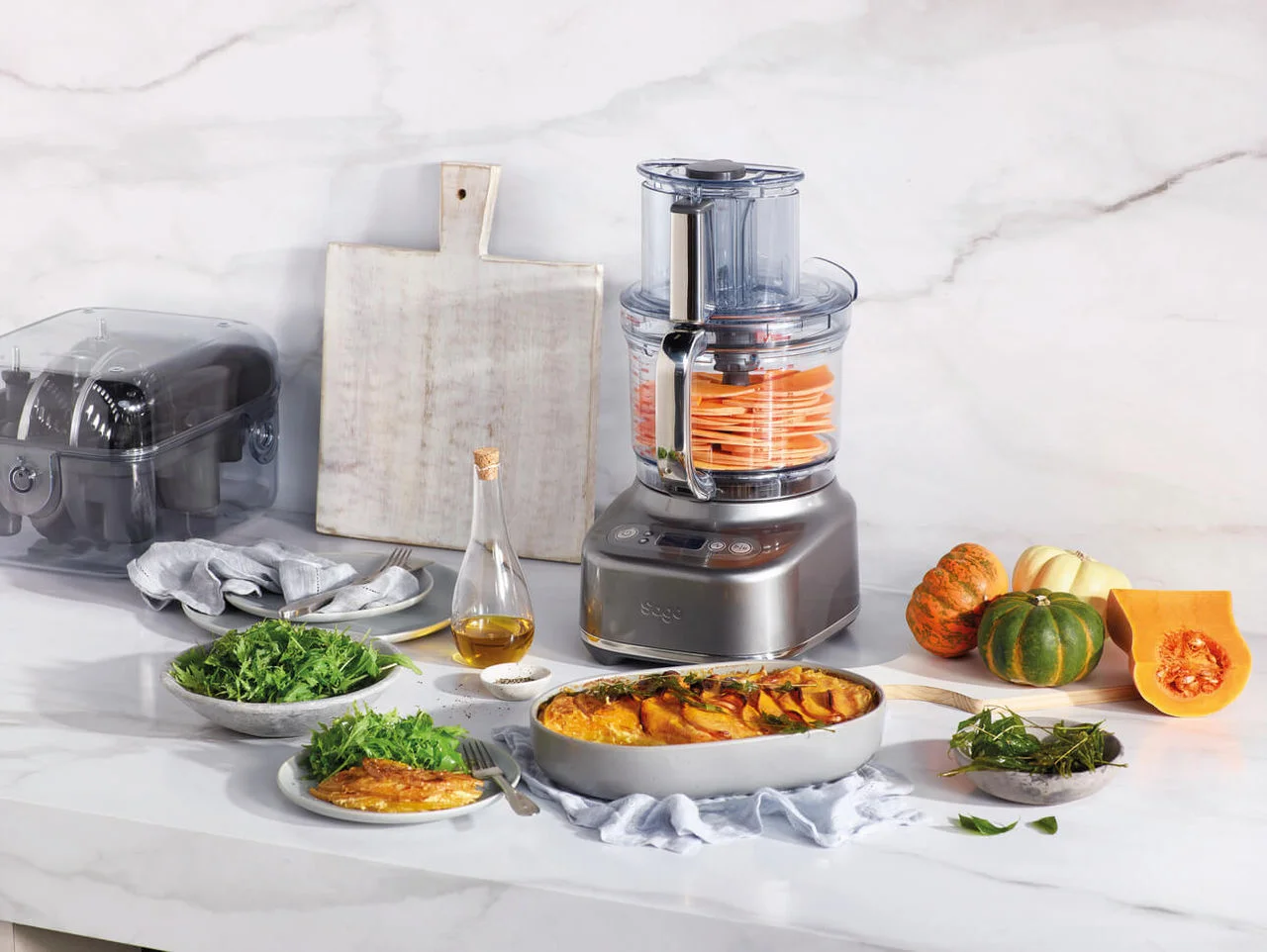
Instead of starting from scratch each evening, you’ll have ready-to-assemble components, healthy meals, and grab-and-go options that make every meal easier to manage. Discover simple, reliable ways to meal prep, focusing on realistic planning, versatile cooking methods, and safe storage practices that keep food fresh throughout the week.
What you’ll learn:
● Practical meal prep ideas for busy households
● How to meal prep without rigid schedules or complicated recipes
● Ways to batch-cook proteins and grains for healthy meals across several days
● Tips to keep food fresh, varied, and enjoyable from breakfast to lunchtime
● How smart preparation helps you save money and reduce food waste
● Why meal prepping remains a leading food trend for simplifying everyday cooking
Start with a realistic weekly plan
Meal prep begins with your actual schedule, not the ideal version you imagine at the start of the week. To start meal prepping effectively, count the breakfasts, lunches, and dinners you genuinely need, including work meetings, social plans, and evenings when you’d rather cook fresh. This realistic approach helps reduce food waste, which often happens when people plan to eat more than their schedules can accommodate.
Balance repeated meals with flexible components. You might eat the same lunch three times, for example, while varying your dinner sides to keep things interesting. This keeps your routine manageable, supports your goal to eat healthy, and prevents leftovers from lingering in the freezer untouched.
Use this simple template for balanced, filling meals and easy, healthy meal prep ideas:
● One protein: Chicken, beans, eggs, or tofu
● One grain or starchy vegetable: Rice, pasta, sweet potatoes
● One or two vegetables: Fresh or roasted options
● A sauce or dressing: To add flavour variety and keep every meal enjoyable
Choose recipes that share overlapping ingredients, such as onions, garlic, or olive oil. This shortens your shopping list, helps you save money, and reduces the risk of produce spoiling before you use it. Opt for reusable containers to organise your meals neatly and store prepped components safely, a small shift that makes the whole process feel more streamlined.
Make a smart shopping list
An organised shopping list prevents forgotten items and saves time. Structure it by store section—such as produce, proteins, pantry staples, and dairy—to move efficiently without having to backtrack. This level of organisation becomes even more important when considering the benefits of meal prepping, especially as UK shoppers are still spending £17 billion on food that ends up being thrown away, an average of £1,000 a year for a household of four people.
Stock these versatile staples for flexible meals, whether you’re planning a salad, a healthy breakfast, or lunch the next day with leftovers prepped and ready to go:
● Proteins: Hard-boiled eggs, tinned beans, lentils, and chickpeas for quick add-ins
● Grains: Rice, pasta, quinoa, whole grains
● Vegetables: Frozen peas and spinach, fresh onions and carrots, plus pre-chopped options for speed
Seasonal produce usually offers better flavour at lower prices, supporting any new meal prep routine and making it easier to eat healthy throughout the week. Storing your food in glass containers can also improve freshness and visibility, helping you keep track of what needs using. Before shopping, review your plan to confirm quantities and avoid overbuying perishables so everything you prep stays purposeful.
Prep ingredients before cooking
Ingredient prep turns chaotic cooking into simple assembly. In one session, wash and chop vegetables, portion grains, and marinate proteins for the week ahead. Batch cooking reflects what meal prepping means in practice: creating balanced meals made from components that are easy to prepare and ready to use over three meals a day, even if you eat them for several days in a row.
Prepare aromatics like diced onions, minced garlic, and chopped herbs in batches. Store them in airtight food storage containers to keep everything prepped and ready to go for multiple recipes. Adding healthy fats such as olive oil or avocado can also help round out your meals.
Learning how to use a food processor is invaluable here, as it helps you shred cabbage, blitz sauces, or make hummus in seconds. It also speeds up preparing types of food like slaws, dips, and roasted veggies, giving you more variety in your weekly plan.
Always store raw and cooked ingredients separately to prevent cross-contamination. For example, use different cutting boards for raw meat, poultry, and seafood, and another for produce, bread, and foods that will not be cooked.
Whether you're working on breakfast meal prep, assembling balanced meals, or simply refining how you like to prep, ingredient prep forms the foundation of any new meal prep routine.
Cook versatile "building block" components
Cooking versatile components rather than complete meals is a great way to save both time each day and reduce decision fatigue. It offers far more variety than eating the same dish repeatedly, while also helping you eat healthier throughout a busy week.
Roast or poach proteins like chicken, tofu, or chickpeas that reheat well and can anchor three recipes or more. Large batches of grains such as rice or quinoa can be reused in bowls, stir-fries, or sides over three meals or several days in a row. Adding frozen vegetables to your routine is another practical shortcut since they’re easy to prepare, stay fresh for longer, and help ensure you always have different types of food ready to go.
Roast vegetables like sweet potatoes, Brussels sprouts, and courgettes on large trays for maximum efficiency. For crisp, flavourful roasted veggies, ovens and air fryers deliver reliable heat during busy weeknights.
Prepare one or two sauces or dressings to add flavour variety; even a single condiment can transform a meal. A high-performance blender makes smooth sauces and breakfast smoothies with minimal effort. With the right grocery list and a handful of favourite recipes you like to prep, you’ll find that planning helps maintain a routine that supports healthy eating while keeping your food stay fresh in proper food storage containers.
Assemble meals for easy grab-and-go days
With your components ready, assembling meals is simple. Portion them into single-serving containers to eliminate guesswork on busy mornings. This approach supports meal planning and gives you a practical beginner's guide to building complete meals that stay fresh throughout the week.
To prevent flavour fatigue, vary your combinations throughout the week:
● Monday: Chicken, rice, roasted vegetables with lemon dressing
● Tuesday: The same chicken in a wrap with fresh lettuce and a different sauce
● Wednesday: A grain bowl with the same vegetables but a different protein
● Thursday: Leftover roasted vegetables stirred into pasta with a light pesto or herb dressing
● Friday: Chickpeas or tofu served over quinoa with a crunchy salad on the side
● Saturday: A warm bowl using rice, roasted vegetables and a fried egg for a quick, balanced meal
● Sunday: A simple traybake using whatever vegetables remain, topped with your preferred protein
This works well if you like to prepare three recipes at once, since it provides structure without feeling repetitive. It is also a great way to turn leftovers for lunch into something interesting the next day, especially when dinner one night becomes lunch the next day in a bento-style container.
Pack delicate toppings like herbs, nuts, guac, or lemon wedges separately, adding them just before eating to maintain texture. This keeps flavours vibrant and ensures your meals stay enjoyable on busy weeknights.
When it comes to meal prep ideas for breakfast, consider adding hard-boiled eggs, yoghurt with fruit, or overnight oats to keep your fridge stocked with options that are prepped and ready to go.
Store meals safely and keep them tasting fresh
Proper storage keeps meals safe and appetising. Most cooked meals last three to four days in the fridge (below 4°C). However, the benefits of vacuum sealing can significantly extend storage times, allowing you to preserve a full week’s worth of food without compromising quality. This is especially useful for meal prep recipes for breakfast, lunches, or dinner options you want ready throughout the week.
Never leave perishable food out for more than two hours, or one hour if temperatures are above 32°C. Label containers with prep dates to track freshness, making it easier to rotate meals and avoid waste.
Keep older meals at the front of your fridge, following proper chilling and storage guidelines for maximum safety. For longer storage, freezer options work well. Freeze soups, stews, and cooked grains for up to three months after they have cooled completely, or consider vacuum sealing for optimal freshness and neatly organised portions.
When reheating, choose a method that suits the type of meal you’ve prepared. Ovens or air fryers are ideal for restoring crispness to roasted vegetables and proteins, helping them taste freshly cooked rather than steamed. Microwaves are better suited to soups, stews, and grain-based dishes, as they heat liquids evenly and quickly without drying the food out.
Avoid common meal prep pitfalls
Newcomers often make mistakes that lead to waste or abandoned routines. Start small with two or three days of meals instead of a full week. This is crucial since 40% of household food waste happens because food was not used in time. Use quality airtight containers to prevent leaks and keep food fresh.
Plan for variety in flavour and texture to keep meals interesting:
● Rotate cuisines: Mediterranean one week, Asian-inspired the next
● Mix textures: Combine soft grains with crunchy vegetables or crispy toppings
Avoid prepping delicate ingredients like avocado or soft lettuce too far ahead. Instead, add them on the day you eat for the best taste and texture.
Keep your meals interesting all week
Identical meals become tedious. Simple modifications can transform base ingredients into new experiences. Refresh leftovers with:
● Different sauces: Transform plain chicken with pesto, then teriyaki sauce
● Texture additions: Sprinkle toasted seeds or nuts for crunch
● Fresh elements: Add herbs or citrus just before eating
Designate a fresh-cook night to break up your routine and prevent burnout. Ovens and air fryers offer precise reheating that maintains food quality, so day-three meals taste almost freshly cooked.
Meal prep made simple
Meal prep should save time and reduce stress, not add complexity. Start with simple recipes and basic techniques, expanding your skills as the habit forms. Sustainable meal prep matches your lifestyle rather than rigid rules. Whether you batch cook on Sundays or opt for shorter weekday sessions, consistency matters more than perfection.
Quality kitchen appliances, like those designed by Sage for efficient, reliable cooking, make the process smoother and more enjoyable. With the right approach and equipment, meal prep becomes a long-term habit that supports healthier, easier eating every week.
Sources:
1. Centers for Disease Control and Prevention. Preventing Food Poisoning. https://www.cdc.gov/food-safety/prevention/index.html
2. United States Environmental Protection Agency. Preventing Wasted Food At Home. https://www.epa.gov/recycle/preventing-wasted-food-home
3. WRAP. Household food waste levels threaten UK's carbon reduction ambitions. https://www.wrap.ngo/media-centre/press-releases/household-food-waste-levels-threaten-uks-carbon-reduction-ambitions