Weeknight dinners often bring a familiar dilemma: you're too tired to cook, decision fatigue sets in, and takeaway becomes the easiest option.
Batch cooking for beginners: Tips to get started
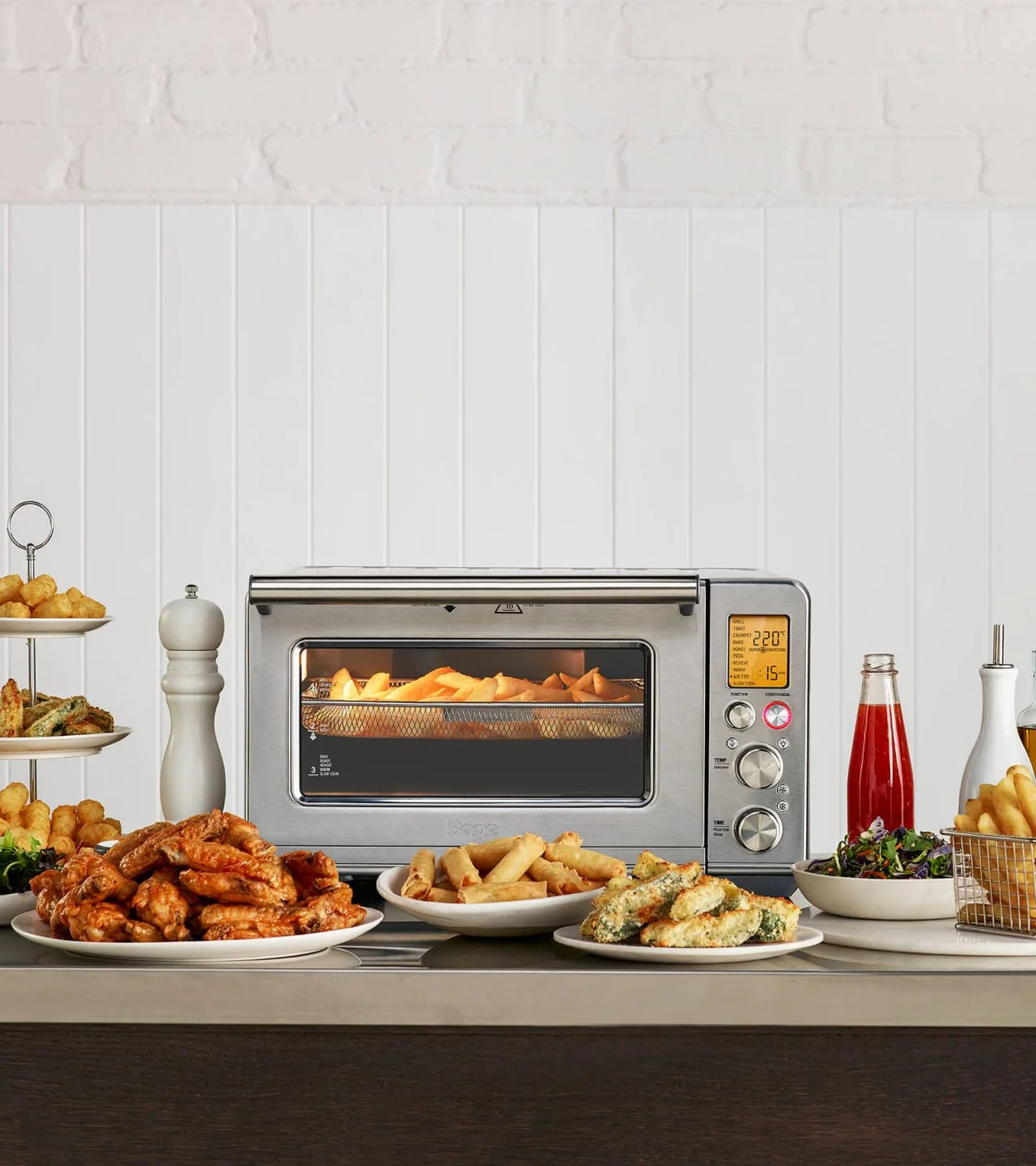
Batch cooking solves this by preparing large quantities of meals or components at once. This involves cooking double or triple recipes of staples like chilli, sauces, or grains, then portioning and storing them for quick assembly throughout the week.
You don't need advanced skills or a complicated meal plan to get started. This guide covers beginner-friendly recipes, a clear step-by-step workflow, proper storage techniques, and common mistakes to avoid, plus practical tips to make batch cooking simple and sustainable. Using appliances like air fryer ovens can help streamline preparation and reheating for consistent results.
What is batch cooking?
Batch cooking involves preparing larger quantities of meals or components at once for later use, often selecting dishes that allow for batch cooking and freezing without compromising flavour or texture. Instead of cooking from scratch nightly, you might cook a large batch of chilli, bolognese, or sauces, then portion and store them for future meals. This saves time on busy evenings, whether you're reheating spaghetti for the family or using a base that supports multiple dishes.
As you explore recipes that will work across several days, you’ll find batch cooking supports both structure and creativity in your kitchen routine and is an essential step in learning how to meal prep. It also contributes to a wider environmental goal: households in the UK still throw away millions of tonnes of edible food each year, creating avoidable greenhouse gas emissions and threatening national carbon reduction ambitions unless waste is reduced.
Batch cooking offers several advantages:
● Time-saving: Spending a few hours cooking once instead of every evening consolidates food preparation and clean-up time.
● Cost-effective: Buying ingredients in bulk helps lower costs and reduces reliance on expensive takeaways.
● Reduces waste: Using perishable ingredients before they spoil highlights the importance of intentional meal planning in lowering household food waste.
● Flexibility: Prepped components make it easy to vary flavours and build a menu that suits your schedule.
Beginner-friendly foods for batch cooking
When starting out, focus on forgiving foods like beef stew, potato dishes, or even a simple pie—each an idea that cooks well in large quantities and maintains its flavour and texture after storage. These options also fit easily into a weekly menu, helping you plan ahead without overthinking each Sunday meal prep session.
Roasted vegetables, such as carrots, broccoli, and peppers, can be batch-prepared for salads or grain bowls. Oven-bake methods and air fryers deliver consistent heat for even roasting and can re-crisp vegetables midweek. A touch of cream stirred into soups or sauces can also add richness when reheating.
Protein staples like cooked chicken, beans, lentils, or seasoned mince are versatile foundations for quick meals and can be paired with your prepared roasted veggies. For busy weeks, try adding slow cooker chicken into your rotation to lighten the load, for tender meat ready for wraps, stir-fries, or pasta dishes. Grains such as brown rice, quinoa, and pasta cook efficiently in bulk, store well, and can be refreshed in under 30 minutes.
Whether you're following a favourite batch cooking recipe or experimenting with new combinations, remembering to stir flavours through thoroughly will help each dish taste freshly made, even days later.
Step-by-step guide to batch cooking
A clear workflow makes your first session manageable, requiring a two- to three-hour window, whether you’re cooking on a weekend or after work.
Plan your batch cooking session
Choose 2–3 core recipes, for example, a vegetarian chilli, roasted vegetables, or even a classic pork dish, and let these serve as inspiration for healthy meals or easy family dinners throughout the week. Creating a shopping list that groups shared ingredients, such as onions, tinned tomatoes, bacon, or herbs, helps reduce waste and keep costs down. Adding a jar of pesto or grated cheese can also give you quick ways to vary flavours without extra effort.
Cook in efficient stages
Cook in stages for maximum efficiency: prepare proteins first, whether that’s chicken, beans, or pork; then prep and roast vegetables while they cook; and finally prepare your grains. Using a food processor speeds up chopping, while a multi cooking pot simplifies grains and one-pot dishes.
Store, label, and freeze properly
Once cooled, portion meals into freezer-safe bags or containers. To ensure food safety, divide food into smaller portions before refrigerating or freezing. Remove excess air, freeze bags flat to save space, and label everything clearly with its contents and date. When you’re ready to eat, many dishes will simply defrost and reheat without losing quality.
Tips to make batch cooking simple and more enjoyable
Practical strategies make batch cooking sustainable, especially when you want flexibility during the week. Instead of preparing full meals in advance, you can focus on prepping ingredients like washing and chopping vegetables or cooking grains and proteins in bulk so they can be combined in different ways later on.
1. Use versatile bases. A large batch of tomato sauce can become pasta sauce, a pizza topping, or the base for shakshuka. Roasted vegetables work beautifully as sides, folded into wraps, or blended into soups.
2. Rely on helpful appliances. Ovens and air fryers save time and deliver consistent results. Research shows that air frying often outperforms other reheating methods for preserving texture and flavour in batch-cooked meals.
3. Refresh meals with simple garnishes. Keep ingredients like fresh herbs, toasted nuts, or a squeeze of lemon ready to brighten reheated dishes and add contrast.
With a few reliable tips, techniques, and adaptable ingredients, batch cooking becomes a practical, enjoyable routine that supports better eating throughout the week.
Batch cooking doesn't need to be complicated
Starting small is often the most effective approach. Preparing just two recipes and a batch of rice can make your entire week run more smoothly, reducing the pressure of daily cooking and supporting better eating habits. With a little planning and a couple of hours in the kitchen, the payoff is noticeable by mid-week.
Reliable appliances also make a difference. Ovens and air fryers provide steady, even heat that supports efficient batch cooking, while Sage kitchen appliances are designed to deliver consistent, repeatable results that help you prepare high-quality meals with confidence. Whether you’re roasting vegetables or reheating portions later in the week, dependable equipment keeps the process simple and stress-free.
Sources:
1. WRAP. Household food waste levels threaten UK's carbon reduction ambitions. https://www.wrap.ngo/media-centre/press-releases/household-food-waste-levels-threaten-uks-carbon-reduction-ambitions
2. Food Standards Agency. How to chill, freeze and defrost food safely. https://www.food.gov.uk/safety-hygiene/how-to-chill-freeze-and-defrost-food-safely
3. MDPI. Impacts of Various Reheating Methods on Crispy Chicken: Physicochemical Properties, Oxidation and Flavor Profiles. https://www.mdpi.com/2304-8158/14/9/1574