Food processors have become mainstays in many modern kitchens, offering a helping hand for everything from everyday prep to more ambitious cooking projects.
How to use a food processor: A beginner’s guide
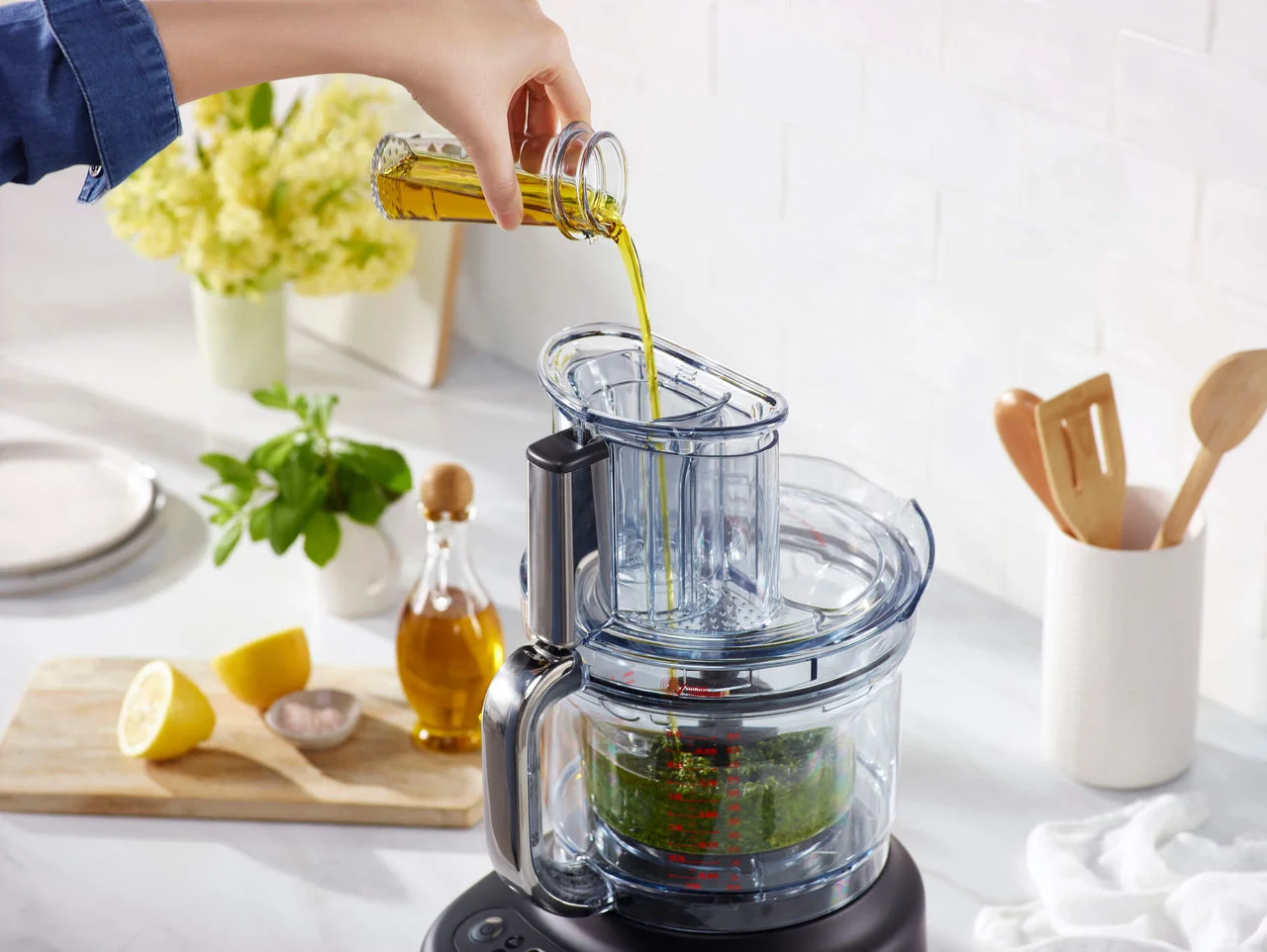
But if you’ve just picked one up for the first time, you might be wondering where to begin. Whether you’re chopping vegetables for soup, mixing pastry dough, or blending sauces, understanding how to use a food processor properly can make meal prep quicker, easier, and more enjoyable.
This beginner’s guide walks you through the basics, from identifying key components to step-by-step instructions and practical tips to help you get the most out of your machine.
Key parts of a food processor and how they work
While designs may vary slightly between models, most food processors share a core set of parts that serve specific functions:
● Base and motor: The main unit that powers the blade and other attachments. A strong motor is especially useful for heavier tasks like mixing dough or grinding nuts.
● Work bowl and lid: The bowl is where the processing happens. It’s typically made from clear plastic and locks onto the base. The lid often includes a feed tube for adding ingredients mid-process.
● Blades and discs: These accessories are what allow your processor to slice, grate, chop, or mix. The S-shaped blade is the all-rounder, ideal for tasks like chopping, mixing, or creating a puree.
● Attachments: Many models come with additional tools for grating, shredding, or even kneading. Some systems also include smaller bowls or mini-processors for more targeted tasks.
If your model includes colour-coded parts, like Sage’s Cook by Colour system, this makes identifying and using the right blade or disc even easier, especially when following colour-matched recipes.
How to use a food processor step by step
Once you're familiar with the parts and attachments, it's time to put your food processor to work. From slicing ingredients for a stew to kneading dough to making a quick dip, following a clear process helps you get consistent, efficient results. Below is a step-by-step guide that covers everything from setup to cleanup, so you can use your food processor with confidence from the very first go.
Step 1: Assemble the food processor
Start by placing the work bowl on the base, twisting it until it locks into place. Insert the chosen blade or disc onto the central spindle. Then fit the lid securely. Most machines won’t operate unless everything is properly aligned.
Step 2: Choose and install the right blade or attachment
Pick the tool suited to your task. The S-blade is your go-to for general chopping and blending. For slicing, shredding, or grating, switch to a disc attachment. Some models also come with a dough blade designed specifically to knead pastry or bread mixes.
Step 3: Add ingredients safely
Cut larger ingredients—like root vegetables or whole fruits—into manageable chunks. Fill the bowl no more than halfway with solid ingredients or two-thirds with liquids to allow room for movement. If needed, use the feed tube and pusher to add food while the machine is running.
Step 4: Select the right speed or function
Use the pulse setting for more control, especially if you’re aiming for a coarser texture. Continuous speed works well for smoother results, such as sauces, dips, or soups. Some models have pre-set functions that take out the guesswork entirely.
Step 5: Process and check consistency
Once you start, keep an eye on the texture. Pause if needed to scrape down the sides of the bowl or redistribute the ingredients. For trickier mixes—like butter doughs or thick dips—you may need to process in short bursts to avoid overmixing.
Step 6: Clean and store properly
Always unplug before cleaning. Carefully remove the blade or disc, then disassemble the rest of the machine. Most parts are dishwasher-safe, but it’s wise to rinse them straight away to avoid dried-on bits. Store your attachments together so they’re easy to grab next time you need them.
Tips for getting the best results from your food processor
A food processor can handle a wide range of prep tasks, but like any tool, a few simple habits can make a big difference in how well it performs. These practical tips will help you get more consistent textures, faster results, and a smoother overall experience every time you use your machine.
1. Prep ingredients beforehand: Even the best food processor works more efficiently when ingredients are cut to size.
2. Use the right tool for the job: Don’t try to shred cheese with a dough blade or mix pastry with a slicing disc.
3. Work in batches: Overfilling the bowl often leads to uneven results.
4. Scrape and stir as needed: Sometimes, a quick pause to rearrange the contents can make all the difference.
With a little care and attention, your food processor will quickly become one of the most reliable tools in your kitchen.
Common mistakes to avoid when using a food processor
Even with a reliable machine, a few small missteps can lead to frustration or less-than-perfect results. No matter if you’re new to using a food processor or simply looking to fine-tune your routine, avoiding these common mistakes can help you get the most from your appliance.
1. Forgetting to lock components: The machine won’t start if the lid or bowl isn’t secure.
2. Choosing the wrong speed or setting: Delicate tasks require lighter handling, while denser mixes need more power.
3. Using it like a blender: While some food processors can blend, they’re better suited for textured mixtures. For ultra-smooth results, a blender is still your best bet.
Avoiding these simple errors helps keep your food processor working efficiently and saves you time on redoing prep.
Choosing the right food processor for your kitchen
Finding the best food processor for your kitchen depends on how you like to cook and what kinds of tasks you want it to handle. If you regularly prepare tougher mixtures—like bread dough or homemade meatballs—you’ll want a model with a powerful motor that can take on heavier loads with ease. Bowl size also plays a role; larger capacities are ideal for batch cooking or feeding a family, while compact options suit smaller households or those short on storage space.
Attachments can make or break a machine’s versatility. Models that come with a variety of blades, discs, and accessories give you more flexibility for slicing, grating, and kneading. Finally, don’t overlook ease of use. Features like colour-coded parts, intuitive controls, and pre-set modes can make the whole process smoother, especially for those just getting started.
If you’re weighing a food processor vs. mixer, think about what you need day to day. Mixers are excellent for whipping and baking, while food processors take the lead on prep, chopping, and blending.
Getting the most out of your Sage food processor
Learning how to use a food processor is a smart step toward more efficient, enjoyable meal prep. Whether you’re blending dips, chopping herbs, or shaping dough, this kitchen staple proves itself time and again. With quality design, thoughtful attachments, and clever features like Cook by Colour, Sage food processors are built to help you cook well and with confidence—all with a 30-year warranty on food processor motors.
Browse more kitchen appliances to get started.
Sources:
1. MasterClass. Chopped vs. Diced: Compared. https://www.masterclass.com/articles/chopped-vs-diced-compared
2. The Kitchn. A Guide to the Food Processor Blades and Discs You’re Not Using. https://www.thekitchn.com/a-guide-to-the-food-processor-blades-and-discs-youre-not-using-228700