The difference between light roast vs dark roast coffee influences far more than colour alone.
Light vs dark roast coffee: Key differences explained
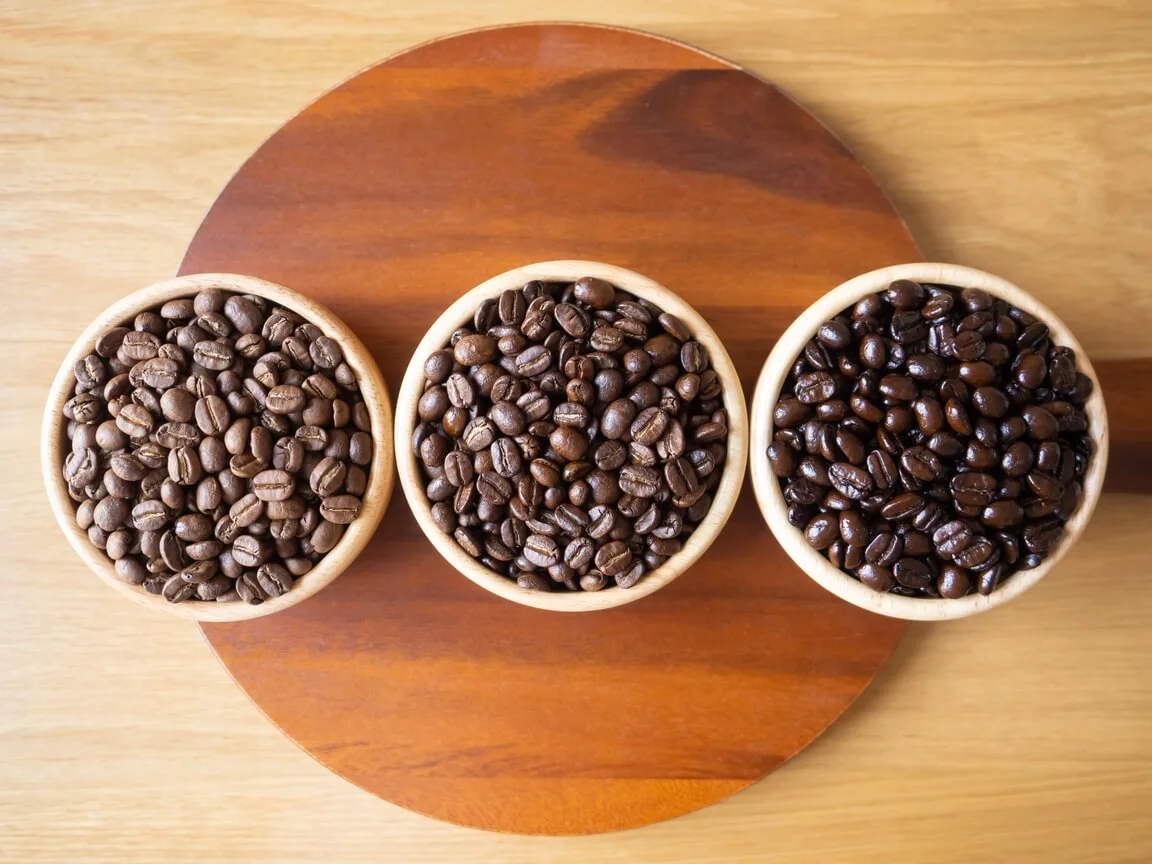
Roast level affects flavour, aroma, acidity, body, and even how the beans behave across various brewing methods. Understanding these distinctions makes it easier to choose beans that suit your taste and produce consistently satisfying cups at home.
This guide will discuss:
● The key differences between light and dark roasts
● How roast level affects flavour, body, and brewing performance, particularly in relation to the bitterness of coffee
● The truth behind common caffeine misconceptions in drinking coffee
● Tips for getting the best results from each roast level at home
With the right technique and the help of precise, user-friendly equipment such as espresso machines with controlled temperature and pressure, you can enjoy everything from bright, fruit-forward light roasts to rich, robust dark roasts in your own kitchen.
Why roast level matters in coffee
Roast level refers to how heat transforms green coffee beans, developing the sugars and oils that shape the flavour and aroma across different types of coffee roasts. Coffee roasting is considered the most critical process in developing sensory characteristics. When beans are roasted, this transformation defines your coffee's taste profile more than any other single factor.
While light roasts preserve the bean's original character, dark roasts develop deeper caramelised notes from the roasting process itself, often resulting in a coffee that is more bitter than light roast. This knowledge allows you to select beans that align with your flavour preferences and brewing equipment.
What is light roast coffee?
Light roast coffee is roasted for a shorter time at lower temperatures, stopping shortly after “first crack,” which is the audible popping sound that occurs as sugars begin to caramelise. Research shows that acidity peaks during the first crack and then decreases as roasting continues. This results in beans that are light brown in colour and a dry, non-oily surface, perfect for brewing light roast coffee.
The flavour profile centres on higher acidity, which creates a bright, tangy sensation on your palate. You’ll discover complex notes like citrus, berries, and floral hints, all delivered with a lighter body that feels more tea-like than traditional coffee, showcasing the antioxidant properties of the beans.
These characteristics make light roast coffee beans ideal for brewing methods that highlight clarity and complexity:
● Pour-over methods: Bring out the nuanced flavours and bright acidity
● Filter coffee: Showcase the bean’s origin characteristics
● AeroPress: Extract clean, complex flavours without bitterness
However, brewing light roasts requires precision to avoid sour, under-extracted flavours, which can detract from the initial flavours of the beans. Higher water temperatures and finer grind settings often work better, particularly when making espresso.
What is dark roast coffee?
Dark roast coffee takes the opposite approach, with beans roasted longer at higher temperatures past “second crack.” While extended roasting can cause natural oils to migrate toward the surface, specialty coffee roasters typically avoid roasting beans so dark that visible oil appears, as this indicates over-roasting.
Beyond their deep brown colour, dark roast coffee beans offer a completely different coffee experience. The taste features bold and robust notes of chocolate, caramel, and nuts, delivered with a fuller, heavier body and notably low acidity.
This smooth, mellow character makes dark roast beans perfect for specific brewing applications:
● Espresso: Bold flavours cut through milk beautifully, with studies showing 15% higher coffee concentration in espresso extracts from darker roasts, enhancing the overall body of a dark roast
● Milk-based drinks: Stand up well to lattes and cappuccinos, especially when you're learning how to make a cappuccino at home
● French press: Complement the brewing method’s full-bodied extraction
To get the best results with dark roasts, avoid water that’s too hot or over-extraction during brewing, as these can lead to unwanted bitterness and mask the coffee's complex flavour profile.
Light vs. dark roast: Key differences at a glance
Light roast and dark roast can be distinguished by the length of time the beans are roasted and their resulting taste profiles. As the beans heat and darken, their chemical and physical properties shift in predictable ways, contributing to the oily surface due to the roasting process.
Flavour
Light roasts tend to taste bright, fruity, floral, and more complex, whereas dark coffee offers richer, bolder notes such as chocolate, nuts, or smoke.
Acidity
Light roasts generally have a tangier, more pronounced acidity. Dark roasts sit at the opposite end of the spectrum, with smoother, lower acidity.
Body
Light roasts often feel lighter and more tea-like. Dark roasted beans develop a fuller, heavier body with a more coating mouthfeel due to the longer roasting process.
Appearance
Light roasts are typically light brown with a dry surface. Dark roasts develop a deeper brown colour as roasting progresses.
One persistent myth suggests there are dramatic caffeine content differences between the two, but the reality is far more subtle. Research shows that caffeine levels in brewed dark roasts are generally slightly lower than in light and medium roasts when brewed under identical conditions. Because light roast beans are denser, a standard scoop contains a little more caffeine, though in everyday drinking, the difference is minimal and rarely noticeable.
Another difference is carbon dioxide content. Dark roast coffee tends to retain more CO₂ during longer roasting times, resulting in thicker crema when brewed as espresso. While crema texture varies by roast and freshness, it is not a reliable indicator of overall coffee quality.
How to choose the right roast for your brew method
Your preferred coffee brewing methods often determine which roast will deliver the best results. Different roast characteristics naturally complement specific preparation styles, such as the preference for either light or dark roasts.
Light roasts are often recommended for those who want to explore origin flavours and enjoy bright, complex cups. They’re ideal if you appreciate the fruity or floral notes that showcase a bean’s terroir, especially when using pour-over, filter, or immersion methods.
Conversely, dark roasts tend to work better if you prefer traditional coffee flavours that pair well with milk. Choose dark roasts if you regularly make espresso or milk-based drinks and enjoy bold, smooth tastes with minimal acidity—particularly if you’re drawn to traditional Italian-style espresso, which is typically roasted darker.
Learning how to brew coffee with different roasts helps you discover your personal preferences through hands-on experimentation.
Common brewing mistakes with light and dark roasts
Small adjustments make significant differences when brewing different roasts, as each type has specific requirements that lead to disappointing results when ignored.
With light roasts, common mistakes include using water that’s too cool, which creates sourness, as well as using a coffee grind size that is too coarse, resulting in weak, sharp flavours in drip coffee. Many people also forget to adjust their brewing recipe when switching from dark roast, leading to inconsistent results.
Dark roast mistakes typically involve using boiling water or extracting for too long, both of which may result in bitter-tasting espresso. Additionally, grinding too fine can cause harsh over-extraction and potentially clog your equipment.
Regardless of roast level, freshness remains crucial. You should buy fresh beans and store them in an airtight container away from light and heat, as roasted coffee stales faster once opened. Quality espresso makers with adjustable temperature controls and a reliable coffee grinder provide the precision needed to dial in perfect extraction for any roast.
There’s no “better" roast, only what suits you
The choice between light and dark roast coffee is entirely personal, driven by your individual flavour preferences and brewing habits. Neither of these two popular roasts is objectively superior. Instead, understanding their unique characteristics empowers you to make confident bean selections.
With the right methods and equipment, you can achieve consistently excellent results from any roast level. Thoughtfully designed kitchen appliances like those from Sage, built for precise temperature, pressure, and extraction control, make it easier to highlight the best qualities of every bean and craft a cup of coffee that suits your taste perfectly.
Sources:
1. About Coffee. Storage and shelf life. https://www.aboutcoffee.org/beans/storage-and-shelf-life/
2. arXiv. Chemical strategies to mitigate electrostatic charging during coffee grinding. https://arxiv.org/abs/2312.03103
3. MDPI. Effect of Roasting Level on the Development of Key Aroma-Active Compounds in Coffee. https://www.mdpi.com/1420-3049/29/19/4723
4. Nature. Caffeine content in filter coffee brews as a function of degree of roast and extraction yield. https://www.nature.com/articles/s41598-024-80385-3
5. Nature. Titratable acidity as a primary indicator of coffee quality. https://www.nature.com/articles/s41598-024-57256-y