Pressure cookers can help you create dishes with restaurant-level results in a fraction of the time, yet many home cooks hesitate to use them because of outdated safety concerns or uncertainty about how they work.
How to use a pressure cooker: A beginner’s guide
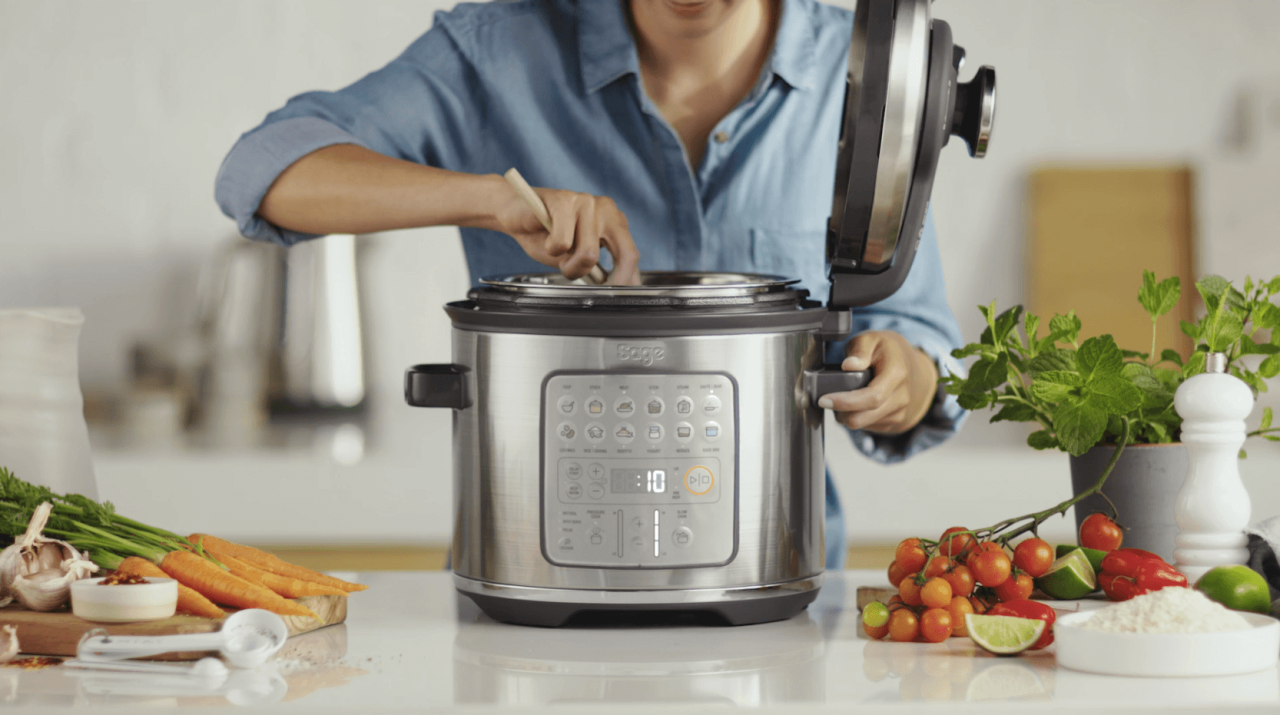
In reality, learning to use a pressure cooker properly is an efficient, reliable way to prepare everything from tender braised meats to evenly cooked grains.
Before we get started, here’s a quick overview of what this guide will cover:
● How modern pressure cookers work and why they’re safe to use
● Essential tips for getting started with your appliance
● Techniques for cooking meats, grains, vegetables, and more
● Common mistakes to avoid for consistent results
● Cleaning and maintenance advice to keep your pressure cooker in top condition
This guide is designed for both new and experienced users who want to maximise the benefits of their pressure cooker.
What is a pressure cooker?
A pressure cooker is an airtight pot that cooks food faster by allowing water to reach temperatures above its normal boiling point of 100°C. By trapping steam inside, the sealed environment prevents water from boiling away, raising the cooking temperature and speeding up the cooking process. Modern pressure cookers typically operate around 30 psi, enabling higher water temperatures and significantly faster cooking compared to conventional boiling methods. This difference is often highlighted in slow cooker vs. pressure cooker comparisons.
Modern electric models and multi-cookers have transformed this once-intimidating appliance with built-in safety features and automated programmes that make pressure cooking straightforward for beginners.
Preparing your pressure cooker for use
Start by checking that all components are clean and properly fitted. The sealing ring should sit snugly in the lid groove, while the pressure valve should move freely without obstruction.
Since every pressure cooker needs liquid to create steam, add at least 250 ml of water, stock, or sauce to your pot before adding ingredients. Proper filling then becomes crucial for both safety and even cooking:
● Don't overfill: Fill no more than two-thirds capacity for most foods
● Foamy foods need space: Only fill halfway when cooking beans, grains, or pasta
● Use the trivet: Place delicate items on the rack to keep them above the liquid
Step-by-step guide to using a pressure cooker
Once you understand the basic process, using your pressure cooker becomes a routine task. Each step builds on the previous one to create the sealed, pressurised environment needed for fast cooking. Use these easy-to-follow steps to master using a pressure cooker.
1. Add ingredients and liquid
Place your food in the inner pot with the required liquid. Many electric models allow you to brown meat or sauté vegetables first using the “sear” function before adding liquid and switching to pressure cooking. For recipes that require chopped vegetables or minced ingredients, using a food processor can significantly speed up the preparation time.
2. Seal the lid and check the valve
Lock the lid in place until you hear a click or chime, then turn the pressure release valve to “sealing” or “closed” to prevent steam from escaping during cooking.
3. Select cooking mode and pressure level
Choose the appropriate programme for your recipe, such as meat, soup, or rice. While high pressure works for most foods, low pressure suits delicate items like fish or eggs.
4. Start cooking
Set your cooking time and start the appliance. The cooker will first heat up and build pressure before the timer begins counting down. Traditional boiling can take up to 45 minutes, while pressure cooking can achieve the same results in around 15 minutes, showing just how much time this method saves.
5. Release pressure after cooking
Once cooking finishes, you have two pressure release options. Following proper food storage guidelines becomes essential at this stage, especially if you're not serving immediately.
Natural release lets pressure drop gradually over 10-30 minutes and works best for meats and soups. In contrast, quick release involves turning the valve to “venting” to release steam immediately, which prevents vegetables from overcooking.
6. Open the lid safely
Wait for the float valve to drop completely before opening the lid. Always tilt the lid away from you to avoid any remaining steam.
Safety tips for pressure cooking
Although modern pressure cookers include multiple safety mechanisms, following basic precautions ensures a trouble-free cooking experience. Most importantly, never attempt to force the lid open while the unit is pressurised. Additionally, always verify that your food has reached safe internal temperatures by using a food thermometer before serving.
Essential safety practices to follow include:
● Wait for the signal: Only open when the float valve has dropped
● Mind the fill line: Overfilling can block vents and create safety issues
● Check the seal: Inspect the sealing ring regularly and replace it if cracked
● Handle foamy foods carefully: Use natural release for beans and grains
● Adjust for elevation: Higher altitudes require longer cooking times to maintain proper pressure
Cleaning and maintenance
Proper care ensures your pressure cooker continues to work reliably for years. After each use, disassemble the lid components for thorough cleaning in warm, soapy water. The sealing ring requires particular attention and should be replaced every three years under normal usage to maintain proper sealing performance.
Since the sealing ring can absorb odours, store the lid upside down on the cooker to let it air out between uses. You may want to consider vacuum sealing your batch-cooked dishes from your pressure cooker to preserve their quality and extend storage time.
For the exterior, simply wipe with a damp cloth, but never submerge the electrical base in water.
A simple way to elevate day-to-day cooking
Pressure cooking brings together speed and reliable cooking methods to create flavourful, tender meals with minimal effort. Whether you prefer a dedicated smart pressure cooker or a versatile model that also functions as a slow cooker, these appliances offer dependable results for everyday cooking.
With Sage’s thoughtfully designed pressure cookers, it’s even easier to achieve consistent, high-quality dishes that fit seamlessly into your routine. Explore more kitchen appliances today.
Sources:
1. Oxford Academic. Comparative study of the effect of boiling and pressure cooking on the nutritional quality of Bambara groundnut. https://academic.oup.com/ijfst/article/59/6/3907/7808346
2. U.S. Consumer Product Safety Commission. Best Buy Recalls Insignia™ Pressure Cookers Due to Burn Hazard. https://www.cpsc.gov/Recalls/2024/Best-Buy-Recalls-Insignia-Pressure-Cookers-Due-to-Burn-Hazard
3. Colorado State University Extension. Adjusting for Elevation When Preparing Foods in an Electric Pressure Cooker. https://extension.colostate.edu/resource/adjusting-for-elevation-when-pressure-cooking/
4. Penn State Extension. Pressure Canner Checklist. https://extension.psu.edu/pressure-canner-checklist/