Upwards of 80% of coffee drinkers in the UK make their coffee at home. If you're one of them, you should know how to make the best cup (or pot) of coffee every day, every time.
10 coffee hacks you need to try
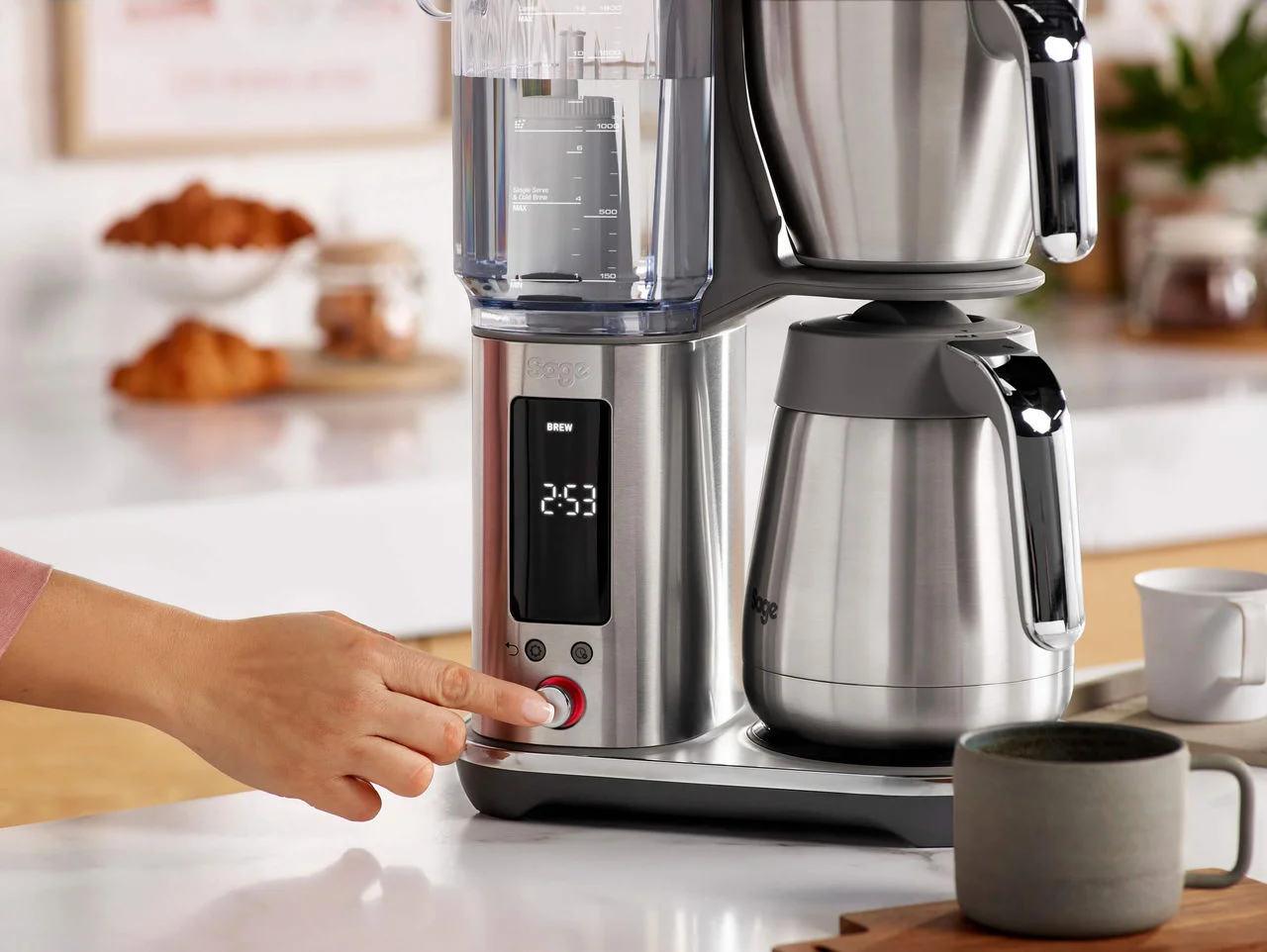
It's not hard, as long as you have the right tools and methods. Unsure where to start? Here are 10 coffee hacks every home brewer should know.
1. Save money by brewing at home
Investing in the right equipment and taking the time to learn about things like water-to-coffee ratio, bloom time, and flow rate can help you save money on coffee without sacrificing quality. A daily coffee habit could cost you around £100 a month or over £1,000 each year. You can spend less and enhance your enjoyment by making coffee at home.
2. Store your coffee beans properly
After opening the original bag, coffee beans should be kept in an airtight container and stored in a cool, dry place away from direct sunlight. This will preserve the aroma and keep the beans fresh until you're ready to grind them.
3. Use ice cube trays for leftover coffee
If you don't have a chance to drink all the coffee you brewed in the morning, pour what's left over into an ice cube tray. Once frozen, you can use the coffee ice cubes for iced coffee, smoothies, or coffee cocktail recipes.
4. Heat your mug first
Pouring freshly brewed coffee into a pre-heated mug can help retain the flavour and keep it at the ideal temperature for longer. You can heat a coffee cup by filling it with boiling water or hot tap water, then emptying the water just before adding coffee. Or, if it's a microwave-safe material like ceramic, microwave it for 15 to 30 seconds at a time until it's sufficiently heated.
To achieve similar results, you can also pre-heat your brewing equipment.
5. Add a pinch of salt to bitter coffee
If your coffee is too bitter or acidic for your liking, try adding a small pinch of salt. This surprisingly effective hack helps neutralise a bitter taste better than sugar or milk, and it doesn't affect the balance of sweetness or mask the subtle flavour notes of the coffee.
6. Froth milk without a fancy machine
You don't need a steam wand or any other fancy equipment to froth milk. A manual whisk, electric hand mixer, simple blender, French press, or even a Mason jar can be used to create thick microfoam for latte art and iced coffee toppers.
7. Experiment with flavour enhancers
One of the joys of visiting a coffee shop is trying the concoctions a barista can whip up. But with some inspiration and creativity, you can make your own combinations with various flavour enhancers, such as vanilla extract, almond extract, cocoa powder, ground cinnamon, nutmeg, flavoured syrup, or different types of sugar—think coconut and maple.
8. Clean your equipment regularly
A bitter, stale, burnt, or metallic taste in your coffee is often a sign that the machine or brewing equipment is due for a cleaning. You might need to run a cleaning cycle, use a coffee-specific cleaning solution, descale the interior, or wash individual parts with warm water and soap to remove oils and mineral buildup. Besides producing good-tasting coffee, a clean, well-maintained coffee maker will perform better.
See our guide on how to clean an espresso machine for more tips.
9. Try cold brew for a smoother taste
Cold brew coffee can be less acidic than traditional coffee made with hot water and often has a milder, slightly sweeter flavour profile. One easy way to make cold brew coffee is with the Kyoto-style slow-drip method, where chilled water slowly drips over ground coffee to create a smooth yet complex finish.
10. Use a scale for perfect brewing ratios
Even very small variations in how much ground coffee is used can result in a different flavour profile with certain brewing methods. To get the coffee-to-water ratio just right for every brew, use a high-precision coffee scale that measures ground coffee down to one-tenth of a gram.
Final thoughts: Brewing made better
There are lots of ways to optimise your home-brewing experience and make your coffee taste like it came from a fancy café. The best coffee hacks are often the simplest, such as cleaning your equipment regularly and using the proper water-to-coffee ratios. Beyond that, there are many things you can do to personalise your homemade coffee to your liking.
Explore espresso machines, coffee grinders, scales, kettles, and other coffee accessories from Sage.
Sources:
1. Perfect Daily Grind. More people are brewing coffee per household – but does that really matter?. https://perfectdailygrind.com/2024/09/more-people-drinking-coffee-at-home/
2. UCC Coffee UK & Ireland. Price Watch. https://www.ucc-coffee.co.uk/wp-content/uploads/2024/01/UCC23980-JanPriceWatch_DJB_V12953.pdf
3. Food Packaging and Shelf Life. Effects of different coffee storage methods on coffee freshness after opening of packages. https://www.sciencedirect.com/science/article/pii/S2214289422000850
4. Perfect Daily Grind. The science behind adding salt to coffee. https://perfectdailygrind.com/2021/03/exploring-the-science-behind-adding-salt-to-coffee/
5. CoffeeGeek. Five Tips for Better Home Coffee. https://coffeegeek.com/blog/beginners/five-tips-for-better-home-coffee/
6. Scientific Reports. The Effect of Time, Roasting Temperature, and Grind Size on Caffeine and Chlorogenic Acid Concentrations in Cold Brew Coffee. https://pmc.ncbi.nlm.nih.gov/articles/PMC5740146/
7. Perfect Daily Grind. How is cold brew technology evolving?. https://perfectdailygrind.com/2023/07/cold-brew-technology/
8. Perfect Daily Grind. How can consumers make better espresso at home?. https://perfectdailygrind.com/2023/04/how-can-consumers-make-better-espresso-at-home/