At-home juicing has become more than a passing trend. From starting the day with a refreshing glass of orange juice to experimenting with vibrant recipes packed with greens, more households are investing in dedicated juicers. One of the most common decisions buyers face is choosing between a masticating juicer vs. centrifugal juicer. Each type has its own method, benefits, and trade-offs, making it easier to match the right model to your needs.
Masticating juicer vs. centrifugal juicer
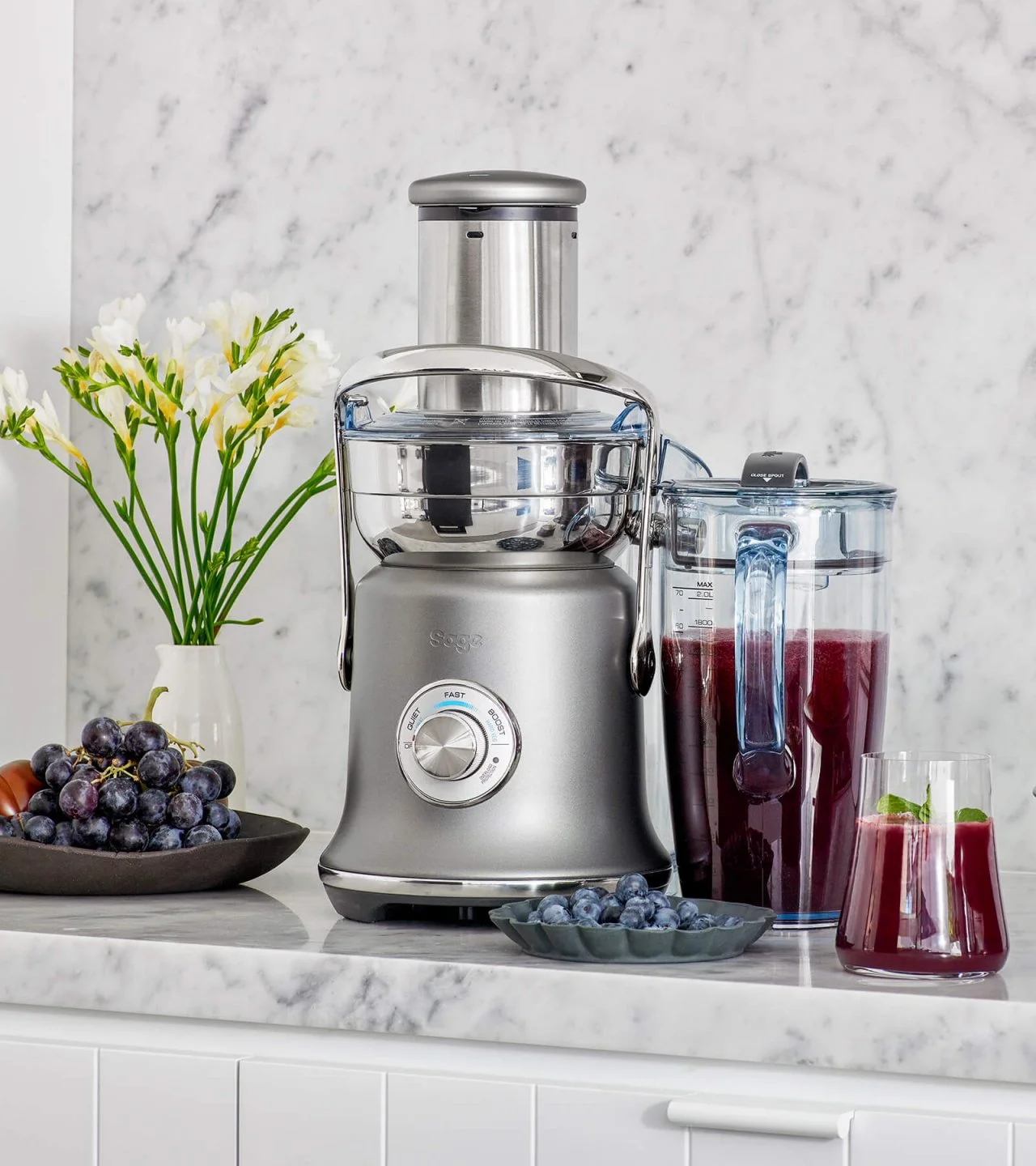
What is a masticating juicer?
If you’ve ever come across terms like cold press juicer or slow juicer, they’re usually referring to a masticating model. This type of juicer is designed for those who want to extract as much quality juice as possible from their produce, especially when working with softer fruits or leafy greens. It works at a measured pace, focusing on careful extraction rather than speed, and the results speak for themselves.
How it works
A masticating juicer, sometimes called a cold press juicer or slow juicer, uses a slow-turning auger to crush and press fruits and vegetables. This deliberate process extracts juice steadily, minimising heat and keeping more of the natural nutrients intact. Unlike machines that rely on high speed, this type of juicer focuses on careful crushing and pressing to create smooth, quality juice.
Key benefits
Choosing a masticating juicer comes with several advantages that make it appealing for those who value nutrition and juice quality:
● Retains more nutrients and produces less foam or oxidation.
● Yields a greater amount of juice from leafy greens and soft produce.
● Operates quietly, making it suitable for early mornings.
● Juice can last longer—up to 72 hours when stored correctly.
What to consider
While the benefits are clear, there are also a few points worth keeping in mind before investing in this type of juicer:
● The process is slower, and preparation often requires chopping larger ingredients into smaller pieces to fit the chute.
● Masticating juicers are typically more expensive due to their advanced extraction technology.
● Cleaning can take more effort, although many modern models now include Easy Clean features to make the task simpler.
What is a centrifugal juicer?
A centrifugal model is often the go-to choice for those who want their juice made quickly and with minimal fuss. It’s one of the most common types you’ll see on the market and is especially popular with beginners thanks to its straightforward design and quick results.
How it works
Centrifugal juicers rely on a fast-spinning metal blade and centrifugal force to separate juice from pulp. As the machine shreds the fruits and vegetables, the high RPMs extract liquid quickly, sending the juice one way and the pulp another.
Key benefits
There are several reasons why centrifugal juicers continue to be a favourite for everyday use:
● Fast and efficient—ideal for busy routines or when you want a fresh drink in minutes.
● Simple to use and easy to clean.
● Lower upfront cost than most masticating models, making it appealing if you’re looking for your first machine.
What to consider
Despite the advantages, there are a few compromises to weigh up before choosing this type of juicer:
● The rapid high speed extraction produces more foam, and the juice oxidises faster, meaning it’s best consumed straight away.
● Yield is often lower from soft fruits and greens compared to masticating juicers.
● Can be noisier during operation.
Choosing the right juicer for your needs
The difference between masticating and centrifugal juicer models comes down to priorities. If you’re focused on quality juice, maximum yield, and longer shelf life, a masticating or cold press machine is the better choice. These are ideal for those who like experimenting with a wide range of recipes, including leafy greens and softer fruits.
On the other hand, centrifugal juicers appeal if you want a quick and simple way to make juice each morning. They’re excellent for harder produce like apples and carrots, where speed and convenience matter most.
No matter which option you choose, understanding how to use a juicer properly will make the experience more rewarding. From preparing ingredients to adjusting settings on different models, a little know-how helps you get the most from your machine.
Finally, think about what you value more: time or nutrition. If you often prepare juice in advance, a masticating model is the way forward. If you’re after speed and simplicity, centrifugal is hard to beat.
The right juice, the right tools
When weighing a masticating vs. centrifugal juicer, the choice depends on your lifestyle. Both machines are effective at turning fresh produce into flavourful juice, but the performance and overall experience vary. Some households may even find that owning both serves different purposes.
In the end, there’s no single “best” answer. It’s about matching the right type of juicer to the way you cook, the food you enjoy, and the kind of drinks you want to share. With thoughtfully designed appliances from Sage, you can be confident that whichever model you pick—whether a slow juicer or a centrifugal option—you’ll have a reliable kitchen appliance that supports your style of juicing.
Sources:
1. Harvard Health Publishing. Fresh Juice: Are Drinks as Healthy as They Seem? https://www.health.harvard.edu/blog/fresh-juice-drinks-healthy-seem-2016072910044
2. Khaksar, Gholamreza, et al. Effect of Cold-Pressed and Normal Centrifugal Juicing on Quality Attributes of Fresh Juices: Do Cold-Pressed Juices Harbor a Superior Nutritional Quality and Antioxidant Capacity? https://pmc.ncbi.nlm.nih.gov/articles/PMC6587058/
3. Food Network. Healthy How-To: Juicing Fruits and Veggies. www.foodnetwork.com/healthyeats/healthy-tips/2009/05/healthy-how-to-juicing-fruits-and-veggies