Few things compare to the aroma of fresh bread wafting through your home. With modern bread makers, that scent is no longer reserved for the bakery.
How to use a bread machine: Easy steps for fresh bread
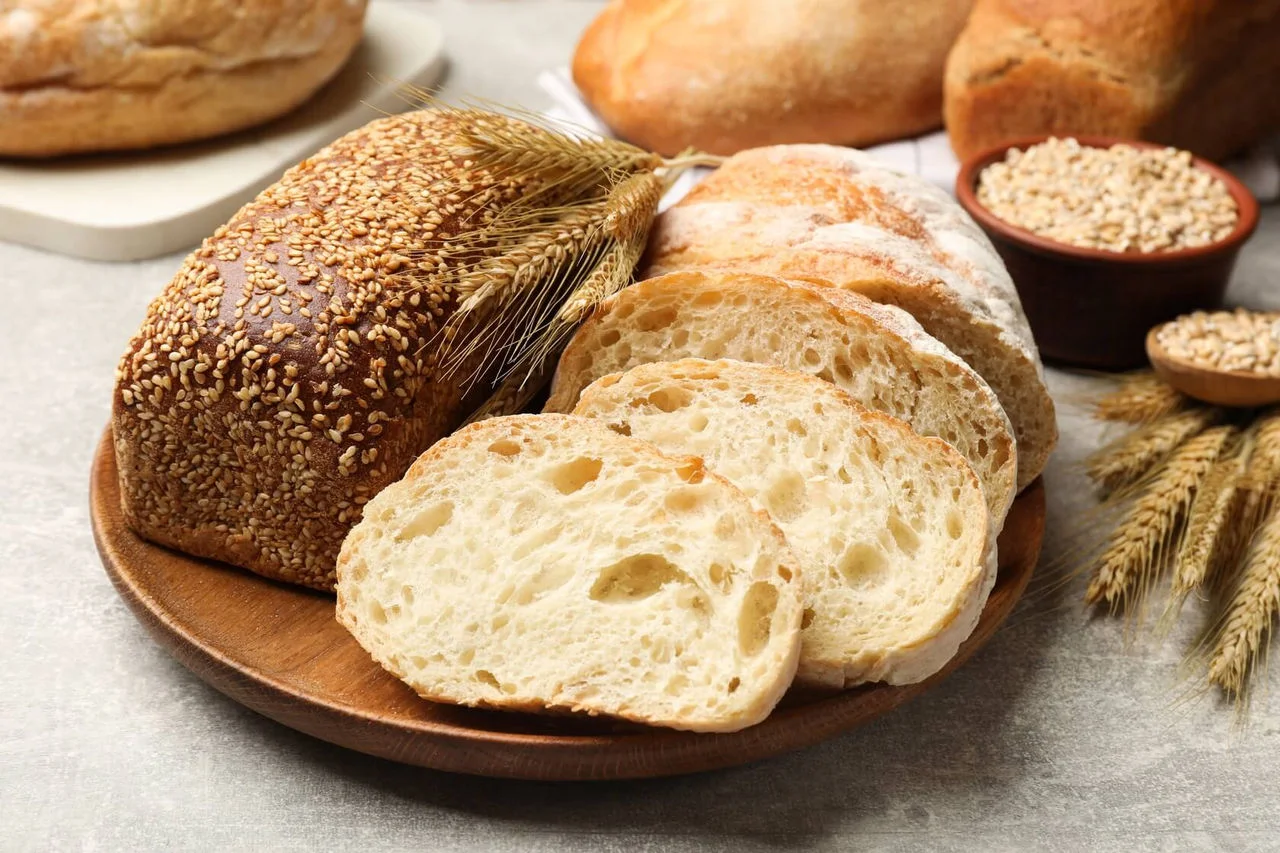
Understanding how to use a bread machine allows you to enjoy the same satisfaction with far less effort. A bread machine takes care of the mixing, kneading, rising, and baking, all in one compact machine, making it ideal for busy households or anyone who simply loves the taste of homemade bread.
At a glance:
● Learn how to use a bread machine step by step for perfect, consistent loaves.
● Discover key features that simplify bread making and improve baking results.
● Follow detailed instructions for measuring, adding, and selecting bread machine settings.
● Explore ways to match bread making to your lifestyle, whether quick weekday loaves or creative weekend recipes.
● Get expert bread making tips to help your loaves rise beautifully every time.
A well-designed bread machine balances precision and ease, delivering consistent texture and flavour with every bake. For anyone seeking fresh bread without the fuss, this guide explains how to make bread using a bread machine from start to finish, helping you achieve perfect loaves every time.
Key features to consider in a bread machine
Not all bread machines are made equal. Before you start, it helps to understand which features make a real difference to your bread making experience:
● Programmes and settings: Look for options like basic white, whole wheat, gluten-free, and dough cycles. These determine how your ingredients are mixed and baked.
● Loaf size and crust colour: Choose from light, medium, or dark crusts, and select a loaf size that suits your household.
● Ease of use: Clear controls, removable bread pans, and simple cleaning systems make for a smoother process.
● Extra functions: Delay timers, keep-warm features, and even jam-making settings can add versatility to your bread maker.
If you’re considering an upgrade, Sage’s bread makers combine intuitive design with precision engineering to deliver consistent results, loaf after loaf.
Step-by-step: How to use a bread machine
Once you’re familiar with your model, how to use a bread machine becomes second nature. Follow these simple steps for dependable results every time.
Step 1: Measure ingredients precisely
Precision is key. Use kitchen scales to weigh flour, sugar, salt, and yeast accurately. Even a little too much or too little of one ingredient can change the texture of your bread.
Step 2: Add ingredients in the correct order
Most machines require liquids first (like water or milk) and dry ingredients last. The yeast should sit on top, away from the liquid, until the mixing begins.
Step 3: Select the right programme
Choose your preferred cycle, whether it’s a standard white bread recipe, whole wheat, or dough setting. This tells the machine how long to mix, knead, rise, and bake.
Step 4: Choose loaf size and crust colour
Many bread makers allow you to select the loaf size and crust finish. If you’re new to bread machine bread, medium crust settings often yield the best results.
Step 5: Let the machine do the work
Once you’ve pressed start, the bread machine handles everything from kneading and rising to baking. It’s a fully automated process that delivers consistent, bakery-quality results without the need to get your hands covered in dough.
Step 6: Remove and cool your loaf properly
When the timer signals the end, carefully remove the loaf from the bread pan and allow it to cool on a rack. Letting the loaf rest helps maintain its crust and texture.
Matching bread machine use to your lifestyle
One of the greatest advantages of learning to use a bread machine is its ability to easily adapt to different routines and preferences. For busy households, the built-in delay timer is a quiet luxury: set it before bed and wake to the aroma of a freshly baked loaf ready to slice. Those with a more health-focused outlook can experiment with wholegrain or gluten-free recipes, finding a balance between nutrition and flavour that suits their table.
For the more creative home cook, the dough cycle opens up endless possibilities. From pizza bases and rolls to rustic focaccia, the machine handles the hard work, allowing you to shape and finish your bread in the oven, achieving that golden crust by hand. Meanwhile, anyone drawn to a more eco-conscious lifestyle will appreciate how homemade bread reduces packaging waste and allows complete control over every ingredient used.
However you choose to bake, Sage’s thoughtfully designed bread makers fit effortlessly into everyday life, helping you create food that feels both comforting and rewarding. And if you enjoy experimenting, you’ll find plenty of tips and recipes through Sage’s guides to keep your baking fresh and inspiring.
Tips for getting the best results
Every baker develops their own rhythm, but a few timeless tips can help refine your process:
1. Use the right flour and yeast: Bread or strong bread flour gives your dough structure, while fast-acting yeast keeps your loaves light and airy.
2. Check your water temperature: Check your water temperature: Lukewarm water activates yeast effectively, while cold or hot liquids can disrupt the cycle.
3. Weigh, don’t guess: Measuring in grams rather than cups improves accuracy and consistency.
4. Keep your machine clean: Wash the bread pan, paddle, and lid after each use. Regular maintenance keeps your bread maker in top condition and prevents any lingering odours.
If you want to try something different, consider starting with a simple white bread recipe. It’s an easy way to learn the fundamentals before experimenting with wheat or enriched doughs.
Bake with ease using Sage bread makers
Knowing how to use a bread machine means you can enjoy fresh, warm bread any day of the week. From measuring and mixing to baking, the process is simple, consistent, and deeply rewarding.
Sage bread makers are designed for those who value quality and reliability. Each machine combines thoughtful design with precise performance, helping you bake loaves that look, smell, and taste remarkable. Whether you’re following a tried-and-true recipe or creating your own, Sage kitchen appliances make it easy to enjoy bakery-standard results at home, one perfect loaf at a time.
Sources:
1. King Arthur Baking Company. Weighing Ingredients: The Key to Baking Success. https://www.kingarthurbaking.com/blog/2015/04/28/weighing-ingredients
2. MasterClass. How to Activate Yeast: When Is it Necessary? https://www.masterclass.com/articles/how-to-activate-yeast-explained
3. The Spruce Eats. How to Clean a Bread Machine. https://www.thespruceeats.com/how-to-clean-a-bread-machine-5180167