Few kitchen experiences are as comforting as baking fresh bread at home. The aroma, the texture, and the satisfaction of slicing into a perfect loaf all start with understanding the fundamentals.
Bread making tips: Expert advice for better loaves
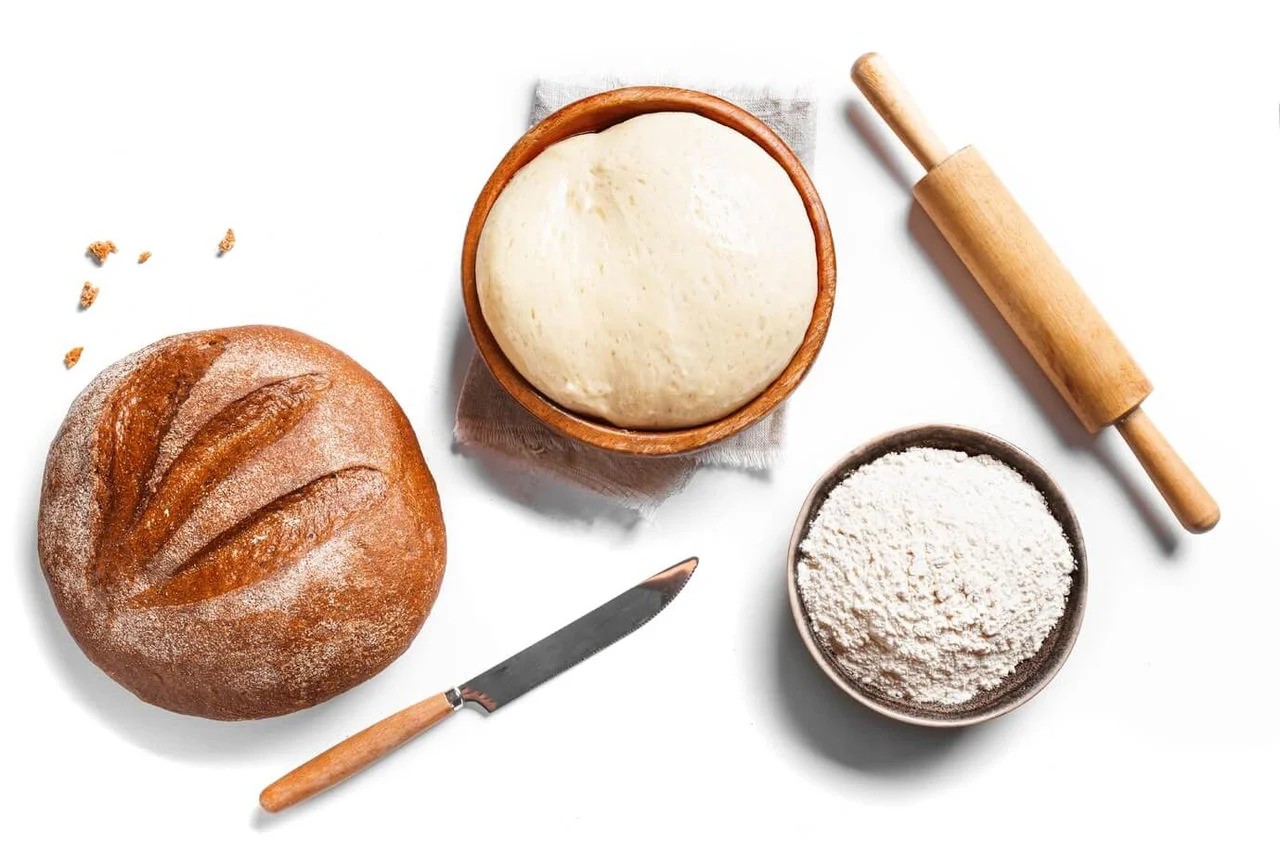
Whether you bake by hand or rely on bread makers, mastering a few expert bread making tips can turn inconsistent bakes into bakery-quality loaves. With a touch of care, the right ingredients, and high quality bread makers, you can create consistent results every time.
In this guide:
● Essential bread making tips to improve texture, flavour, and structure.
● Discover the role of flour, yeast, and temperature in achieving a perfect rise.
● Explore expert advice on kneading, proofing, and baking techniques.
● Find ways to fit bread making into your routine using modern bread machines.
● Get insights on storage and freshness for longer-lasting loaves.
These principles apply to every bake, whether you’re working the dough by hand or letting a bread maker handle the process. True consistency comes from understanding how each stage connects and affects the next. From the mixing bowl to the final crust, these tips will help you bake bread that looks, feels, and tastes exceptional.
Start with high-quality ingredients
Great bread begins with good ingredients. Select a strong bread flour with a high gluten content to lend your dough its structure. Ordinary plain flour won’t hold up as well and can result in a flat or dense loaf. Always check your yeast is fresh; expired or inactive yeast won’t produce the rise your bread needs.
Accuracy matters, too. Use kitchen scales instead of measuring by cups for consistent measurements and ratios. Even a few extra grams of flour or too much water can alter your dough’s texture. Add your salt thoughtfully; too much can slow fermentation, while too little leaves the bread tasting flat.
Master the importance of temperature
Temperature plays a crucial role in every stage of bread-making. Use lukewarm water, around 35–40°C, to activate yeast without killing it. If the water is too cold, the dough will take longer to rise; if it’s too hot, the yeast will die before it begins working.
During proofing, keep your dough away from draughts. Too much fluctuation in temperature affects the rise and can make the final loaf uneven. If your kitchen tends to run cold, place your covered bowl in a slightly warmed oven with the door ajar to create a stable, cosy environment for fermentation.
Kneading and dough development tips
Kneading strengthens the gluten network that gives bread its chew and structure. You’ll know your dough is ready when it feels smooth and elastic. Many bakers use the “windowpane test” by stretching a small piece between their fingers. If it forms a thin, translucent sheet without tearing, the gluten is well developed.
If you’re using a bread machine, select the correct kneading cycle for your recipe. Letting the machine handle this process ensures even mixing and consistent results, eliminating the guesswork associated with manual kneading.
Proofing like a pro
Patience is one of the hardest lessons for new bakers. Dough that hasn’t had enough time to rise won’t develop flavour or texture properly. Allow your dough to rise until it doubles in size before shaping. Gently press a floured finger into the surface; if the indentation remains and slowly springs back, it’s ready to bake.
Avoid over-proofing. Dough that rises too long can collapse, resulting in a dense loaf. Controlled proofing creates balanced fermentation, resulting in an airy crumb and soft crust.
Baking and crust perfection
Baking transforms your dough into a finished loaf. Always preheat your oven or machine to achieve even heat and a steady oven spring. If you’re baking by hand, add steam at the start by placing a tray of water on the lower rack or spritzing the oven walls helps form a crisp, golden crust.
Avoid opening the door or lid too often, as each interruption releases heat and slows the baking process. The best bread achieves a balance between crust colour, internal moisture, and flavour development.
Incorporating bread making into your lifestyle
Bread making doesn’t have to be time-consuming. Busy households can set timers or use pre-programmed settings on modern bread makers to wake up to freshly baked loaves. Creative bakers can add seeds, herbs, or grains for distinctive flavour and texture.
If you’re a beginner, start with simple white bread or wholemeal recipes before moving on to sourdough or rolls. Each loaf teaches something new about texture, timing, and flavour development. For those keen to explore automation, understanding how to use a bread machine can make the process even easier.
Tips for long-lasting freshness
Proper storage is the final step in preserving the quality of your bread. Follow these steps to keep each loaf at its best:
1. Cool completely before slicing. Cutting too soon traps steam inside the bread, resulting in a gummy and uneven texture.
2. Store properly. Once cooled, place the loaf in a bread bin or wrap it loosely in a clean tea towel to protect the crust while allowing airflow.
3. Avoid the fridge. Refrigeration speeds up staling by drawing moisture out of the dough, making the bread dry and tough.
3. Clean your bread maker regularly. Wipe the bread pan and paddles after each bake, and check for crumbs or residue around the base to prevent odours and keep performance consistent.
4. Freeze for longer keeping. For extra loaves or slices, use airtight bags or containers to prevent freezer burn. When you’re ready to eat, thaw at room temperature and briefly reheat in the oven to revive that just-baked flavour.
Taking these steps helps maintain both freshness and texture, ensuring your bread stays enjoyable for days after baking.
How Sage bread makers make it effortless
Sage bread makers take the guesswork out of breadmaking. With settings for kneading, proofing, and baking, they deliver precision and consistency at every stage. Customisable programmes let you adjust temperature, time, and crust colour to match your preferences.
Whether you want to bake a classic loaf bread, a rich brioche, or sourdough bread, Sage’s thoughtful design and durable tools make every bake reliable and rewarding.
Elevate your home baking with Sage
Baking impressive bread at home comes down to precision, patience, and a few well-practised techniques. By focusing on ingredients, temperature, and kneading, you can noticeably improve every loaf you bake.
Sage’s innovative bread makers bring these principles to life with smart design and effortless precision. Whether you’re baking your first loaf or refining your technique, Sage helps you create consistent, flavourful bread that tastes every bit as good as it looks.
Sources:
1. King Arthur Baking Company. Weighing Ingredients: The Key to Baking Success. https://www.kingarthurbaking.com/blog/2015/04/28/weighing-ingredients
2. MasterClass. How to Activate Yeast: When Is it Necessary? https://www.masterclass.com/articles/how-to-activate-yeast-explained
3. The Spruce Eats. How to Clean a Bread Machine. https://www.thespruceeats.com/how-to-clean-a-bread-machine-5180167