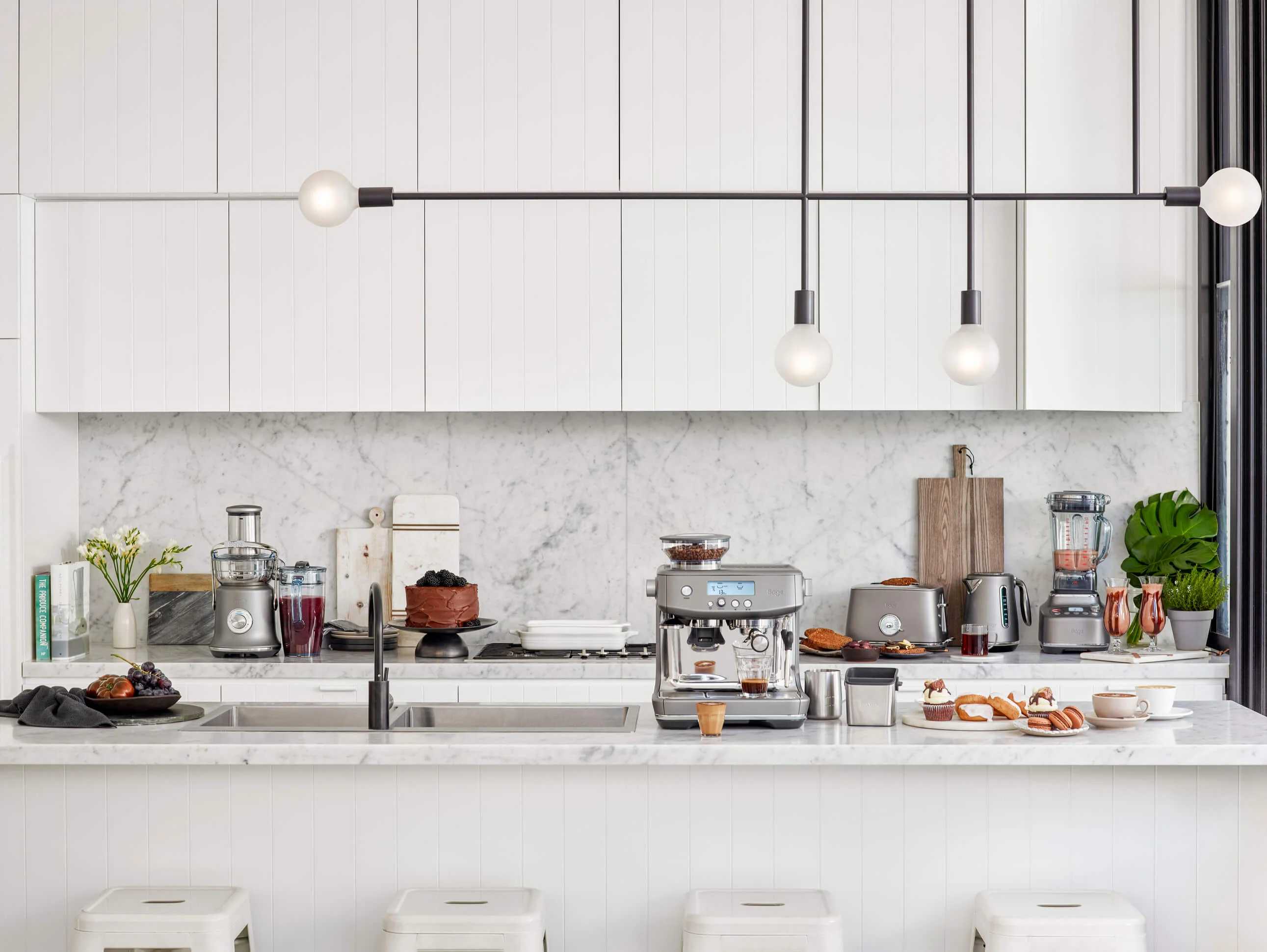
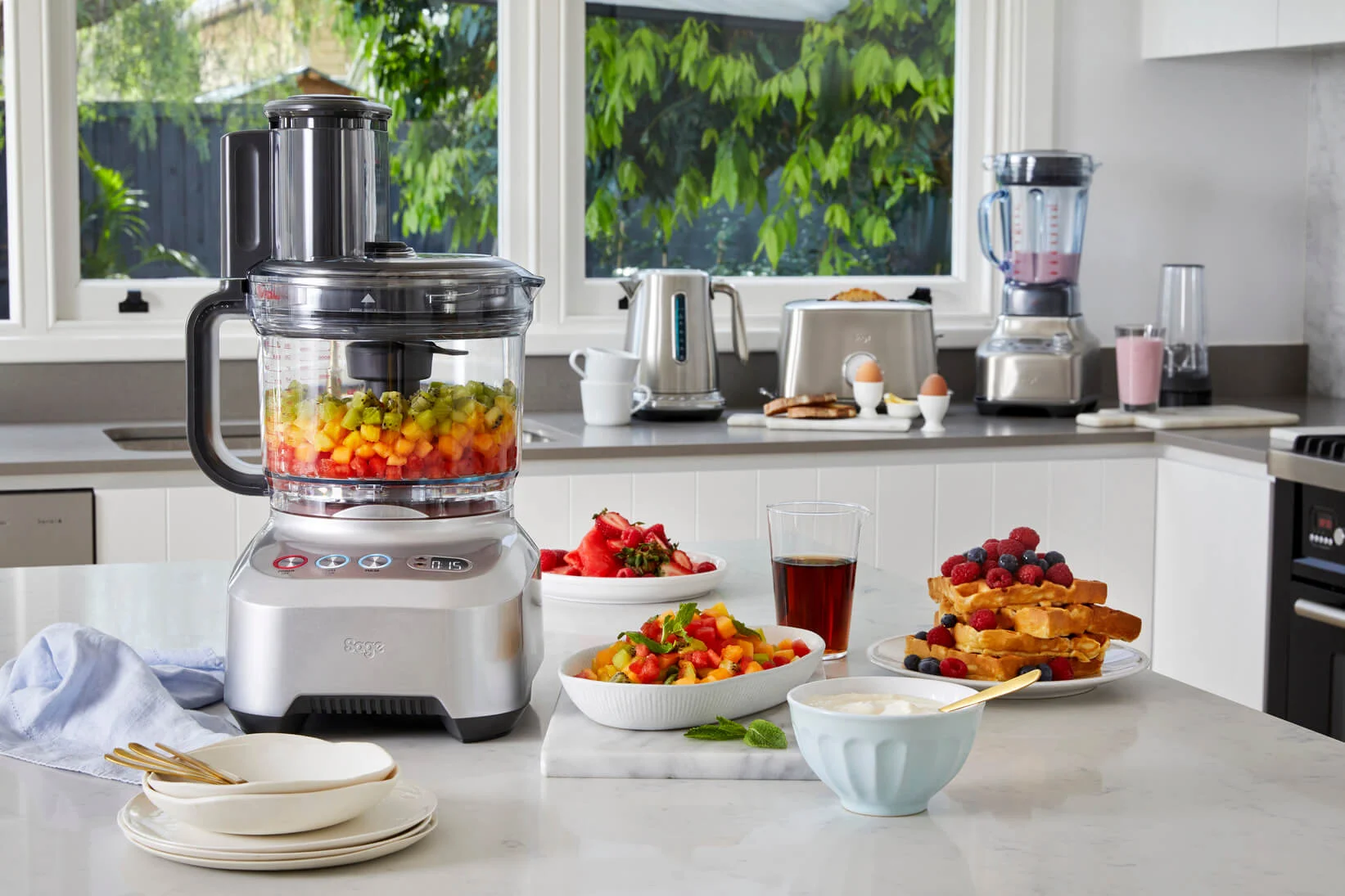
But when it comes to choosing between a blender and a juicer, it isn’t always clear which appliance will serve you best. Each offers a different approach, producing unique textures and nutritional benefits. Understanding the juicer vs. blender differences will help you decide which option fits your lifestyle and goals.
What’s the difference between a juicer and a blender?
Understanding the difference begins with how each appliance processes your ingredients. Although they may look similar on the counter, the results they produce vary in both texture and nutrition. Knowing how they work makes it easier to decide which option belongs in your kitchen.
Juicer functionality
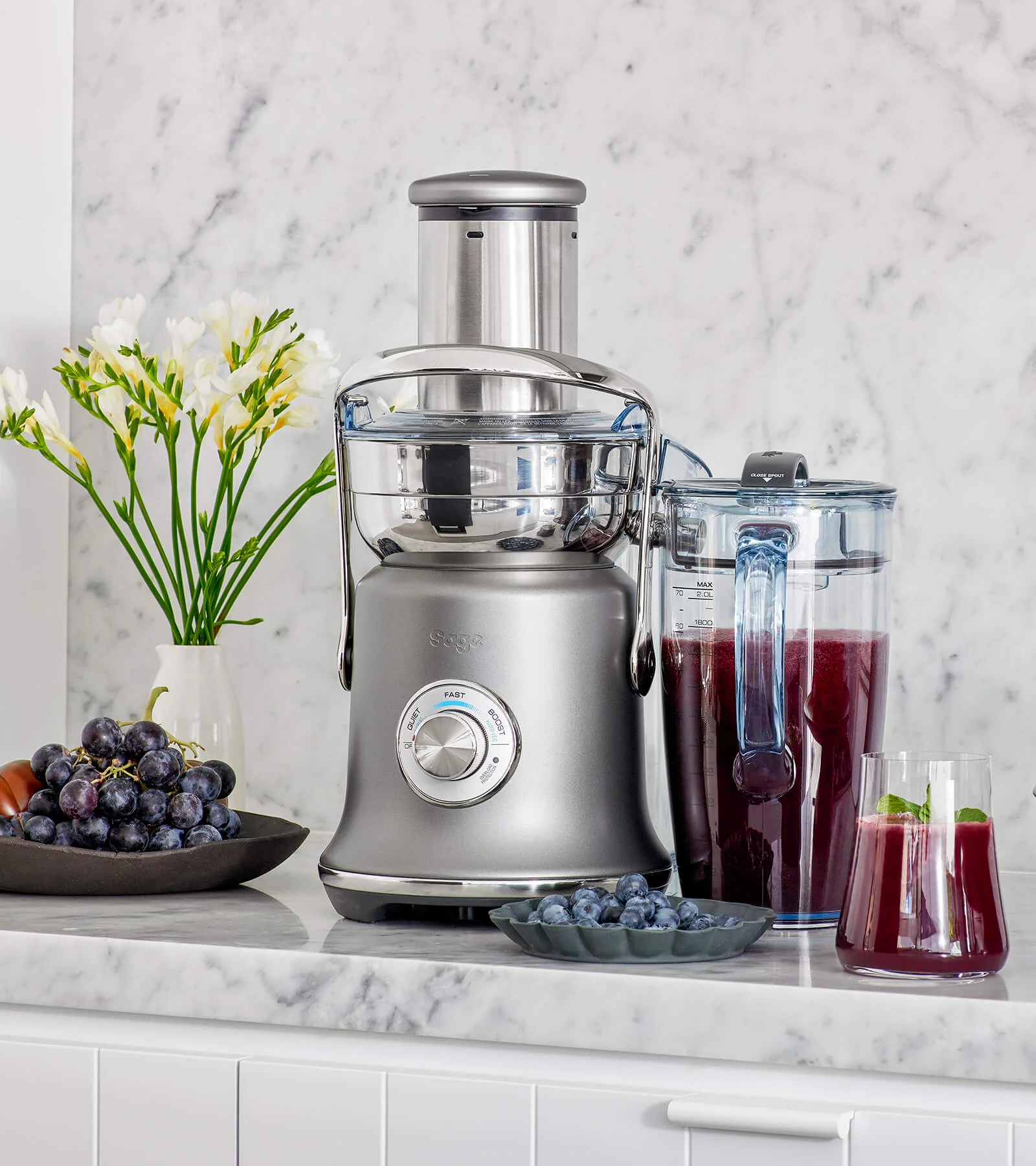
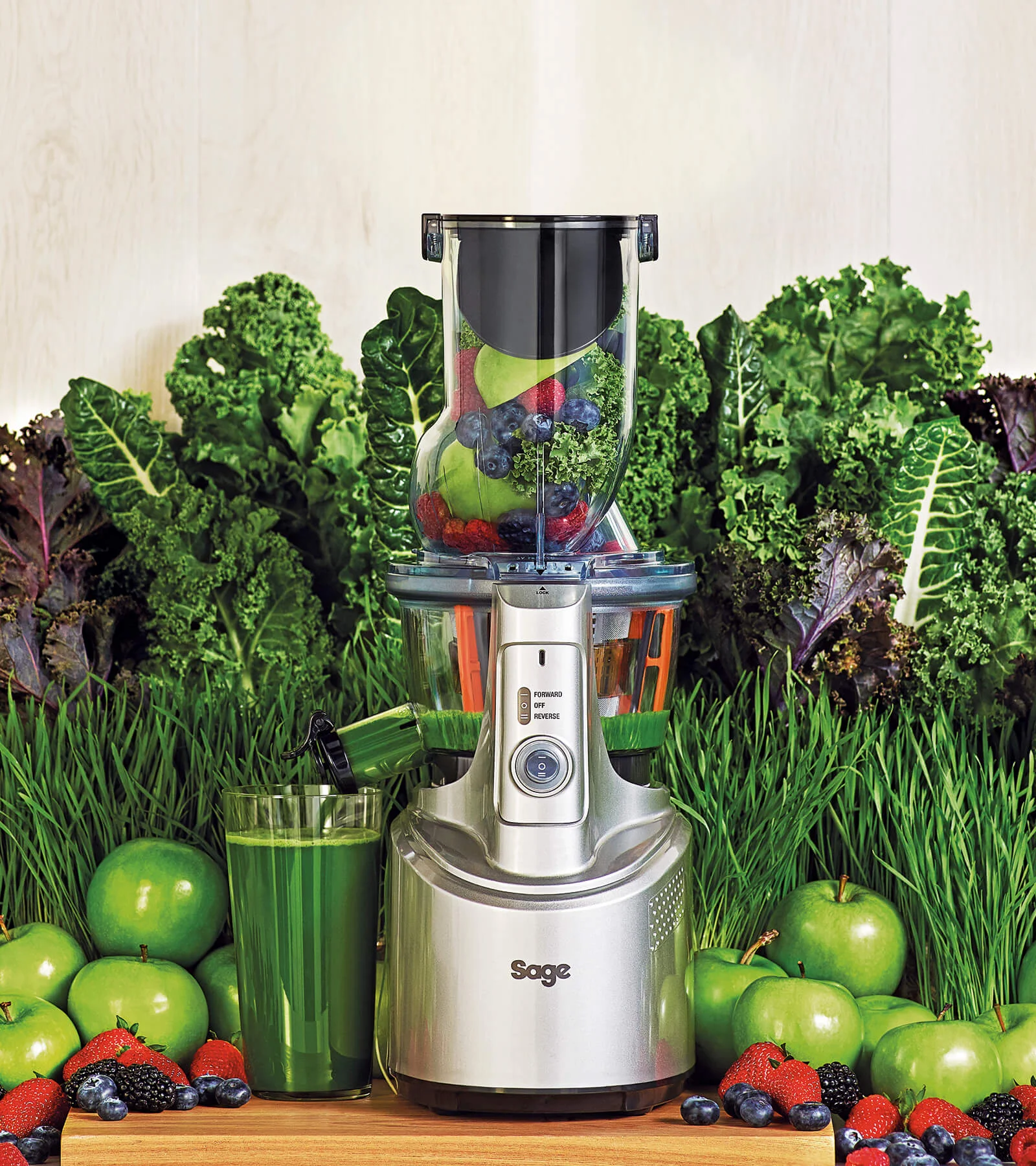
A juicer extracts liquid from fruits and vegetables, separating the pulp and fibre. This process gives you a smooth drink, leaving behind much of the solid matter. With a juicer, you’ll get light, silky-smooth juice that’s refreshing and quick to digest.
Blender functionality
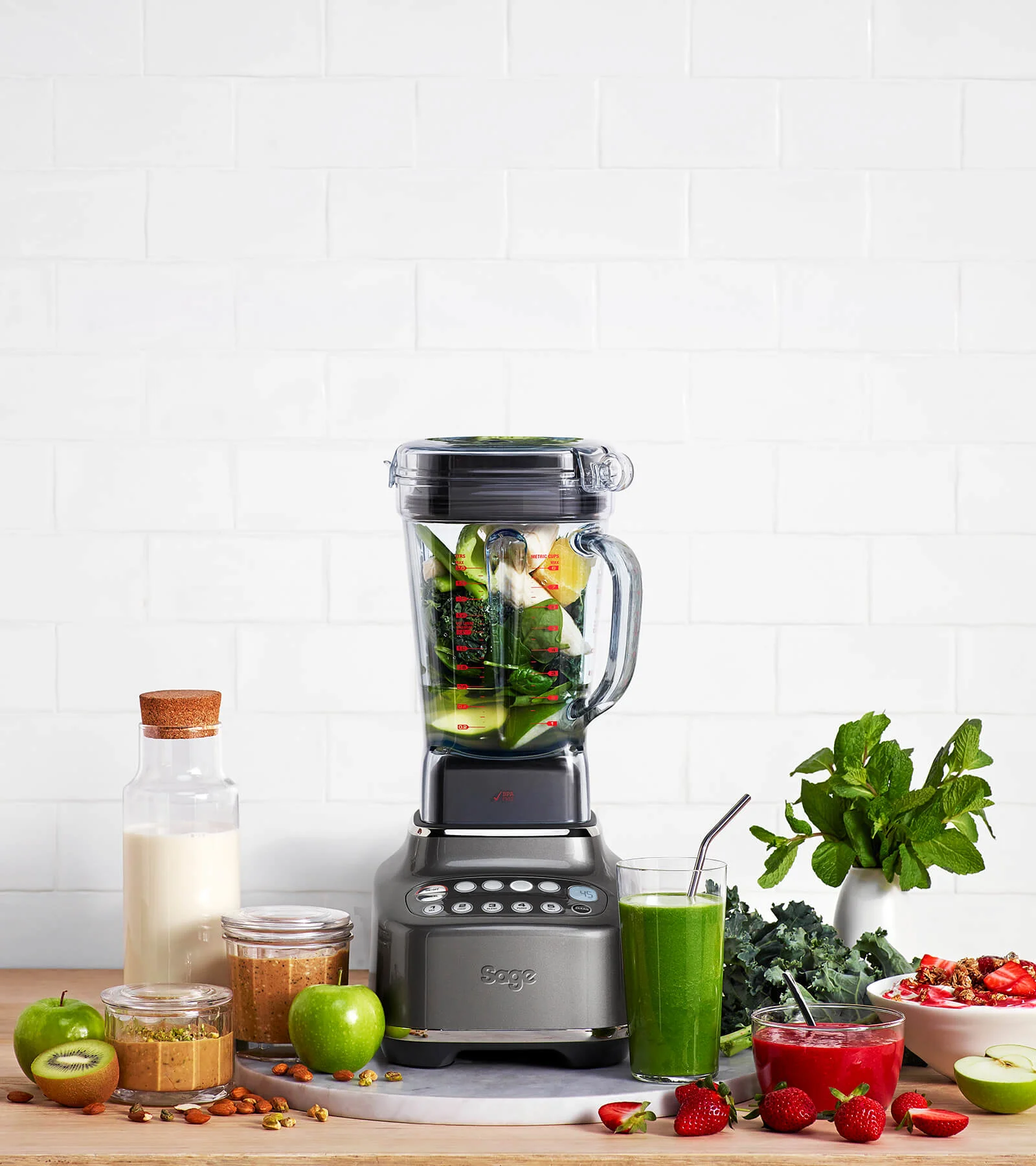
A blender, by contrast, processes the whole fruit or vegetable. Nothing is removed, so all the fibre, seeds, and food matter stay in the final result.
With a blender, you’ll create thicker smoothies, hearty soups, sauces, and even nut butters. The consistency depends on the ingredients, but the key point is that everything stays in the drink.
When to use a juicer
A juicer is well-suited to those who enjoy lighter drinks and want to focus on extracting pure liquid from their produce. It’s especially useful in situations where speed of absorption or a smooth, pulp-free texture is the priority.
Ideal for quick absorption
A juicer is the best choice when you want rapid delivery of vitamins and nutrients. Because the fibre is removed, your body can absorb the liquid quickly, giving you a burst of energy. This makes juicers popular for short detox plans or juice cleanses.
Best for silky, pulp-free drinks
If you prefer lighter drinks without the thickness of blended produce, a juicer delivers consistently smooth results. It’s especially effective with softer fruits or green veggies, producing a refreshing drink without the texture of whole ingredients.
Things to consider
While juicers excel in creating fresh, smooth juice, there are some trade-offs:
● Juices are less filling, so they don’t work as meal replacements.
● They often involve more parts to clean, especially when pulp collects.
● They generate more food waste unless you repurpose the pulp in baking or recipes.
If you’re comparing juicers, knowing the difference between a masticating juicer vs. a centrifugal juicer will help you choose the right type.
When to use a blender
A blender is the better fit when you want drinks or meals that feel more substantial. By keeping every part of the ingredients, it offers flexibility for creating a wide range of recipes beyond drinks alone.
Ideal for meal replacement and fullness
A blender keeps all the fibre intact, which supports digestion and helps regulate blood sugar. Blended drinks are more filling, making them suitable as snacks or even light meal replacements. This is why smoothies are often used as a convenient breakfast option.
Best for versatile recipes
Blenders are highly versatile and can handle a wide range of ingredients. From smoothies and soups to nut butters and sauces, a strong motor and durable blade allow you to crush ice, seeds, and nuts with ease.
Things to consider
Blending comes with its own points to weigh:
● Drinks are thicker, which not everyone will prefer.
● Because everything is processed, they can take longer to digest.
● Some recipes may require a bit of prep, such as peeling or removing seeds.
Health and nutrition considerations
When it comes to juicing vs. blending, both have unique benefits.
Juicing provides concentrated vitamins and nutrients in a form your body can use quickly. It’s a great way to enjoy a fresh burst of energy, but you miss out on fibre.
Blending keeps the whole produce intact, offering a balance of vitamins, fibre, and satiety. This supports gut health and leaves you fuller for longer.
The right appliance depends entirely on your personal health goals and daily habits.
Which one is right for you?
Choose a juicer if your priority is light, nutrient-dense drinks, fast absorption, and occasional detoxing. You’ll enjoy smooth, pulp-free juice that’s quick to digest. Just remember to think about how to use a juicer effectively—preparing your ingredients well and cleaning the parts straight after use will improve the experience.
Reach for a blender if you want filling, fibre-rich smoothies, more versatile recipes, and an appliance that supports everyday nutrition. Blending is also the best route if you’re looking for variety, since blenders can tackle everything from soups to nut butters.
Find the right fit with Sage
The final decision ultimately comes down to what you want from your drinks and your overall routine. Some households even find that both appliances serve different roles: the juicer for light, refreshing juice, and the blender for heartier, more substantial food creations.
Sage offers thoughtfully designed kitchen appliances that make it simple to bring your choice to life. Whether you’re leaning towards a juicer for silky, refreshing drinks or a blender for versatile, everyday cooking, Sage machines are built to deliver reliable performance and delicious results. The right tools at home make it simple to prepare fresh drinks and recipes that fit the way you live and cook.
Sources:
1. Harvard Health Publishing. Fresh Juice: Are Drinks as Healthy as They Seem? https://www.health.harvard.edu/blog/fresh-juice-drinks-healthy-seem-2016072910044
2. Khaksar, Gholamreza, et al. Effect of Cold-Pressed and Normal Centrifugal Juicing on Quality Attributes of Fresh Juices: Do Cold-Pressed Juices Harbor a Superior Nutritional Quality and Antioxidant Capacity? https://pmc.ncbi.nlm.nih.gov/articles/PMC6587058/
3. Food Network. Healthy How-To: Juicing Fruits and Veggies. www.foodnetwork.com/healthyeats/healthy-tips/2009/05/healthy-how-to-juicing-fruits-and-veggies