If you’ve ever tried to recreate restaurant pizza at home, you’ll know that the secret isn’t just in the dough or the toppings.
Pizza oven temperature: How to get it right every time
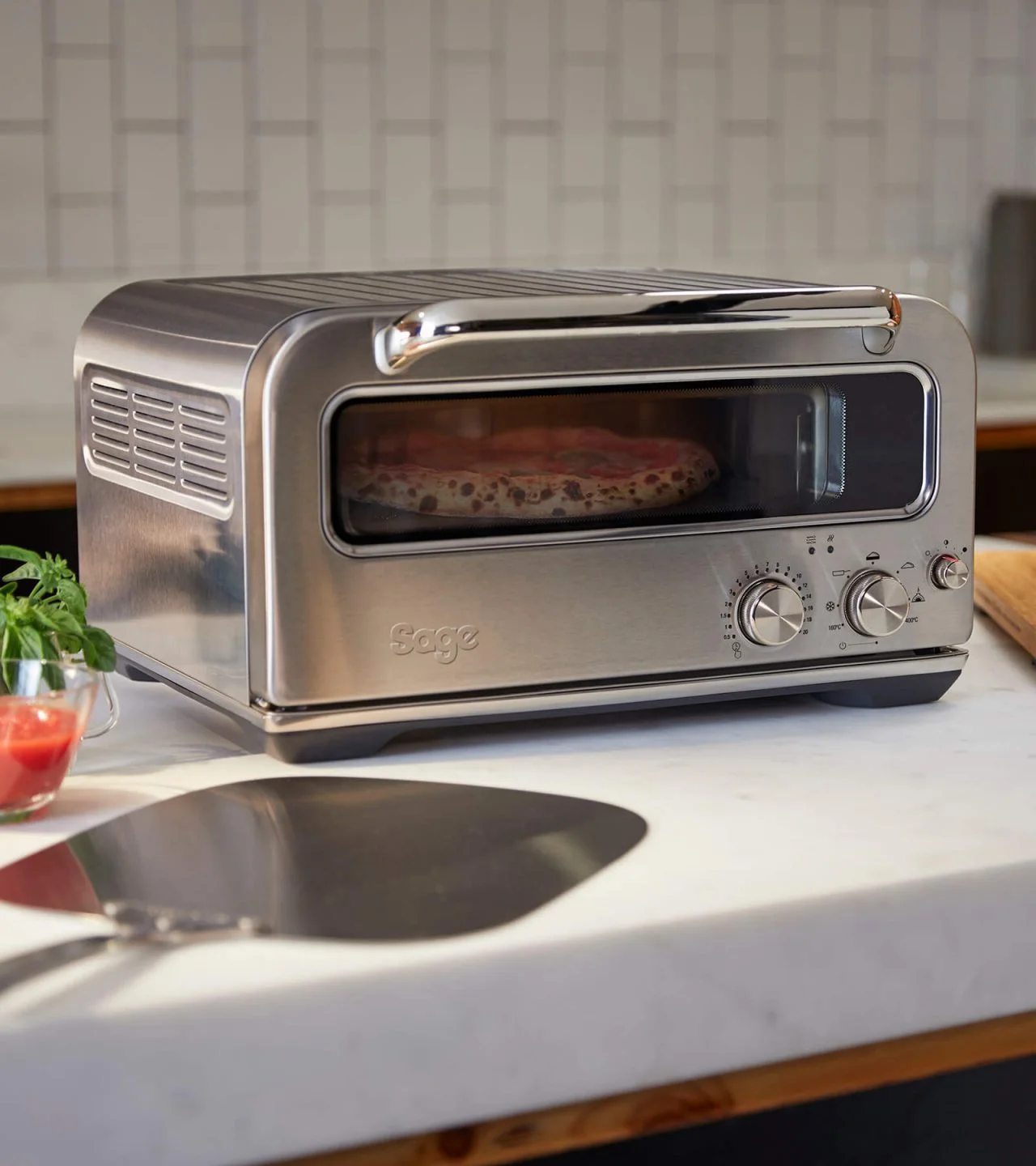
It lies in controlling the heat. Standard ovens can cook pizza, but they rarely reach the high temperatures needed for blistered crusts like you’d expect from professional pizza ovens.
Managing pizza oven temperature is what separates a decent slice from one that feels authentic. Different pizza styles demand different levels of heat, and learning how to balance them is the way to consistent, delicious results.
Optimal temperature ranges
The best oven temperature depends on the style of pizza you’re aiming for. Each type of bake has its own sweet spot:
● Neapolitan and thin-crust pizzas: These classic recipes are cooked at very high temperatures, around 427–482°C, for just 60–90 seconds. The result is a light, airy dough with a thin, charred crust and lively flavour.
● Standard home ovens: Most domestic ovens top out at 260–288°C. Expect to bake your pizza for 8–12 minutes to achieve a crispy base and evenly melted cheese.
● Gas pizza ovens: Portable gas models often sit between 343–400°C. They cook quickly while giving an even crust without too much char.
● Electric pizza ovens: These usually range from 232–260°C, with longer baking times and a gentler finish. You’ll get less smoke and flame but a steady, predictable bake.
The oven you cook with makes all the difference, and understanding its range is what allows you to achieve your desired results.
Achieving and maintaining the right temperature
Reaching and holding the correct oven temperature is half the battle. If you’re learning how to use a pizza oven properly, these practical steps will help you manage heat more effectively:
1. Preheating: Give your oven enough time to heat thoroughly, especially if you have a pizza stone that requires heating. Gas and electric pizza ovens need around 30 minutes, while a wood fired oven may take up to an hour. Skipping this stage is one of the most common reasons bases turn out pale or undercooked.
2. Using thermometers: An infrared thermometer lets you check both the chamber and the pizza stone. Surface temperature matters just as much as the air setting.
3. Managing airflow: In wood fired ovens, use vents or chimneys to control the burning intensity of the fire. A steady flame maintains consistent heat.
4. Rotating pizzas: Turn the pizza halfway through to balance hot spots and achieve an even crust.
5. Adding fuel or adjusting burners: Keep an eye on temperature drop when cooking multiple pizzas. Add wood, adjust gas, or reset electric settings as needed to maintain consistency.
Following these steps gives you consistency, helping every crust turn crisp and every topping melt evenly.
Extra tips for better results
Getting pizza oven temperature right is also about knowing how heat interacts with different bases and toppings. The right setting can mean the difference between a crisp crust that’s ready in minutes and a dense base that needs more time to bake through.
● Thin crusts: Use higher heat for shorter times. The dough puffs quickly, creating that signature char and airy bite.
● Thick crusts: Lower temperatures and longer baking allow the inside to cook without burning the outside.
● Oven insulation: A well-insulated oven retains heat better, especially important for outdoor cooking.
● Surface vs air temperature: The pizza stone absorbs and holds heat, giving the dough a sharp start the moment it lands. Always preheat the stone before baking.
These techniques work for homemade pizza in styles ranging from Neapolitan to New York-inspired slices.
Common mistakes to avoid
Even if you’ve mastered pizza dough and perfected your sauce, heat management can still catch you out. One of the most common problems is failing to preheat the oven for a sufficient amount of time. Without that initial blast of heat, the base often comes out pale and underdone.
Another issue is piling on too many toppings. While it’s tempting to be generous, an overloaded pizza cools the stone and drags down oven temperature, leaving you with a soggy centre. Uneven cooking is also common if the pizza isn’t turned during baking, as hot spots can cause one side to char while the other stays soft. Finally, choosing the wrong flour for high temperatures can cause the dough to burn before the rest of the pizza is cooked through.
By sidestepping these pitfalls, you’ll save time and ingredients, while avoiding the disappointment of a pizza that doesn’t deliver the results you were hoping for.
Perfect pizza at home with Sage
Mastering pizza oven temperature takes practice, but once you understand how to manage heat, you’ll find that making pizza at home becomes second nature. Luckily, Breville’s Pizzaiolo Electric Pizza Smart Oven™ makes cooking pizzas from home a breeze. Replicating conductive, radiant, and convective heat from brick ovens, your pizza will only need 2 minutes of cooking time. Add in quality pizza dough, carefully chosen toppings, and the right tools—like a sturdy pizza peel—and you’ll be creating homemade pizza that rivals your favourite restaurant.
Controlling oven temperature is the foundation of great pizza cooking. With Sage’s smart kitchen appliances, designed for precision and ease, every dish you prepare has the chance to be perfectly cooked from start to finish.
Sources:
1. Great British Chefs. Neapolitan to Detroit: a guide to the different styles of pizza. https://www.greatbritishchefs.com/features/guide-to-pizza-styles
2. Food Network Kitchen. How to use a pizza stone in the oven. https://www.foodnetwork.com/how-to/packages/food-network-essentials/how-to-use-a-pizza-stone-in-the-oven
3. The Kitchn. 5 mistakes to avoid when making pizza. https://www.thekitchn.com/5-mistakes-to-avoid-when-making-pizza-223863