They might seem to do a similar job, but there are clear differences that can help you decide which one deserves a spot in your kitchen.
Whether you want perfectly browned toast or a compact appliance with extra cooking features, understanding the toaster vs toaster oven debate will help you choose the right one for your needs.
Differences between a toaster oven & toaster
Choosing between a toaster and a toaster oven comes down to more than just looks. It is about how each one fits into your daily routine and the way you like to cook.
Size and design
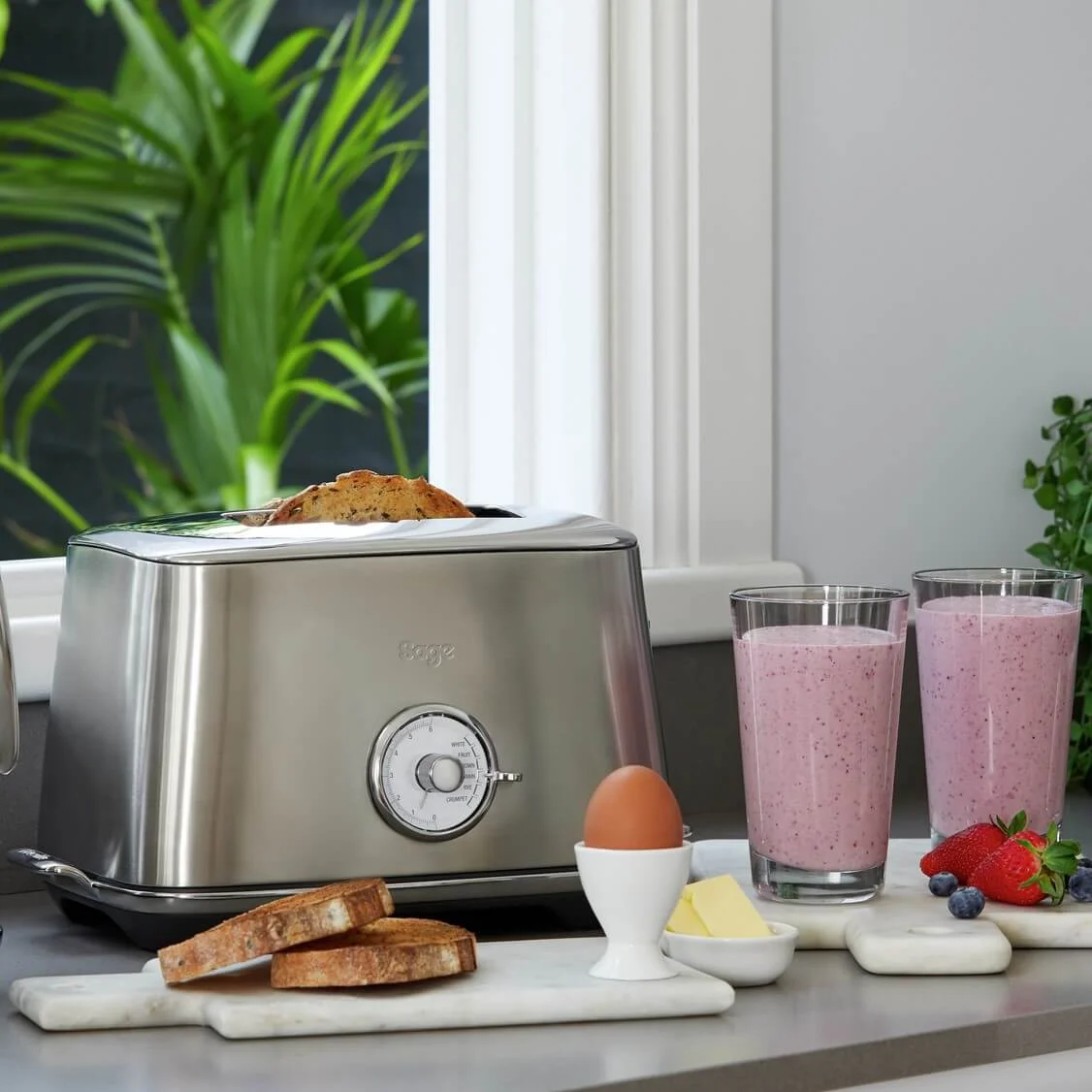
The first thing you will notice in the toaster vs. toaster oven comparison is the size. A pop-up toaster is compact, often with two or four slots designed to toast bread quickly and evenly. Its slim design makes it ideal for smaller spaces, perfect for those with limited countertop room.
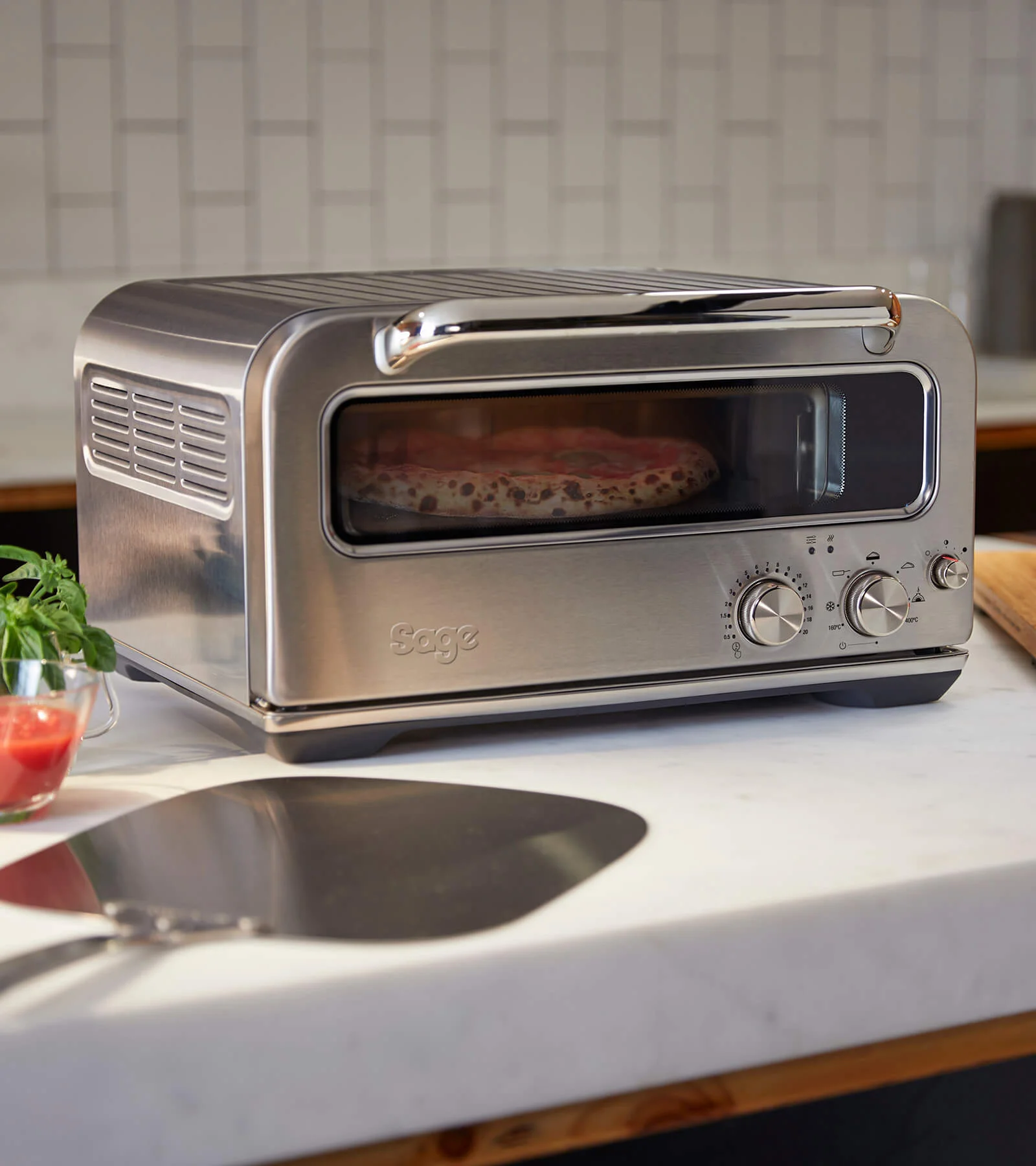
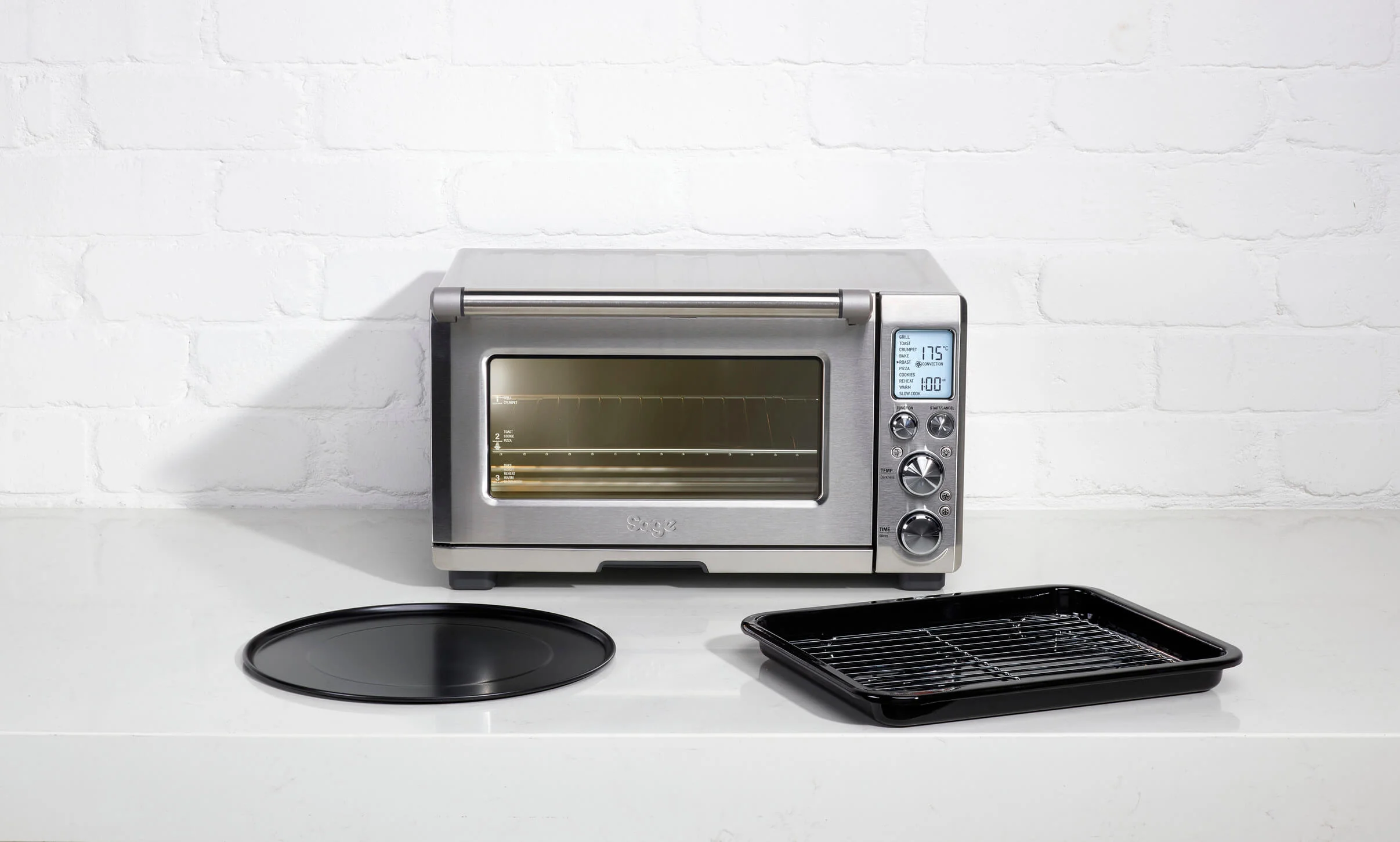
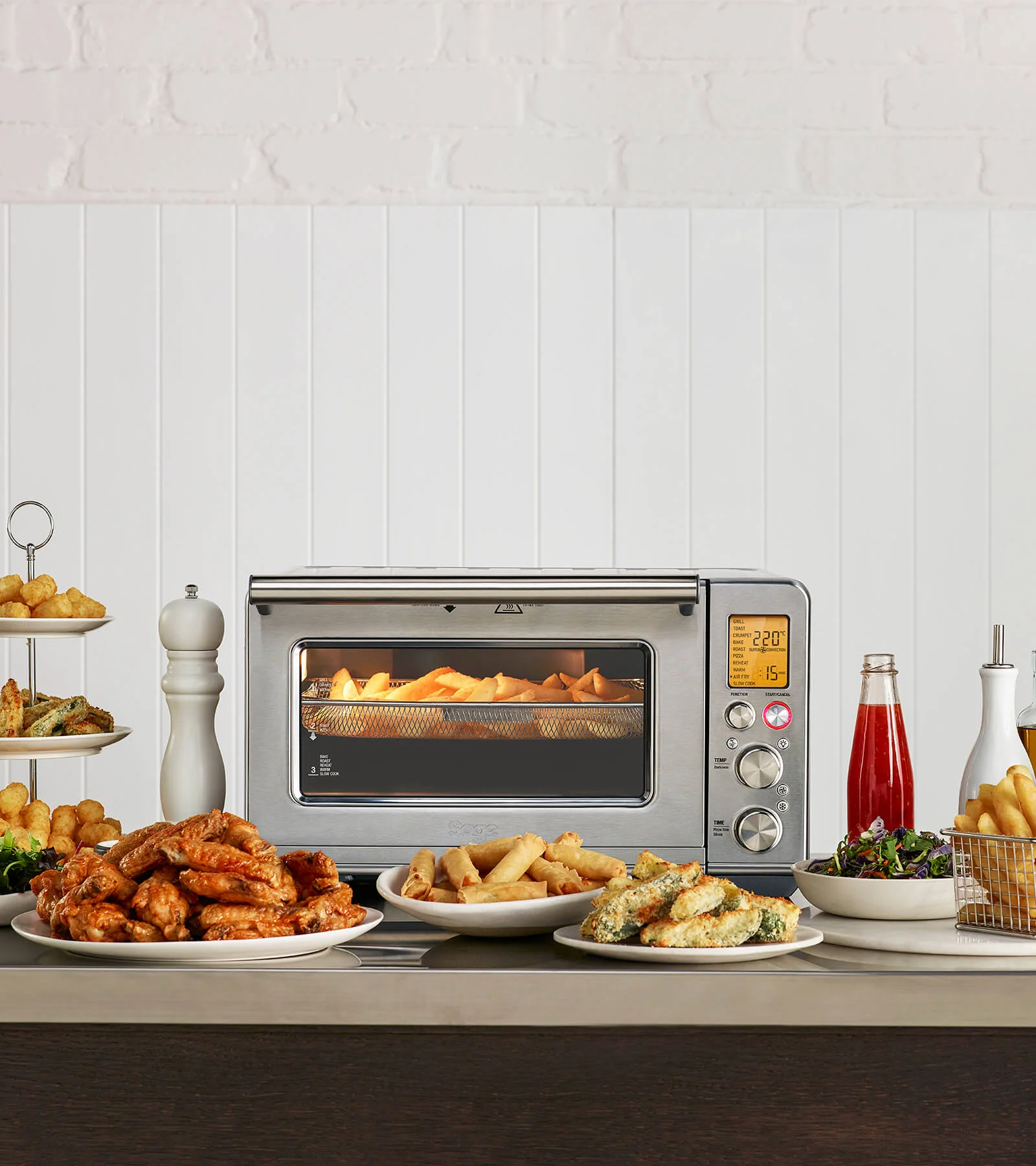
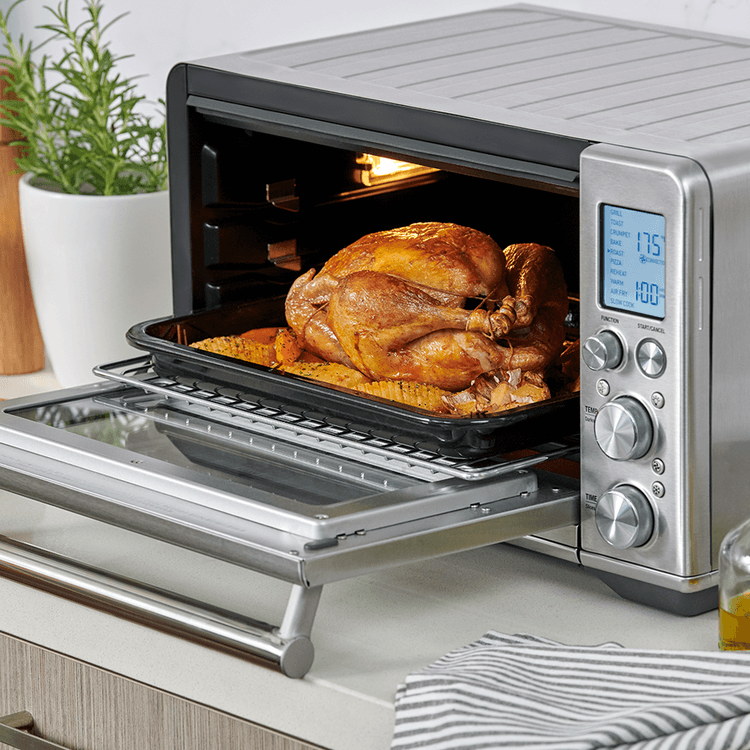
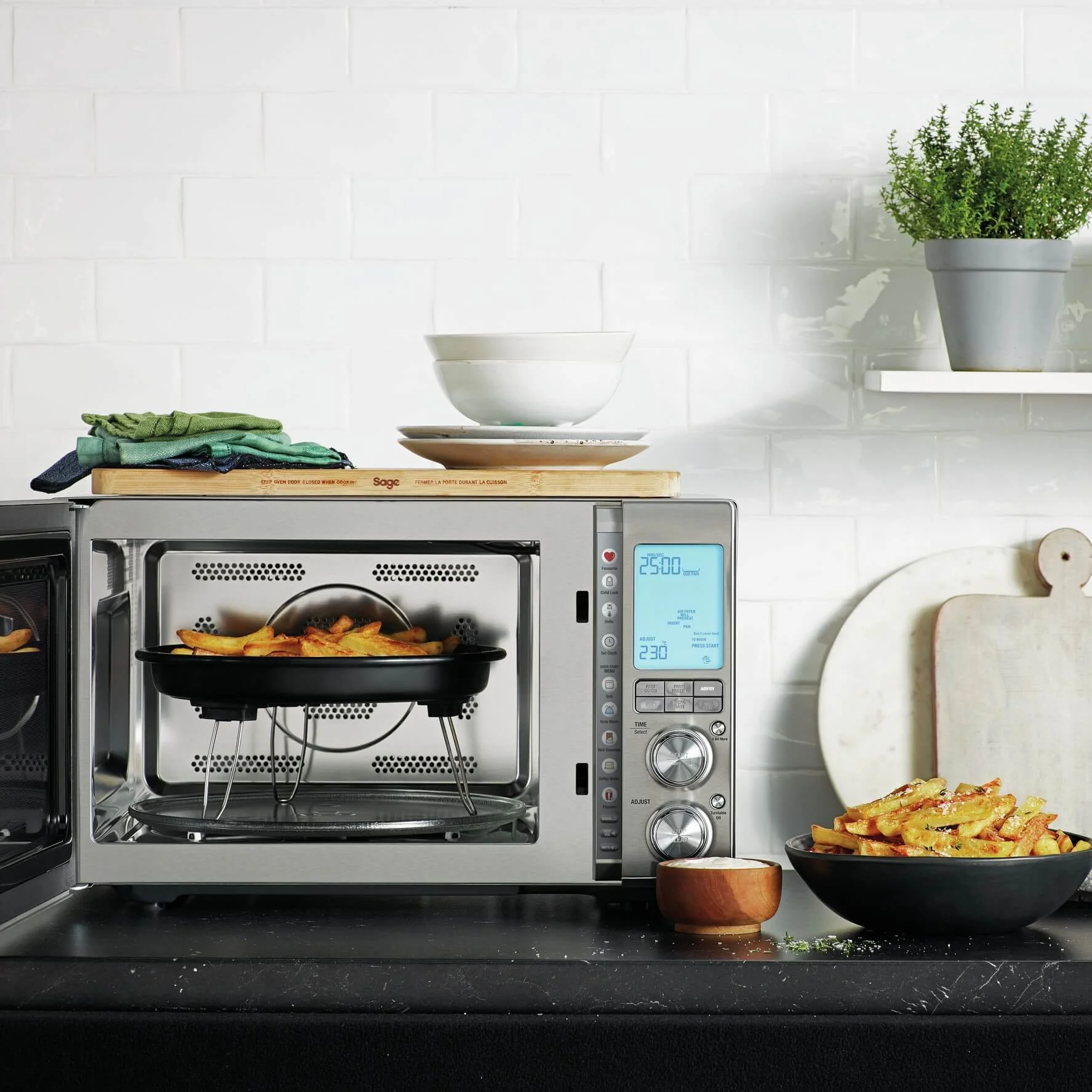
A toaster oven, on the other hand, is more like a mini oven that sits on your countertop. It opens with a front-facing door and often resembles a small convection oven, offering more cooking flexibility but taking up more space in the process.
Cooking capabilities
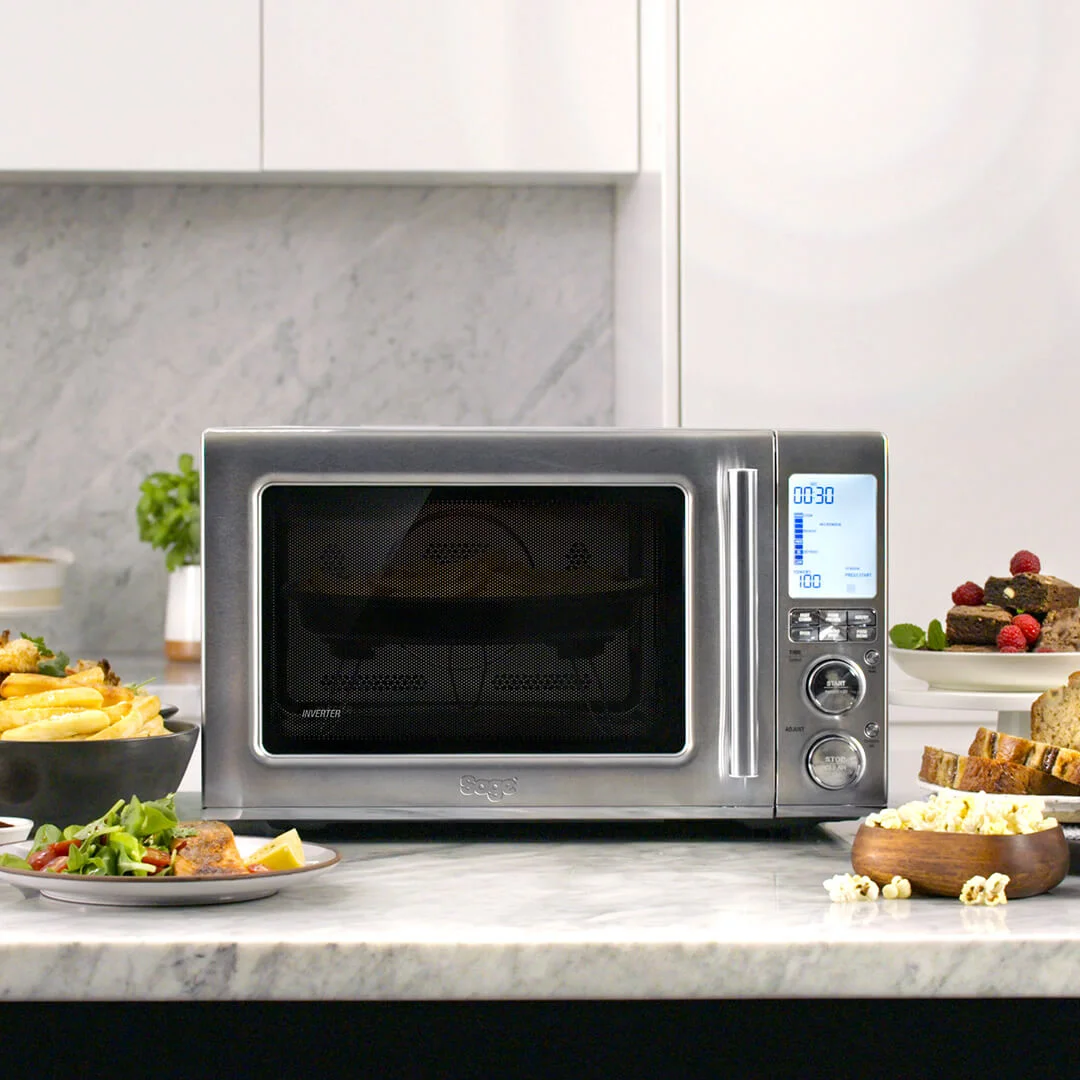
This is where the toaster oven starts to stand out. While a standard toaster is great for toasting bread, bagels, or crumpets, a toaster oven can handle tasks like baking, roasting, broiling, and even air frying, depending on the model. Some countertop ovens also come with specific settings for pizza, cookies, or reheating leftovers, adding to their versatility.
Pros and cons of a pop-up toaster
If you like to keep things simple, a pop-up toaster is hard to beat. But as with any kitchen appliance, it comes with its own pros and cons.
Speed and simplicity
The biggest advantage of a pop-up toaster is its speed and simplicity. It is designed to do one job, and it does it well: toasting bread. Whether it is white, wholemeal, sourdough, or bagels, most toasters offer adjustable settings to help you achieve your preferred level of brown and crispness.
A slice toaster is ideal for busy mornings when you need to get breakfast sorted quickly, without fiddling with controls. Plus, they are relatively compact, making them a must have for smaller kitchens.
Limitations
That said, a pop-up toaster has its limits. You cannot reheat pizza, cook cookies, or roast vegetables in it. And while it can handle slices of bread, you are restricted by the size of the slots, which may not fit larger artisan loaves.
Also, knowing how to clean a toaster is important, as crumbs tend to build up over time, affecting performance and safety.
Pros and cons of a toaster oven
For those who like their appliances to multitask, a toaster oven has plenty to offer. But with that versatility comes a few trade-offs worth considering.
Versatility and extra features
The real strength of a toaster oven lies in its versatility. Many models come with multiple settings, allowing for baking, broiling, roasting, and air frying. This makes it a great option for anyone wanting to do more than just toast.
Some toaster ovens also offer convection technology, meaning they can circulate heat evenly for more efficient cooking, similar to a convection oven. Whether you are crisping up pizza, reheating leftovers, or even cooking small meals, a toaster oven is incredibly useful.
Space and energy use
The trade-off is space and energy use. A toaster oven is larger, takes up more room on your countertop, and uses more energy than a standard toaster. While modern appliance designs are more efficient, if you only make toast, a toaster oven may not be necessary.
Which one should you choose?
When it comes to toaster vs toaster oven, the best choice depends on your habits, available space, and what you need your appliance to do. Here is a quick comparison to help:
Pop-up Toaster
● Size: Compact, ideal for small kitchens
● Functions: Toasts bread, bagels, crumpets
● Speed: Fast, simple operation
● Energy Use: Minimal
● Price: More affordable
● Perfect For: Quick breakfast, everyday toast
Toaster Oven
● Size: Larger, takes more countertop space
● Functions: Toasts, reheats, bakes, broils, air fries
● Speed: Slightly longer but more versatility
● Energy Use: More energy use but more features
● Price: Higher price, more cooking options
● Perfect For: Small meals, snacks, air frying, pizza
Final thoughts on making the best choice
Choosing between a toaster and toaster oven really comes down to your lifestyle and how much cooking you like to do. If space is limited and you only need to toast bread, a reliable toaster is a must have for any home. But for those who want more flexibility and offerings like baking, roasting, and air frying, a toaster oven gives you more in one appliance.
At Sage, we design kitchen appliances that help make these decisions simple, whether you are looking for a straightforward way to toast bread or a versatile option for everyday cooking. With thoughtful features, user-friendly designs, and reliable performance, our range makes it easy to find the best fit for your kitchen routine.
Both have their place in the modern kitchen, and with so many models available, it is easy to find one that suits your needs. Whether you are toasting, reheating, or baking a batch of cookies, these handy appliances help make everyday tasks more convenient and efficient.
Sources:
1. Energy Saving Trust. What appliances use the most electricity? https://energysavingtrust.org.uk/top-five-energy-consuming-home-appliances/